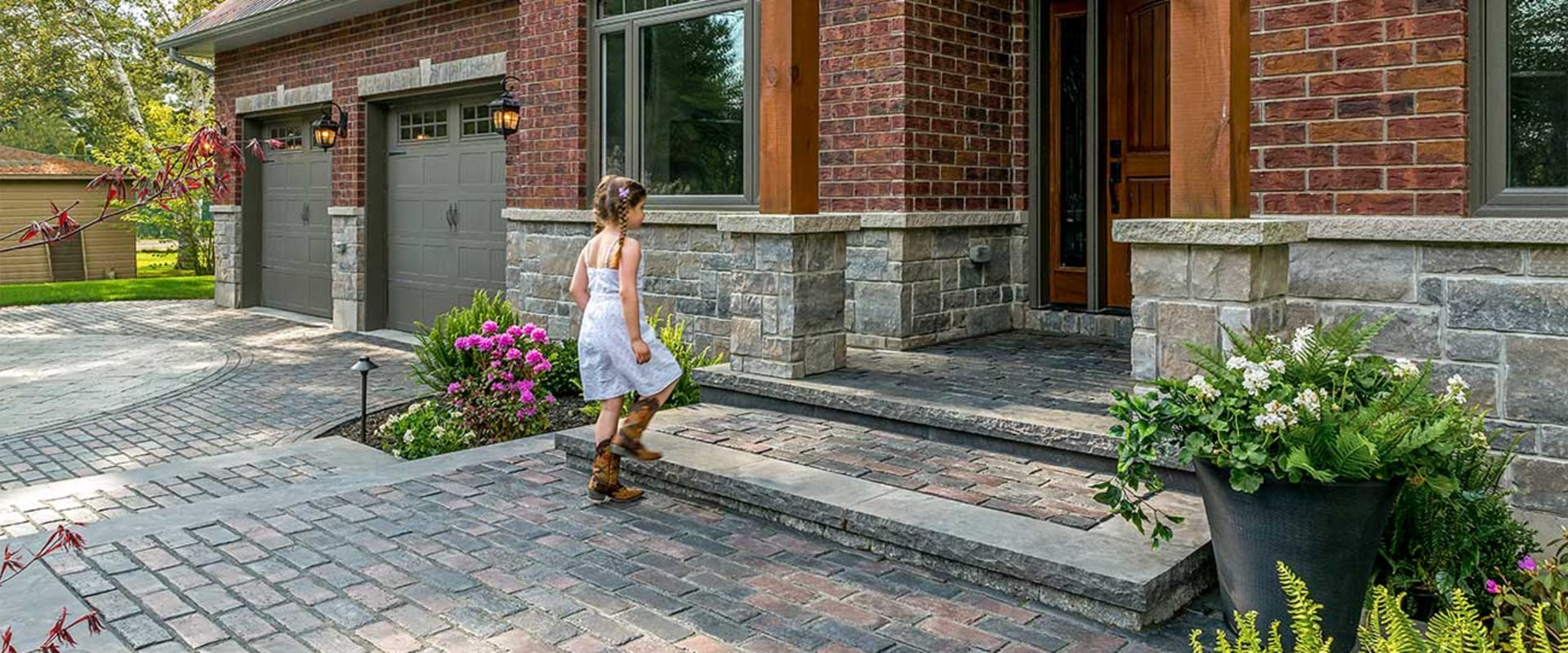
Paver installation is a popular choice for homeowners looking to enhance their outdoor spaces, providing both aesthetic appeal and functional durability. However, the success of any paver project hinges significantly on the base material used during installation. Understanding the intricacies of paver installation is essential for achieving a long-lasting and stable surface that can withstand the test of time and weather. The importance of base material cannot be overstated. A well-prepared base not only supports the weight of the pavers but also helps in preventing shifting, settling, and cracking over time.
When selecting a base material, factors such as drainage, soil type, and the intended use of the paved area must be considered. For instance, areas that experience heavy rainfall may require a more robust drainage system integrated into the base to avoid water pooling and erosion. Moreover, different types of base materials offer varying levels of stability and support. Common options include crushed stone, gravel, and sand, each with its unique properties that can affect the overall performance of your paver installation. By investing time in understanding these materials and their roles in the installation process, you can ensure that your outdoor space remains beautiful and functional for years to come.
The Importance of Base Material in Paver Installation
When it comes to paver installation, the choice of base material is a critical factor that can significantly influence the overall performance and longevity of the paved surface.The base material serves as the foundation upon which the pavers rest, and its quality directly impacts stability, drainage, and durability.
Stability
is one of the primary benefits of using the right base material. A well-compacted base provides a solid support structure that prevents shifting and settling over time. This is particularly important in areas with heavy foot traffic or vehicular loads, where inadequate support can lead to uneven surfaces and costly repairs.Moreover, the base material plays a vital role in drainage. Proper drainage is essential to prevent water accumulation, which can lead to erosion and damage to both the pavers and the underlying soil.Materials such as crushed stone or gravel are often recommended because they allow water to flow through easily, reducing the risk of pooling and ensuring that moisture does not compromise the integrity of the installation.In addition to stability and drainage, using high-quality base materials contributes to the longevity of your paver installation. Over time, poor-quality materials can break down or compact unevenly, leading to cracks and other forms of damage. By investing in a robust base layer, homeowners can extend the lifespan of their pavers and minimize maintenance costs.In summary, selecting the appropriate base material for paver installation is essential for achieving a durable, stable, and well-drained surface. Whether you opt for crushed stone, gravel, or another suitable option, ensuring that your base is properly installed will pay dividends in terms of performance and longevity.
Common Types of Base Materials for Paver Installation
When it comes to paver installation, selecting the right base material is crucial for ensuring durability and stability.Here are some of the most common types of base materials used in paver projects:
- Gravel: One of the most popular choices, gravel provides excellent drainage and support. Typically, a mix of crushed stone and gravel is used, allowing for a solid foundation that can withstand heavy loads. The recommended depth for a gravel base is usually around 4 to 6 inches.
- Sand: Often used in conjunction with other materials, sand serves as a leveling agent for pavers. A layer of sand, about 1 inch thick, is typically spread over the gravel base to create a smooth surface for the pavers to rest on.
However, sand alone is not recommended as a primary base material due to its tendency to shift.
- Crushed Stone: Similar to gravel but with sharper edges, crushed stone interlocks better than rounded gravel. This type of base material provides excellent stability and is often used in areas with heavy traffic. A depth of 4 to 6 inches is also recommended for crushed stone bases.
- Concrete Base: For projects requiring maximum strength and stability, a concrete base may be the best option. This method involves pouring a concrete slab that serves as a solid foundation for the pavers.
While more expensive and labor-intensive, it offers superior durability and can be ideal for driveways or commercial applications.
Gravel as a Base Material
When it comes to paver installation, using a gravel base is one of the most popular choices among homeowners and contractors alike. This preference is largely due to the numerous advantages that gravel offers, making it an ideal foundation for various types of pavers.Advantages of Gravel as a Base Material
- Drainage: Gravel provides excellent drainage capabilities, allowing water to flow through and preventing pooling. This is crucial for maintaining the integrity of your paver installation over time.
- Stability: A well-compacted gravel base creates a stable foundation that can support the weight of pavers and withstand heavy foot traffic or vehicular loads.
- Flexibility: Gravel can easily be adjusted or replaced if necessary, making it a flexible option for future modifications or repairs.
- Cost-Effectiveness: Compared to other base materials like concrete or asphalt, gravel is often more affordable, making it a budget-friendly choice for many projects.
Gravel Installation Tips
- Select the Right Size: Use crushed stone or gravel that is 3/4 inch in size for optimal support.
This size allows for proper compaction while providing adequate drainage.
- Layering: Install the gravel in layers, compacting each layer thoroughly before adding the next. This ensures maximum stability and prevents settling over time.
- Slope for Drainage: Ensure that your gravel base has a slight slope away from structures to facilitate proper drainage and avoid water accumulation.
- Edge Restraints: Consider installing edge restraints around the perimeter of your paver area to keep the gravel in place and prevent shifting.
Sand as a Base Material
When considering paver installation, one of the most effective base materials is sand. Utilizing sand as a base offers several advantages that can enhance the durability and stability of your paver project.Benefits of Sand as a Base Material
- Flexibility: Sand can easily conform to the shape of the pavers, allowing for a snug fit that minimizes shifting over time.
- Drainage: Sand promotes excellent drainage, preventing water accumulation that can lead to erosion or shifting of the pavers.
- Cost-Effectiveness: Compared to other base materials like gravel or concrete, sand is often more affordable and readily available.
- Ease of Installation: Sand is lightweight and easy to work with, making it simpler for DIY enthusiasts to achieve a level surface.
Sand Installation Techniques
To ensure optimal results when using sand for your paver installation, follow these essential techniques:
- Preparation: Begin by excavating the area where the pavers will be laid.
Remove any vegetation, rocks, or debris to create a clean workspace.
- Layering: Spread a layer of coarse sand (about 1-2 inches thick) evenly across the excavated area. This layer will serve as the foundation for your pavers.
- Leveling: Use a screed board to level the sand, ensuring a smooth and even surface. This step is crucial for preventing uneven settling of the pavers.
- Compaction: Compact the sand using a plate compactor to create a solid base. This will help reduce future shifting and settling.
- Paver Placement: Lay your pavers on top of the compacted sand, ensuring they are tightly fitted together.
Use a rubber mallet to tap them into place if necessary.
Crushed Stone as a Base Material
When considering paver installation, one of the most effective base materials is crushed stone. This material is favored for its durability and ability to provide excellent drainage, which are crucial factors in ensuring the longevity of your paver project.Crushed stone
consists of angular stones that interlock when compacted, creating a stable foundation. This interlocking nature helps to distribute weight evenly, reducing the risk of settling or shifting over time. Additionally, the voids between the stones allow for water drainage, preventing pooling and erosion.Advantages of Crushed Stone
- Drainage: The porous structure of crushed stone facilitates effective water drainage, minimizing the risk of water damage to your pavers.
- Stability: Its angular shape provides superior stability compared to rounded aggregates, making it less likely to shift under pressure.
- Cost-Effective: Crushed stone is often more affordable than other base materials, making it a budget-friendly option for paver installation.
- Versatility: It can be used in various applications beyond pavers, such as driveways and walkways, enhancing its utility.
Installation Methods
To achieve optimal results with a crushed stone base, follow these steps:- Excavate the Area: Remove any existing grass, soil, or debris to create a level surface for your base.
- Add Crushed Stone: Pour a layer of crushed stone into the excavated area.
A depth of 4 to 6 inches is typically recommended for most paver installations.
- Compact the Stone: Use a plate compactor to compress the crushed stone thoroughly. This step is crucial for creating a solid foundation.
- Add Additional Layers: If necessary, add more layers of crushed stone and repeat the compaction process until you reach the desired height.
- Level the Surface: Ensure that the surface is level and smooth before laying your pavers.
Concrete as a Base Material
When considering paver installation, one of the most effective base materials is concrete. Utilizing a concrete base offers numerous advantages that can enhance the durability and stability of your paver project.Benefits of Using Concrete as a Base Material
- Stability: A concrete base provides a solid foundation that minimizes shifting and settling over time, ensuring that your pavers remain level and intact.
- Drainage: Properly installed concrete bases can facilitate effective drainage, preventing water accumulation that could damage both the pavers and the underlying soil.
- Longevity: Concrete is known for its durability, which means that a concrete base can extend the lifespan of your paver installation significantly.
- Ease of Installation: Once the concrete is set, laying pavers becomes a straightforward process, allowing for quicker project completion.
The Concrete Installation Process
- Site Preparation: Begin by clearing the area where the pavers will be installed.
Remove any grass, debris, or existing materials to create a clean workspace.
- Excavation: Dig down to the required depth, typically around 4 to 6 inches, depending on the type of pavers and expected load.
- Formwork: Set up forms using wood or metal to outline the area where the concrete will be poured. Ensure they are level and secure.
- Pouring Concrete: Mix and pour the concrete into the forms, spreading it evenly. Use a trowel to smooth out the surface and ensure it is level.
- Curing: Allow the concrete to cure properly for at least 24 to 48 hours before proceeding with paver installation. This step is crucial for achieving maximum strength.
By following proper installation techniques, you can ensure a successful and durable paver project that stands the test of time.
Factors to Consider When Choosing Base Material
When it comes to paver installation, selecting the right base material is crucial for ensuring durability and stability. Several factors should be taken into account to make an informed decision.Soil Type Considerations
The type of soil in your area plays a significant role in determining the best base material. For instance, clay soils tend to retain water, which can lead to shifting and settling of pavers. In such cases, a well-draining base material like crushed stone or gravel is recommended to facilitate proper drainage and prevent moisture accumulation.Conversely, sandy soils drain well but may require additional stabilization to support the weight of the pavers.
Climate Impact on Materials
Your local climate also influences the choice of base material. In regions with heavy rainfall or freeze-thaw cycles, it’s essential to select materials that can withstand these conditions without degrading. For example, using a compacted gravel base can help mitigate issues related to water pooling and frost heave. On the other hand, in arid climates, a more stable base like concrete sand may be suitable as it provides a solid foundation while allowing for some flexibility.Additional Factors
- Load-Bearing Capacity: Consider the weight of vehicles or foot traffic that will be on the pavers.
A stronger base material may be necessary for high-traffic areas.
- Cost: Evaluate your budget as some materials may be more expensive than others. However, investing in quality base material can save you money in repairs down the line.
- Installation Ease: Some materials are easier to work with than others. If you plan on a DIY project, consider how manageable the material will be during installation.
FAQs About Paver Installation and Base Materials
When it comes to paver installation, many homeowners and contractors have questions about the best base materials to use. Here are some frequently asked questions that can help clarify your understanding:What is the best base material for paver installation?
The ideal base material for paver installation typically includes a combination of crushed stone or gravel, sand, and sometimes a geotextile fabric.Crushed stone provides excellent drainage and stability, while sand helps to level the surface and fill gaps between pavers.
How deep should the base be for pavers?
The depth of the base depends on the type of pavers and the intended use of the surface. Generally, a depth of 4 to 6 inches of compacted gravel or crushed stone is recommended for pedestrian areas, while driveways may require up to 8 inches.Can I use dirt as a base for paver installation?
Using dirt as a base is not advisable for paver installation. Dirt can shift and settle over time, leading to uneven surfaces and potential damage to the pavers. A solid base made of gravel or crushed stone is essential for long-lasting results.What are common issues with paver installations?
- Uneven surfaces: This can occur if the base material is not properly compacted or if there are variations in the base depth.
- Weed growth: Weeds can emerge between pavers if sand or polymeric sand is not used effectively.
- Paver shifting: This often happens due to inadequate drainage or poor base preparation.
Always consult with professionals if you're unsure about the best practices for your specific project.
Conclusion: Making the Right Choice for Your Paver Installation Project
In conclusion, selecting the right base material for your paver installation is crucial for ensuring the longevity and stability of your paved surfaces. Throughout this article, we have explored various options, including crushed stone, gravel, and sand, each offering unique benefits and considerations. When deciding on the best base material, it is essential to consider factors such as:- Soil Type: The existing soil conditions can significantly influence the choice of base material. For instance, clay soils may require a more robust base to prevent shifting.
- Drainage Needs: Proper drainage is vital to avoid water pooling and damage. Materials like crushed stone provide excellent drainage capabilities.
- Paver Type: Different paver materials may necessitate specific base types to ensure optimal performance and aesthetics.
A well-prepared base not only enhances the appearance of your paved area but also minimizes maintenance issues and extends the lifespan of your installation. Remember, a solid foundation is key to a successful paver installation.As you embark on your project, take into account the specific requirements of your site and consult with professionals if needed. Making an informed choice will lead to a durable and visually appealing paved surface that meets your needs for years to come.