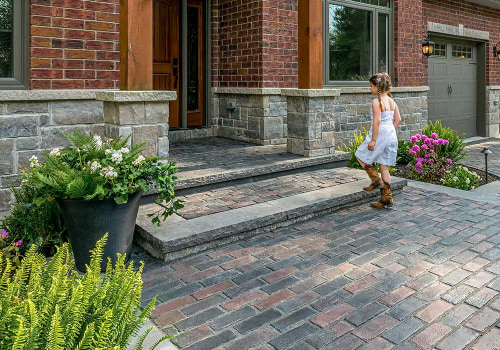
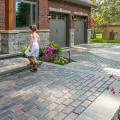
Paver installation is a popular choice for homeowners looking to enhance their outdoor spaces. Whether it’s for a driveway, patio, or walkway, pavers offer a versatile and aesthetically pleasing solution. There are various types of pavers available, including concrete, brick, and natural stone, each bringing its unique charm and functionality. Concrete pavers are known for their durability and cost-effectiveness, while brick pavers add a classic touch to any landscape.
Natural stone pavers, on the other hand, provide a luxurious feel and are often chosen for high-end projects. The benefits of using pavers extend beyond their visual appeal. They are designed to withstand heavy loads and resist cracking, making them ideal for high-traffic areas. Additionally, pavers allow for efficient water drainage, reducing the risk of flooding and erosion in your yard. This permeability is particularly beneficial in regions with heavy rainfall.
Furthermore, the installation process is relatively straightforward compared to traditional concrete slabs, allowing for quicker project completion. Understanding the intricacies of paver installation is essential not only for achieving a beautiful outdoor space but also for ensuring its longevity. Proper maintenance, including regular cleaning and resealing, plays a crucial role in preserving the integrity of your pavers. By familiarizing yourself with the types of pavers available and their respective benefits, you can make informed decisions that will enhance your property’s value and curb appeal.
Why Resealing Pavers is Important
Resealing pavers is a crucial aspect of paver maintenance that should not be overlooked. Over time, pavers are exposed to various weather elements, including rain, snow, and UV rays, which can lead to deterioration.Resealing acts as a protective barrier, helping to shield the surface from these damaging factors.One of the primary reasons for resealing pavers is to prevent stains from oil, grease, and other substances that can mar their appearance. Without a proper seal, these stains can penetrate the surface, making them difficult to remove and potentially leading to permanent discoloration.Additionally, resealing helps to maintain the structural integrity of the pavers. When water seeps into the joints and beneath the surface, it can cause shifting and settling over time. This not only affects the aesthetic appeal but can also lead to costly repairs.
By regularly resealing your pavers, you can minimize these risks and extend their lifespan.
Benefits of Resealing Pavers:
- Enhanced Durability: A good sealant provides a protective layer that enhances the durability of your pavers against wear and tear.
- Improved Appearance: Resealing restores the original color and shine of your pavers, making them look new again.
- Mold and Mildew Prevention: Sealants can help prevent mold and mildew growth, which can be both unsightly and hazardous.
- Easier Cleaning: Sealed surfaces are easier to clean as dirt and debris are less likely to adhere.
How Often Should You Reseal Pavers?
When it comes to paver installation, understanding how often to reseal your pavers is crucial for maintaining their appearance and longevity. The frequency of resealing can vary based on several factors, including climate, usage, and the type of sealant applied.General Resealing Frequency As a general guideline, it is recommended to reseal pavers every 1 to 3 years.However, this can change based on specific conditions:
- Climate: In areas with harsh weather conditions, such as extreme heat or heavy rainfall, pavers may require more frequent resealing. For instance, if you live in a region with high UV exposure, consider resealing annually to protect against fading.
- Usage: High-traffic areas, such as driveways or patios that see frequent gatherings, may wear down the sealant faster. In these cases, inspecting your pavers annually and resealing as needed is advisable.
- Type of Sealant: Different sealants have varying lifespans. A high-quality penetrating sealant may last longer than a topical sealant.
Always refer to the manufacturer's recommendations for specific guidance.
- If you notice fading colors, it’s a clear indication that the protective layer has worn off.
- The presence of stains, especially from oil or food spills, suggests that the sealant is no longer effective.
- If water no longer beads on the surface and instead soaks into the pavers, it’s time to reseal.
Factors Influencing Resealing Frequency
When considering how often to reseal pavers, several key factors come into play that can significantly influence the frequency of this maintenance task. Understanding these factors can help homeowners make informed decisions about their paver installation and upkeep.Climate Impact on Pavers
The climate in which your pavers are located plays a crucial role in determining how often they need to be resealed. In areas with extreme weather conditions, such as heavy rainfall, intense sunlight, or freezing temperatures, pavers may deteriorate more quickly. For instance:- Hot and sunny climates can cause sealants to break down faster due to UV exposure.
- Cold climates may lead to freeze-thaw cycles that can crack the surface, necessitating more frequent resealing.
- Humid environments can promote mold and mildew growth, which may require additional sealing to protect the pavers.
Usage Patterns
The amount of traffic your pavers experience is another significant factor.High-traffic areas, such as driveways or patios that see frequent use, will wear down sealants more quickly than less-used spaces. Consider the following:
- If your pavers are subjected to heavy vehicles or foot traffic, you may need to reseal them every 1-2 years.
- For residential areas with moderate use, resealing every 3-5 years may suffice.
- Low-traffic areas might only require resealing every 5-7 years.
Best Practices for Resealing Pavers
Resealing pavers is an essential maintenance task that helps protect your investment and prolong the life of your outdoor surfaces.To ensure a successful resealing process, consider the following best practices:
Resealing Techniques
Before applying a sealant, it’s crucial to prepare the surface properly. Start by cleaning the pavers thoroughly to remove dirt, debris, and any existing sealant. A pressure washer can be effective for this task, but be cautious not to damage the pavers. After cleaning, allow the surface to dry completely, as applying sealant on wet pavers can lead to poor adhesion. When applying the sealant, use a high-quality roller or sprayer for even coverage.Work in small sections to ensure that the sealant does not dry before you have a chance to spread it evenly. Always follow the manufacturer’s instructions regarding application rates and drying times.
Best Sealants for Pavers
Choosing the right sealant is critical for achieving optimal results. Look for products specifically designed for paver installation, as they offer better protection against UV rays, water damage, and stains. Some of the best sealants include:- Acrylic Sealants: These are easy to apply and provide a glossy finish, enhancing the color of your pavers.
- Polyurethane Sealants: Known for their durability, these sealants offer excellent resistance to chemicals and abrasion.
- Silicone Sealants: Ideal for areas with high moisture exposure, silicone sealants create a waterproof barrier.
DIY Resealing Tips
If you’re considering a DIY approach to resealing your pavers, here are some helpful tips:- Timing: Choose a day with mild temperatures and low humidity for application.
- Test First: Always test the sealant on a small area before full application to ensure compatibility with your pavers.
- Regular Maintenance: Schedule resealing every 1-3 years depending on wear and environmental factors.
Common Mistakes to Avoid When Resealing Pavers
When it comes to resealing pavers, homeowners often make several common mistakes that can compromise the integrity and appearance of their paver installation.Understanding these pitfalls is essential for maintaining the longevity of your outdoor surfaces.
- Skipping Surface Preparation: One of the most critical steps before resealing is proper surface preparation. Failing to clean the pavers thoroughly can lead to poor adhesion of the sealant. Always ensure that the surface is free from dirt, debris, and previous sealant residues.
- Choosing the Wrong Sealant: Not all sealants are created equal. Using a sealant that is not compatible with your specific type of pavers can result in discoloration or peeling.
Always consult with a professional or refer to manufacturer guidelines to select the appropriate product.
- Applying in Poor Weather Conditions: Resealing pavers during rain or extreme heat can adversely affect the curing process. Ideally, choose a day with mild temperatures and low humidity for optimal results.
- Over-Application of Sealant: Applying too much sealant can create a thick layer that may not cure properly, leading to bubbling or flaking. Follow the manufacturer's instructions regarding application thickness and coverage.
- Neglecting Regular Maintenance: After resealing, many homeowners forget about regular maintenance. It’s important to periodically clean and inspect your pavers to prevent issues from arising in the future.
By taking the time to properly prepare and apply sealant, you can ensure that your paver installation remains beautiful and functional for years to come.
FAQs About Resealing Pavers
When it comes to resealing pavers, homeowners often have several questions. Here are some of the most frequently asked questions regarding this important aspect of paver maintenance.1.How often should I reseal my pavers?
The frequency of resealing your pavers largely depends on the type of sealant used and the environmental conditions in your area. Generally, it is recommended to reseal pavers every 1 to 3 years. If you live in an area with harsh weather conditions or heavy foot traffic, you may need to reseal more frequently.2.What are the signs that my pavers need resealing?
- Fading color: If the color of your pavers appears dull or faded, it may be time for a reseal.
- Stains: Persistent stains that do not come out with cleaning can indicate that the sealant has worn off.
- Weed growth: If you notice weeds or grass growing between the pavers, it may suggest that the sealant is no longer effective.
3.Can I reseal my pavers myself?
Yes, many homeowners choose to reseal their pavers as a DIY project.However, it is essential to follow the manufacturer's instructions carefully and ensure that the surface is clean and dry before applying the sealant. If you're unsure or if your pavers are particularly large or intricate, hiring a professional may be a better option.
4.What type of sealant should I use?
The type of sealant you choose will depend on your specific needs. There are two main types: film-forming sealants, which create a protective layer on top of the pavers, and penetrating sealants, which soak into the surface for deeper protection. Consider factors such as durability, appearance, and ease of application when selecting a sealant.5.Will resealing my pavers change their appearance?
Resealing can enhance the color and finish of your pavers, making them look more vibrant and new.However, some sealants may give a glossy finish while others maintain a natural look. Be sure to choose a product that aligns with your desired aesthetic.By addressing these common concerns about resealing pavers, homeowners can make informed decisions that will help maintain their outdoor spaces effectively.
Conclusion: Maintaining Your Paver Investment
In conclusion, maintaining your paver investment is crucial for ensuring the longevity and aesthetic appeal of your outdoor spaces. Regular maintenance, including resealing, plays a significant role in protecting your pavers from the elements and everyday wear and tear. As discussed, the frequency of resealing depends on several factors, including the type of pavers, the climate in your area, and the amount of foot traffic they endure. Generally, it is advisable to reseal pavers every 1 to 3 years.This proactive approach not only enhances the appearance of your pavers but also helps prevent issues such as staining, fading, and weed growth. To maintain your paver installation effectively, consider the following key points:
- Regular Cleaning: Keep your pavers clean by sweeping away debris and washing them with a mild detergent to prevent dirt buildup.
- Inspect for Damage: Periodically check for cracks or shifting pavers. Addressing these issues early can prevent more extensive repairs later.
- Choose Quality Sealers: When it’s time to reseal, opt for high-quality sealers that are appropriate for your specific type of pavers.
- Follow Manufacturer Guidelines: Always adhere to the recommendations provided by the manufacturer regarding maintenance and resealing.