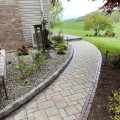
Paver installation is a popular choice for enhancing outdoor spaces, providing both functionality and aesthetic appeal. Whether you're considering a new patio, driveway, or walkway, understanding the recommended thickness for pavers is crucial for ensuring durability and longevity. The thickness of pavers can significantly impact their performance under various conditions, making it essential to choose wisely based on your specific needs. When selecting pavers, it's important to consider not only their thickness but also the material and design. Different applications may require different thicknesses; for instance, driveways typically demand thicker pavers to withstand the weight of vehicles, while patios may allow for thinner options.
This decision can affect not just the structural integrity but also the overall look of your outdoor area. In this article, we will delve deeper into the factors influencing paver thickness, including load-bearing requirements and environmental considerations. By understanding these elements, you can make informed choices that enhance both the beauty and functionality of your outdoor spaces. Join us as we explore the intricacies of paver installation and guide you through selecting the perfect pavers for your project.
Factors Influencing Paver Thickness
When considering paver installation, several key factors influence the recommended thickness of pavers. Understanding these factors is crucial for ensuring durability and performance in various applications.Load-Bearing Requirements
The primary consideration for paver thickness is the load-bearing capacity required for the specific area.For instance, driveways that support heavy vehicles necessitate thicker pavers, typically ranging from 2.5 to 3 inches. In contrast, walkways and patios may only require pavers that are 1.5 to 2 inches thick. Assessing the expected load is essential to prevent cracking and ensure longevity.
Climate Conditions
Climate plays a significant role in determining the appropriate thickness of pavers. In regions with extreme temperature fluctuations, thicker pavers can better withstand freeze-thaw cycles, reducing the risk of damage.Additionally, areas prone to heavy rainfall may benefit from thicker pavers that provide enhanced drainage capabilities.
Intended Use
The intended use of the paved area also affects thickness recommendations. For example:- Residential Patios: Generally require thinner pavers (1.5 to 2 inches) as they bear lighter loads.
- Commercial Areas: Such as parking lots or high-traffic walkways, should utilize thicker pavers (2.5 to 3 inches) to accommodate increased foot and vehicle traffic.
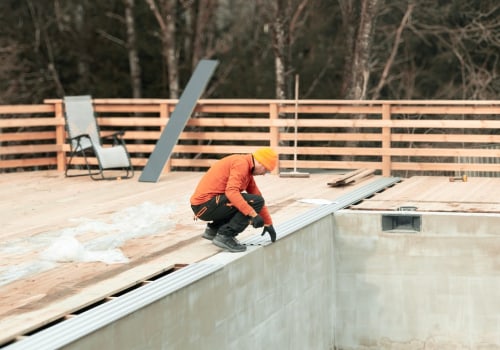
- Pool Decks: Often benefit from thicker pavers (at least 2 inches) to ensure safety and durability against water exposure.
Standard Thickness Recommendations for Different Applications
When it comes to paver installation, selecting the appropriate thickness is crucial for ensuring durability and functionality. The standard thickness of pavers can vary significantly based on the intended application, whether it be for residential or commercial use.Residential Pavers
For most residential applications, such as patios and walkways, a thickness of 2 to 3 inches is generally recommended. This thickness provides sufficient strength to withstand foot traffic and light vehicles. However, if you are considering a driveway that will support heavier loads, opting for a thicker paver is essential.Driveway Paver Thickness
Driveways require more robust materials due to the weight of vehicles.For this application, a thickness of 3 to 4 inches is advisable. This ensures that the pavers can handle the stress and prevent cracking or shifting over time. Additionally, proper base preparation is critical when installing thicker pavers to maintain stability.
Commercial Pavers
In commercial settings, where pavers may be subjected to heavier loads and more frequent use, a thickness of 4 inches or more is often recommended.This added thickness helps accommodate the demands of commercial traffic while ensuring longevity and reducing maintenance costs. Ultimately, the choice of paver thickness should align with the specific needs of your project. Always consider factors such as expected load, traffic frequency, and environmental conditions when making your selection. Consulting with a professional installer can also provide valuable insights tailored to your unique situation.
Comparing Paver Materials and Their Thickness Options
When considering paver installation, the choice of material significantly influences both the aesthetic appeal and the functional performance of your outdoor space.Each type of paver—concrete, brick, and stone—offers unique characteristics and thickness options that cater to different needs.
Concrete Pavers
Concrete pavers are among the most popular choices due to their versatility and cost-effectiveness. Typically, concrete pavers come in thicknesses ranging from 2 to 3 inches. The thicker options are ideal for driveways and areas with heavy traffic, while thinner pavers can be used for patios and walkways. Their uniformity in size and shape allows for easy installation and a clean finish.Brick Pavers
Brick pavers, known for their classic look, usually have a thickness of about 2.25 inches.This thickness provides sufficient strength for pedestrian traffic and light vehicles. However, it’s essential to ensure proper base preparation during paver installation to prevent shifting or settling over time. The natural clay color variations in brick also add a unique charm to any landscape.
Stone Pavers
Stone pavers, which include options like granite, limestone, and slate, vary widely in thickness, typically ranging from 1.5 to 3 inches. Thicker stone pavers are suitable for high-traffic areas and can withstand harsh weather conditions.Their natural textures and colors provide a luxurious appearance but may require more effort during installation due to their weight and irregular shapes.In summary, the choice of paver material not only affects the overall look of your project but also dictates the appropriate thickness needed for successful paver installation. Understanding these differences can help you make an informed decision that aligns with your design goals and functional requirements.
Installation Techniques Impacting Paver Thickness
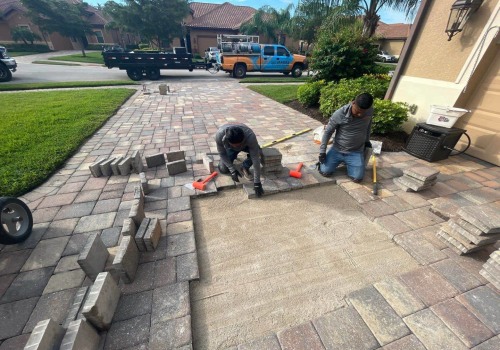
When it comes to paver installation, the thickness of the pavers is significantly influenced by the installation techniques employed. Understanding these techniques is essential for ensuring a durable and aesthetically pleasing surface.Base Preparation for Pavers
- Excavation: Proper excavation is the first step in base preparation. The depth of the excavation will depend on the type of pavers being used and the expected load.
For residential driveways, a depth of 6 to 8 inches is typically recommended.
- Sub-base Material: A well-compacted sub-base, often made of crushed stone or gravel, is crucial. This layer should be at least 4 to 6 inches thick to provide adequate support and drainage.
- Sand Layer: A layer of sand, usually about 1 inch thick, is spread over the compacted sub-base. This layer allows for leveling and helps in setting the pavers correctly.
Laying Pavers Correctly
- Thickness of Pavers: Standard paver thickness ranges from 2 to 3 inches. However, for heavy-duty applications like commercial driveways or areas with heavy traffic, thicker pavers (up to 4 inches) may be necessary.
- Jointing Material: The choice of jointing material can also affect the overall thickness required.
Using polymeric sand can help lock pavers in place and reduce movement over time.
- Compaction: After laying the pavers, it's essential to compact them using a plate compactor. This process ensures that the pavers are set firmly into the sand layer, which can slightly compress the thickness but enhances stability.
Common Mistakes in Paver Thickness Selection
When it comes to paver installation, selecting the correct thickness is crucial for ensuring durability and longevity. However, many homeowners and contractors make common mistakes that can lead to costly errors down the line.- Underestimating Load Requirements: One of the most frequent mistakes is not considering the load that the pavers will need to support.
For instance, if pavers are installed in a driveway that will bear the weight of vehicles, a thickness of at least 2.5 to 3 inches is recommended. Failing to account for this can result in cracking and shifting.
- Ignoring Soil Conditions: The type of soil beneath the pavers plays a significant role in determining the appropriate thickness. Soft or unstable soils may require thicker pavers or additional base material to prevent settling. Neglecting this factor can lead to uneven surfaces and premature wear.
- Choosing Aesthetic Over Functionality: While it’s tempting to select thinner pavers for aesthetic reasons, this can compromise the integrity of the installation.
Thinner pavers may be suitable for walkways but are inadequate for high-traffic areas. Always prioritize functionality over appearance.
- Not Consulting Manufacturer Guidelines: Each paver manufacturer provides specific recommendations regarding thickness based on their product's design and intended use. Ignoring these guidelines can lead to installation issues and void warranties.
FAQs About Paver Thickness and Installation
When considering paver installation, many homeowners have questions about the appropriate thickness of pavers.Here are some common queries and their answers:
- What is the standard thickness for pavers?The standard thickness for most concrete pavers is typically between 2 to 3 inches. However, for heavy-duty applications such as driveways, a thickness of 3 to 4 inches is recommended to ensure durability and support.
- Does the thickness of pavers affect their strength?Yes, the thickness directly impacts the strength and load-bearing capacity of the pavers. Thicker pavers can withstand more weight and are less likely to crack under pressure.
- Are there different thicknesses for different applications?Absolutely! For patios and walkways, thinner pavers (around 2 inches) are often sufficient. In contrast, driveways require thicker pavers (3 inches or more) to handle vehicle traffic.
- How does the base material affect paver thickness?The type of base material used can influence the required thickness of the pavers.
A well-compacted gravel base may allow for thinner pavers, while a less stable base may necessitate thicker options to prevent settling.
- Can I use thinner pavers in high-traffic areas?It is not advisable to use thinner pavers in high-traffic areas like driveways. Thinner pavers may not provide adequate support and could lead to cracking or shifting over time.
Conclusion: Choosing the Right Paver Thickness for Your Project
In conclusion, selecting the right paver thickness is crucial for ensuring a successful paver installation. The thickness of pavers can significantly impact their durability, load-bearing capacity, and overall aesthetic appeal.As discussed, the recommended thickness varies based on the intended use of the paved area. For residential applications such as patios and walkways, pavers that are 2 to 3 inches thick are generally sufficient. However, for driveways or areas that will support heavier loads, opting for pavers that are at least 3 to 4 inches thick is advisable. This added thickness provides enhanced strength and resistance to cracking under pressure. Additionally, it’s important to consider the base material and installation method. A well-prepared base can compensate for thinner pavers in some cases, but it’s always best to adhere to the recommended thickness guidelines for your specific project. Ultimately, choosing the appropriate paver thickness not only contributes to the longevity of your installation but also ensures safety and functionality.
By taking into account factors such as traffic load, climate conditions, and aesthetic preferences, you can make an informed decision that aligns with your project goals. Remember, investing time in selecting the right paver thickness will pay off in the long run, providing you with a beautiful and durable surface that enhances your outdoor space.