Paver installation is a popular choice for homeowners looking to enhance their outdoor spaces, providing both functionality and aesthetic appeal. Whether you are creating a patio, walkway, or driveway, understanding the nuances of paver spacing is crucial for achieving a durable and visually pleasing result. Proper spacing not only contributes to the structural integrity of the installation but also allows for necessary expansion and contraction due to temperature changes. When planning your paver project, it’s essential to consider the recommended spacing between each paver. This spacing can vary based on the type of pavers used and the specific application.
For instance, a common guideline suggests maintaining a gap of about 1/8 to 1/4 inch between pavers. This small allowance helps prevent cracking and shifting while also accommodating joint sand that can enhance stability and drainage. Moreover, the benefits of pavers extend beyond mere aesthetics; they offer versatility in design and can be customized to fit any landscape. By understanding the importance of proper paver installation techniques, including optimal spacing, you can ensure that your outdoor surfaces not only look great but also stand the test of time. As we delve deeper into this topic, we will explore various factors influencing paver spacing and provide practical tips for achieving the best results in your installation project.
Why Spacing Matters in Paver Installation
When it comes to paver installation, the spacing between pavers is a critical factor that can significantly influence the overall success of your project.Proper spacing not only enhances the aesthetic appeal of your paved area but also plays a vital role in functionality.
Importance of Paver Spacing
Correct spacing allows for adequate drainage, which is essential in preventing water accumulation that can lead to erosion or damage over time. When pavers are too close together, water cannot flow freely, increasing the risk of pooling and potential structural issues. Conversely, if the gaps are too wide, it can create an uneven surface that may be hazardous for walking or driving.
Effects of Improper Spacing
- Drainage Issues: Insufficient spacing can trap water, leading to mold growth and surface degradation.
- Stability Problems: Pavers that are not spaced correctly may shift or settle unevenly, compromising the integrity of the installation.
- Aesthetic Concerns: Uneven gaps can detract from the visual appeal, making the area look unprofessional and poorly constructed.
Paver Installation Tips
- For most paver installations, a spacing of 1/8 to 1/4 inch is recommended to ensure proper drainage while maintaining stability.
- Use spacers during installation to maintain consistent gaps between pavers.
- Consider the type of paver and its intended use; heavier traffic areas may require tighter spacing for added support.
Recommended Spacing Between Pavers
When it comes to paver installation, the spacing between pavers is crucial for both aesthetic appeal and functional performance.The recommended spacing can vary based on several factors, including the type of paver material, the intended use of the surface, and local climate conditions.
Standard Paver Gaps
- For most residential applications, such as patios and walkways, a gap of 1/8 inch to 1/4 inch is typically recommended. This spacing allows for adequate drainage while minimizing weed growth.
- In high-traffic areas, such as driveways, a slightly larger gap of 1/4 inch to 1/2 inch may be advisable. This helps accommodate the expansion and contraction of materials due to temperature changes.
- If you are using permeable pavers designed for water drainage, the spacing can be increased to 1/2 inch or more. This allows for better water infiltration and reduces runoff.
Paver Joint Width Considerations
The width of the joints between pavers also depends on the type of jointing material used:
- Sand joints: For traditional sand-set pavers, a gap of 1/8 inch to 1/4 inch is ideal.
The sand fills the gaps and helps lock the pavers in place.
- Gravel joints: If using gravel for jointing, wider gaps of 1/4 inch to 1/2 inch are often necessary to accommodate the larger aggregate.
- Polymeric sand: This type of sand can be used in narrower joints (as small as 1/8 inch) but requires proper installation to ensure it hardens effectively.
Factors Influencing Paver Spacing
When considering paver installation, several key factors can significantly influence the recommended spacing between pavers. Understanding these factors is essential for achieving both functionality and aesthetic appeal in your outdoor spaces.Climate Impact on Pavers
The climate in your area plays a crucial role in determining the appropriate spacing for pavers. In regions with extreme temperature fluctuations, such as areas that experience freezing and thawing cycles, it is advisable to allow for greater spacing.This extra room helps accommodate the natural expansion and contraction of materials, reducing the risk of cracking or shifting. Conversely, in more stable climates, tighter spacing may be feasible without compromising the integrity of the installation.
Load Considerations
Another significant factor is the load that the pavers will bear. For high-traffic areas or locations where heavy vehicles will be parked, such as driveways, wider spacing may be necessary to ensure proper drainage and prevent settling. In these cases, a spacing of 1/8 to 1/4 inch is often recommended to allow for adequate support while maintaining stability.On the other hand, for pedestrian walkways or patios, closer spacing can enhance visual appeal without sacrificing durability.
Aesthetic Preferences
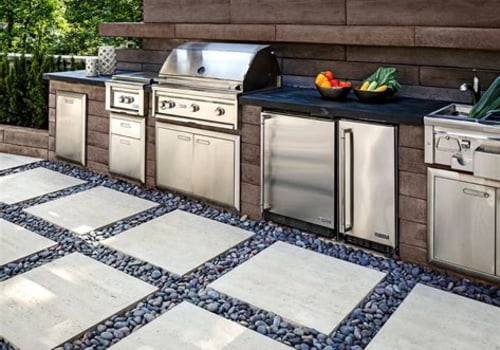
Aesthetic considerations also play a vital role in determining paver spacing. Homeowners may prefer a specific look that can be achieved through varying gaps between pavers. Wider gaps can create a more rustic appearance, while tighter arrangements lend a modern feel. Ultimately, the choice of spacing should align with both personal style and practical needs.In summary, when planning your paver installation, it is essential to consider climate conditions, load-bearing requirements, and aesthetic preferences.By taking these factors into account, you can ensure a successful installation that meets both functional and visual expectations.
Common Mistakes in Paver Installation Spacing
When it comes to paver installation, proper spacing is crucial for both aesthetic appeal and structural integrity. However, many DIY enthusiasts and even some professionals make common mistakes that can lead to significant issues down the line. One of the most frequent errors is inconsistent spacing. This can occur when pavers are laid without a clear plan or measurement, resulting in uneven gaps that detract from the overall look. To avoid this, always use spacers or a consistent measuring tool to ensure uniformity throughout the installation. Another common mistake is insufficient spacing.Some installers may choose to place pavers too close together, thinking it will create a more solid surface. However, this can lead to problems such as cracking and shifting as the ground settles or expands with temperature changes. A gap of at least 1/8 inch is generally recommended to allow for natural movement. Additionally, neglecting to account for jointing material can also lead to issues. If you plan to use sand or polymeric jointing material, ensure that your spacing accommodates this.
Failing to do so can result in uneven surfaces and increased weed growth. To avoid these pitfalls, consider the following tips:
- Plan Ahead: Before starting your project, sketch out a layout and determine the appropriate spacing for your pavers.
- Use Spacers: Employ spacers between pavers during installation to maintain consistent gaps.
- Check for Level: Regularly check that your pavers are level and adjust spacing as necessary.
- Consult Professionals: If you're unsure about your installation technique, don’t hesitate to seek advice from experienced installers.
Tools and Materials for Proper Paver Spacing
Achieving proper spacing during paver installation is crucial for both aesthetic appeal and structural integrity. To ensure that your pavers are installed correctly, having the right tools and materials on hand is essential.Essential Tools
- Measuring Tape: A reliable measuring tape is vital for determining the correct spacing between pavers. It helps in maintaining uniformity throughout the installation process.
- Level: A level ensures that each paver is laid flat and even, which is important for both appearance and drainage.
- Rubber Mallet: This tool is used to gently tap pavers into place without damaging them, allowing for precise adjustments in spacing.
- Paver Spacers: These small plastic or rubber pieces are specifically designed to maintain consistent gaps between pavers, making them an invaluable tool for achieving uniform spacing.
Materials for Spacing
- Sand: A layer of sand beneath the pavers not only provides a stable base but also allows for slight adjustments during installation. Using polymeric sand can help fill gaps and prevent weed growth.
- Jointing Material: After installation, jointing materials such as sand or gravel can be swept into the spaces between pavers to lock them in place and enhance stability.
Best Practices for Installation
To ensure accuracy and efficiency during paver installation, follow these best practices:- Always start with a clean and level base to avoid uneven surfaces.
- Use spacers consistently to maintain uniform gaps, especially in larger projects.
- Check your work frequently with a level to ensure that all pavers are aligned properly.
FAQs About Paver Installation and Spacing
When it comes to paver installation, one of the most common questions homeowners have is about the appropriate spacing between pavers.Proper spacing is crucial for both aesthetic appeal and functional performance.
What is the ideal spacing between pavers?
The recommended spacing between pavers typically ranges from 1/8 inch to 1/4 inch. This gap allows for adequate drainage and prevents the pavers from shifting over time. However, the exact spacing can depend on the type of paver and the intended use of the surface.
Why is spacing important?
- Drainage: Proper spacing helps water to flow freely, reducing the risk of pooling and erosion.
- Expansion and Contraction: Materials expand and contract with temperature changes. Adequate spacing allows for this movement without causing damage.
- Aesthetic Appeal: Consistent spacing contributes to a uniform look, enhancing the overall appearance of your paved area.
Can I use sand for spacing?
Yes, many installers use sand to fill the gaps between pavers.
This not only helps to stabilize the pavers but also provides a finished look. However, it’s essential to ensure that the sand is properly compacted to prevent it from washing away during heavy rains.
What if I want a wider gap?
If you prefer a wider gap for aesthetic reasons or specific design choices, consider using larger pavers or incorporating decorative gravel in the spaces. Just keep in mind that wider gaps may require additional maintenance to prevent weed growth.In summary, understanding the recommended spacing between pavers is vital for successful paver installation. By following these guidelines, you can ensure a durable and visually appealing paved surface that meets your needs.
Conclusion: Key Takeaways on Paver Spacing and Installation
In summary, understanding the recommended spacing between pavers is crucial for achieving a successful paver installation.Proper spacing not only enhances the aesthetic appeal of your outdoor space but also contributes to the longevity and functionality of the paved area.Here are the key takeaways regarding paver spacing:
- Standard Spacing: The typical recommended spacing between pavers ranges from 1/8 inch to 1/4 inch. This allows for adequate jointing material and helps prevent shifting.
- Material Considerations: Different materials may require different spacing. For instance, concrete pavers often need tighter joints compared to natural stone.
- Climate Impact: In areas with extreme temperature fluctuations, slightly wider joints can accommodate expansion and contraction, reducing the risk of cracking.
- Jointing Material: The choice of jointing material, whether sand or polymeric sand, can influence the required spacing. Polymeric sand can fill smaller gaps effectively, while traditional sand may need more room.
- Aesthetic Factors: Wider joints can create a more rustic look, while tighter joints lend a modern feel.
Consider your design preferences when determining spacing.