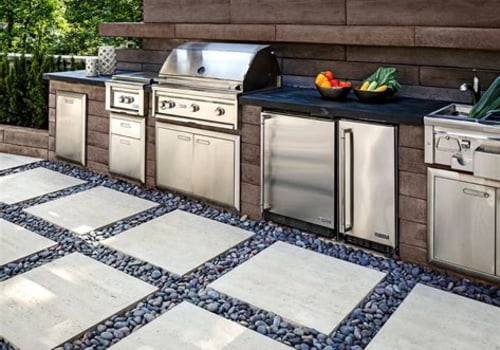
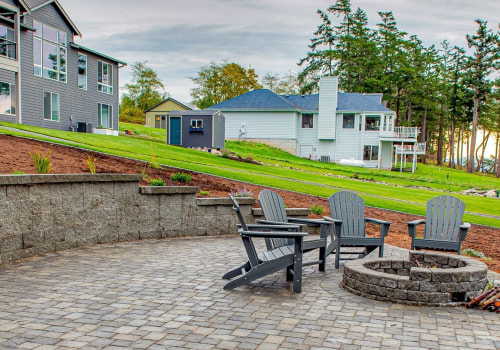
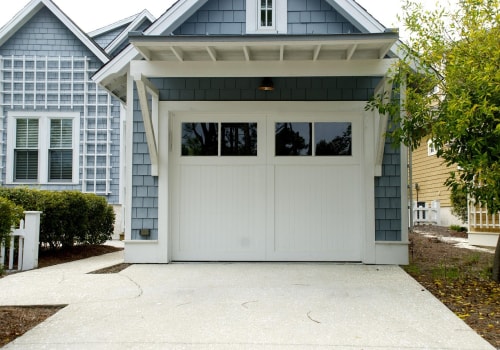
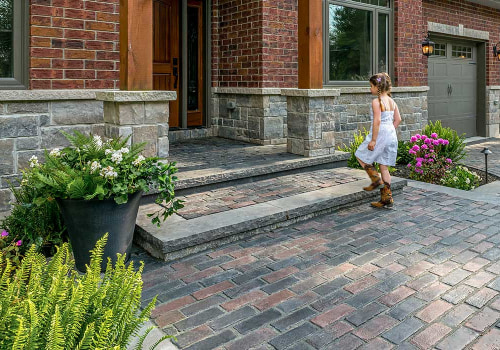
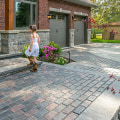
Paver installation is a popular choice for homeowners looking to enhance their outdoor spaces.
Pavers
are versatile, durable materials used for creating driveways, patios, walkways, and pool decks. They come in various shapes, sizes, and colors, allowing for endless design possibilities that can complement any architectural style. Understanding the different types of pavers available is essential for making an informed decision that suits your aesthetic preferences and functional needs. There are several types of pavers to consider during your installation process.Concrete pavers are among the most common due to their affordability and durability. They can mimic the look of natural stone while providing a sturdy surface that withstands heavy traffic.
Brick pavers
, on the other hand, offer a classic charm with their rich colors and textures, making them ideal for traditional landscapes. For those seeking a more natural appearance, stone pavers such as flagstone or slate can create a stunning visual impact while blending seamlessly with the surrounding environment. As you embark on your paver installation journey, it’s crucial to consider not only the aesthetic aspects but also the long-term maintenance of your chosen materials.This leads us to an important question: do you need to seal pavers after installation? Understanding the implications of sealing can significantly affect the longevity and appearance of your paved surfaces, making it a vital topic to explore further.
The Purpose of Sealing Pavers
Sealing pavers after installation serves multiple essential purposes that significantly enhance their longevity and aesthetic appeal. One of the primary reasons to seal pavers is to provide protection from stains. Pavers are often exposed to various substances such as oil, food, and dirt, which can lead to unsightly stains. A quality sealant creates a barrier that prevents these substances from penetrating the surface, making it easier to clean and maintain the pavers over time.Another critical benefit of sealing pavers is weather resistance.In regions with extreme weather conditions, unsealed pavers can suffer from damage due to freeze-thaw cycles, UV rays, and heavy rainfall. Sealing helps to protect against these elements by reducing water absorption and preventing the growth of mold and mildew. This not only preserves the structural integrity of the pavers but also extends their lifespan.Additionally, sealing pavers enhances their overall appearance. A good sealant can bring out the natural colors and textures of the pavers, giving them a vibrant look that can elevate the aesthetic of any outdoor space.
This enhancement is particularly beneficial for decorative pavers used in patios, walkways, and driveways.In summary, sealing pavers after installation is a wise investment that offers numerous advantages:
- Stain protection: Prevents oils and dirt from penetrating.
- Weather resistance: Shields against harsh environmental conditions.
- Aesthetic enhancement: Improves color vibrancy and texture.
- Longevity: Extends the life of your pavers.
When to Seal Pavers After Installation
Sealing pavers after installation is a crucial step in maintaining their appearance and longevity. However, knowing when to seal pavers can significantly impact the effectiveness of the sealant. The ideal timing for sealing pavers largely depends on several factors, including the type of pavers used, environmental conditions, and the curing time required.Generally, it is recommended to wait at least 30 days after installation before applying a sealant. This waiting period allows the pavers to properly cure and settle into place.During this time, any residual moisture from the installation process can evaporate, ensuring that the sealant adheres effectively.
Factors Influencing Timing for Sealing Pavers:
- Curing Time: Different materials have varying curing times. For instance, concrete pavers may require a longer curing period compared to clay or stone pavers.
- Environmental Conditions: Weather plays a significant role in determining when to seal pavers. Ideally, sealing should be done on a dry day with temperatures between 50°F and 90°F. Avoid sealing during rainy or excessively humid conditions, as moisture can interfere with the sealant's effectiveness.
- Type of Sealant: Some sealants are designed for quick application, while others may require specific conditions or longer curing times.
Always refer to the manufacturer's instructions for guidance.
Types of Sealers for Pavers
When it comes to paver installation, choosing the right sealer is crucial for maintaining the appearance and longevity of your pavers. There are two primary types of sealers: penetrating sealers and film-forming sealers. Each type has its unique properties and benefits, making them suitable for different applications.Pentrating Sealers
Pentrating sealers are designed to soak into the surface of the pavers, providing protection from within.They work by filling the pores of the material, which helps to prevent water infiltration, stains, and damage from freeze-thaw cycles. These sealers are often preferred for their natural look, as they do not alter the appearance of the pavers significantly. Additionally, they allow the surface to breathe, which can be beneficial in preventing mold and mildew growth.
Film-Forming Sealers
Film-forming sealers, on the other hand, create a protective layer on top of the pavers. This type of sealer is excellent for enhancing color and providing a glossy finish, making it a popular choice for decorative pavers.However, it is essential to note that film-forming sealers can trap moisture beneath the surface if not applied correctly, leading to potential issues such as peeling or blistering.
Choosing the Best Sealer for Your Pavers
When selecting a sealer for your pavers, consider factors such as:- Type of Paver: Different materials may require specific types of sealers.
- Location: Pavers in high-traffic areas or exposed to harsh weather may benefit from more robust sealing options.
- Aesthetic Preference: Decide whether you prefer a natural look or a glossy finish.
How to Seal Pavers: A Step-by-Step Guide
Sealing pavers is an essential step in maintaining their appearance and longevity. Here’s a step-by-step guide to help you through the sealing process.Preparation
- Clean the Surface: Before applying any sealant, ensure that your pavers are clean and free of debris. Use a pressure washer or a stiff broom to remove dirt, moss, and stains.
- Allow to Dry: After cleaning, let the pavers dry completely. This may take 24 to 48 hours depending on weather conditions.
- Check for Repairs: Inspect the pavers for any cracks or damage.
Repair these areas before sealing to ensure a smooth finish.
Application Techniques
- Select the Right Sealant: Choose a sealant that is suitable for your type of pavers. There are various options available, including water-based and solvent-based sealants.
- Test the Sealant: Before applying it to the entire area, test the sealant on a small, inconspicuous section of pavers to ensure compatibility.
- Apply Evenly: Using a roller or sprayer, apply the sealant evenly across the surface of the pavers. Work in small sections to avoid overlapping and ensure uniform coverage.
- Allow to Cure: Follow the manufacturer’s instructions regarding drying times. Typically, you should allow at least 24 hours before walking on the sealed surface.
Safety Tips
- Wear Protective Gear: Always wear gloves, goggles, and a mask when handling sealants to protect yourself from harmful chemicals.
- Ventilation: Ensure that you are working in a well-ventilated area to avoid inhaling fumes from the sealant.
Regular maintenance will keep your outdoor space looking its best for years to come.
Common Mistakes to Avoid When Sealing Pavers
Sealing pavers can significantly enhance their appearance and longevity, but several common mistakes can undermine your efforts. Understanding these pitfalls is crucial for achieving optimal results.- Skipping Surface Preparation: One of the most frequent errors is neglecting to properly clean and prepare the surface before sealing. Dirt, debris, and stains can prevent the sealant from adhering effectively, leading to uneven coverage and reduced protection.
- Choosing the Wrong Sealant: Not all sealants are created equal. Using a product that is incompatible with your specific type of pavers can result in discoloration or peeling.
Always check the manufacturer's recommendations to ensure you select the right sealant for your paver installation.
- Applying in Poor Weather Conditions: Sealing pavers during rain or extreme heat can cause the sealant to dry too quickly or not adhere properly. Aim for a mild, dry day to ensure optimal application conditions.
- Over-Application: Applying too much sealant can lead to a sticky surface that attracts dirt and debris. Follow the manufacturer's guidelines for application thickness to avoid this issue.
- Neglecting to Reseal: Many homeowners forget that sealing is not a one-time task. Over time, the sealant wears off due to exposure to elements and foot traffic.
Regularly inspecting and resealing your pavers will help maintain their appearance and durability.
FAQs About Sealing Pavers
When it comes to paver installation, many homeowners have questions about whether sealing is necessary. Here are some common queries and myths surrounding the topic:- Do I need to seal my pavers right after installation? It is generally recommended to wait at least 30 days after installation before applying a sealant. This allows the pavers to properly settle and any residual moisture to evaporate.
- What are the benefits of sealing pavers? Sealing pavers can enhance their color, protect against stains, and prevent weed growth in the joints. It also helps to reduce the effects of weathering and UV damage.
- Can I skip sealing my pavers? While sealing is not mandatory, skipping it may lead to quicker deterioration of your pavers.
Unsealed pavers are more susceptible to stains, fading, and erosion over time.
- Are there any myths about sealing pavers? Yes, one common myth is that sealing makes pavers slippery. In reality, there are non-slip sealers available that can enhance traction while still providing protection.
Conclusion: To Seal or Not to Seal?
In conclusion, the decision to seal pavers after installation is not merely a matter of preference but one that can significantly impact the longevity and appearance of your hardscaping.Throughout this article, we have explored various aspects of paver installation and the benefits that sealing can provide.Key Benefits of Sealing Pavers:
- Protection Against Stains: Sealing creates a barrier that helps prevent oil, grease, and other substances from penetrating the surface, making it easier to clean and maintain.
- Enhanced Color and Aesthetics: A quality sealant can enhance the natural colors of the pavers, giving your outdoor space a vibrant and polished look.
- Increased Durability: Sealing helps protect pavers from weather elements, UV rays, and freeze-thaw cycles, extending their lifespan.
- Weed and Moss Prevention: A sealed surface can deter weed growth and moss accumulation, reducing maintenance efforts over time.
By doing so, you will not only enhance the beauty of your outdoor space but also protect your investment for years to come.