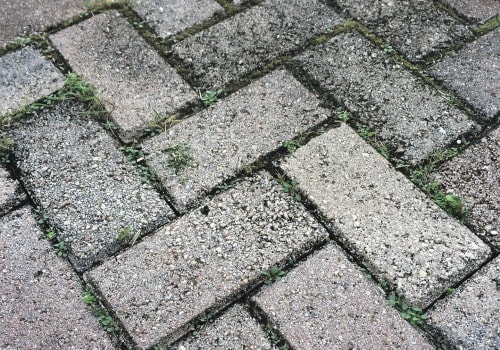
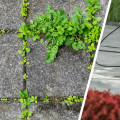
Paver installation is a popular choice for homeowners looking to enhance their outdoor spaces. This method involves laying interlocking stones or bricks to create durable and aesthetically pleasing surfaces for patios, walkways, and driveways. The versatility of pavers allows for a wide range of designs, colors, and patterns, making it easy to customize your landscape according to your personal style. One of the key benefits of paver installation is its durability. Unlike traditional concrete, pavers can withstand harsh weather conditions and heavy foot traffic without cracking or fading.
Additionally, they are relatively easy to repair; if a paver becomes damaged, it can be replaced individually without the need to redo the entire surface. This not only saves time but also reduces long-term maintenance costs. However, achieving a successful paver installation requires careful planning and execution, particularly when it comes to securing the edges. Proper edging is crucial as it helps maintain the integrity of the paver layout, preventing shifting and displacement over time. Without adequate edging, your beautiful new patio or walkway could quickly become uneven or unsightly.
Understanding the importance of edging in paver installation sets the foundation for a project that not only looks great but also stands the test of time.
Importance of Edging in Paver Installation
When it comes to paver installation, the significance of edging cannot be overstated. Edging serves as a crucial component that not only enhances the visual appeal of your paved area but also plays a vital role in maintaining its structural integrity over time.Why Use Edging for Pavers?
- Stability: Edging helps to keep pavers in place, preventing them from shifting or settling unevenly. This is particularly important in high-traffic areas where movement is more likely.
- Defined Boundaries: It creates a clear boundary for your paved surface, which can help to delineate different areas of your landscape, such as walkways, patios, and garden beds.
- Aesthetic Appeal: Edging can enhance the overall look of your installation by providing a finished appearance. It can be made from various materials, allowing you to choose an option that complements your design.
Benefits of Edging
- Weed Control: By providing a barrier, edging can help prevent weeds from encroaching on your paved surfaces, reducing maintenance efforts.
- Soil Erosion Prevention: Edging helps to hold soil in place, which is especially beneficial on sloped landscapes where erosion can be a concern.
- Longevity: Properly installed edging can extend the life of your paver installation by protecting it from the elements and physical wear and tear.
Whether you opt for metal, plastic, or natural stone edging, the benefits are clear: enhanced stability, improved appearance, and reduced maintenance efforts make edging an essential element in any successful paver project.
Types of Edging Materials for Paver Installation
When it comes to paver installation, choosing the right edging material is crucial for ensuring stability and longevity. Various materials can be used for edging, each with its own set of advantages and disadvantages. Below are some of the most popular options:- Concrete Edging: This is one of the most durable options available. Concrete edging can be poured in place or pre-cast, providing a solid barrier that holds pavers in place effectively.
However, it can be more expensive and requires professional installation.
- Brick Edging: Brick is a classic choice that complements many styles of landscaping. It offers a rustic look and can be laid in various patterns. While brick is aesthetically pleasing, it may require more maintenance over time due to weathering.
- Plastic Edging: Lightweight and easy to install, plastic edging is a budget-friendly option. It is flexible and can be shaped to fit any design.
However, it may not provide the same level of durability as other materials and can become brittle over time.
- Metal Edging: Aluminum or steel edging provides a sleek, modern look while being highly durable. It resists rust and corrosion, making it suitable for various climates. The downside is that metal edging can be more expensive than plastic options.
- Wood Edging: For a natural look, wood can be an attractive choice. It blends well with garden landscapes but may not last as long as other materials due to rot and insect damage unless treated properly.
Each material has its unique benefits that can enhance the overall appearance and functionality of your paved area.
How to Secure Edging for Paver Installation
Securing edging for paver installation is a crucial step that ensures the longevity and stability of your paved area. Properly installed edging helps to maintain the shape of the pavers and prevents them from shifting over time. Here’s a step-by-step guide on how to effectively secure edging for your paver project.- Choose the Right Edging Material: Select an edging material that complements your pavers and is suitable for your specific project. Common options include plastic, metal, or concrete edging.
- Prepare the Area: Before installing the edging, clear the area of any debris, grass, or weeds.
Ensure that the ground is level where the edging will be placed.
- Lay Out the Edging: Position the edging along the desired perimeter of your paved area. Use a garden hose or string line to create a visual guide for a straight edge.
- Secure the Edging: Depending on the type of edging you are using, secure it in place using stakes or spikes. For plastic or metal edging, drive stakes into the ground at regular intervals (typically every 2-3 feet) to hold it firmly in place.
- Check for Level: After securing, use a level to ensure that the top of the edging is even with the ground. Adjust as necessary to maintain a consistent height.
- Add Backfill: Once the edging is secured and level, backfill with soil or gravel on both sides of the edging to provide additional support and stability.
This not only enhances the aesthetic appeal but also contributes to the overall durability of your paved surface.
Common Mistakes to Avoid When Securing Edging
When it comes to paver installation, securing the edging is a crucial step that can significantly impact the overall durability and appearance of your project. However, many DIY enthusiasts and even professionals make common mistakes during this process. Here are some frequent errors to watch out for:- Inadequate Material Selection: Using the wrong type of edging material can lead to instability. Ensure you choose materials that are designed for paver installations, such as plastic, metal, or concrete edging.
- Poorly Installed Edging: Failing to install edging at the correct depth can result in shifting pavers.
The edging should be buried sufficiently to hold the pavers in place without being too deep, which can cause drainage issues.
- Neglecting to Secure Edging Properly: Many overlook the importance of securing the edging with stakes or spikes. This step is vital to prevent movement over time, especially in areas with heavy foot traffic.
- Ignoring Soil Conditions: Not considering the soil type can lead to problems. If your soil is loose or sandy, additional support may be necessary to keep the edging stable.
- Skipping Compaction: Failing to compact the soil before installing edging can lead to settling and shifting. Always compact the base material thoroughly before proceeding.
Conduct thorough research on the best practices for securing edging, and consider consulting with professionals if you're unsure about any aspect of your project. By being mindful of these common errors, you can ensure a successful and long-lasting paver installation that enhances your outdoor space.
Frequently Asked Questions About Paver Edging
When it comes to paver installation, understanding the nuances of paver edging is crucial for achieving a professional finish. Here are some frequently asked questions that can help clarify common concerns.- What is paver edging?
Paver edging refers to the materials and methods used to secure the edges of pavers in place, preventing shifting and maintaining the integrity of the installation. - Why is edging important in paver installation?
Edging is essential as it helps to keep the pavers aligned, prevents weed growth, and protects against erosion caused by water runoff. - What materials can be used for paver edging?
Common materials include plastic, metal, concrete, and wood. Each has its own benefits; for instance, metal edging is durable and provides a clean look, while plastic is lightweight and easy to install. - How deep should the edging be installed?
The depth of the edging should generally match the thickness of the pavers being installed, typically around 1 to 2 inches below the surface level of the pavers. - Can I use landscape fabric with paver edging?
Yes, using landscape fabric beneath your edging can help prevent weeds from growing up through the joints of your pavers, enhancing the longevity of your installation. - How do I secure my paver edging?
Edging can be secured using stakes or spikes that are driven into the ground.For heavier materials like concrete, adhesive or mortar may be used for added stability.
Conclusion: Key Takeaways on Securing Edging for Paver Installation
In summary, securing edging for paver installation is a crucial step that can significantly impact the longevity and appearance of your paved surfaces. Proper edging not only helps maintain the integrity of the pavers but also prevents shifting and settling over time. Here are the key takeaways to remember:- Choose the Right Material: Select edging materials that are durable and suitable for your specific project. Options include plastic, metal, and concrete, each offering unique benefits.
- Install Edging Before Paving: Always install your edging before laying down pavers.
This ensures that the pavers are properly contained and aligned from the start.
- Secure with Stakes: Use stakes or spikes to secure the edging firmly in place. This will help prevent movement during installation and over time.
- Consider Drainage: Ensure that your edging allows for proper drainage. Poor drainage can lead to water pooling, which may damage both the pavers and the edging.
- Regular Maintenance: After installation, regularly check the edging for any signs of wear or displacement. Addressing issues early can save you from more extensive repairs later.
Investing time in securing your edging will pay off in the long run, providing a stable foundation for your outdoor spaces.