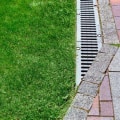
Paver installation is a popular choice for homeowners looking to enhance their outdoor spaces. With a variety of materials available, including concrete, brick, and natural stone, pavers offer both aesthetic appeal and functional durability. Each type of paver comes with its own unique characteristics, allowing homeowners to select the perfect option that aligns with their design vision and practical needs. One of the primary benefits of using pavers is their versatility. They can be used for driveways, patios, walkways, and even pool decks, making them an ideal solution for various landscaping projects.
Additionally, pavers are designed to withstand heavy loads and resist cracking, which is essential for areas with high foot or vehicle traffic. Their interlocking design also allows for easy repairs; if a paver becomes damaged, it can be replaced without disturbing the surrounding stones. However, the longevity and appearance of pavers can be significantly enhanced through proper sealing. Sealing not only protects against stains and weathering but also helps maintain the vibrant colors of the pavers over time. Understanding the different types of pavers and their benefits sets the foundation for making informed decisions about installation and maintenance, ensuring that your outdoor space remains beautiful and functional for years to come.
The Importance of Sealing Pavers
Sealing pavers is an essential step in paver installation that significantly enhances the longevity and appearance of your outdoor surfaces.Many homeowners and contractors may overlook this crucial aspect, but understanding the importance of sealing can lead to better maintenance and overall satisfaction.
Why Seal Pavers?
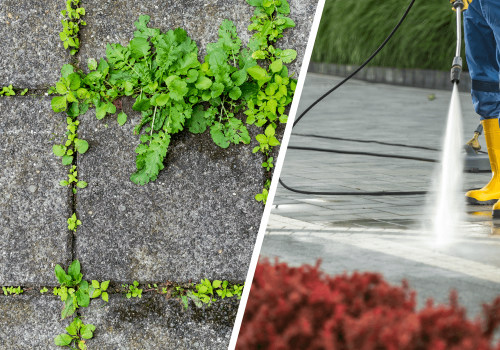
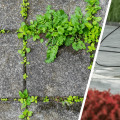
Sealing pavers creates a protective barrier against various environmental factors. Without this layer, pavers are susceptible to stains from oil, food, and other substances, which can lead to permanent discoloration. Additionally, unsealed pavers are more vulnerable to the growth of weeds and moss, which can compromise their structural integrity over time.
Benefits of Sealing Pavers
- Enhanced Durability: Sealing helps prevent erosion and damage from harsh weather conditions, ensuring that your pavers last longer.
- Stain Resistance: A quality sealer provides a protective layer that repels spills and stains, making cleaning easier and less frequent.
- Aesthetic Appeal: Sealed pavers often have a richer color and a glossy finish, enhancing the overall look of your outdoor space.
- Weed Prevention: By sealing the joints between pavers, you can significantly reduce weed growth, which not only looks unsightly but can also cause shifting and damage.
Paver Maintenance
Regular maintenance is key to preserving the benefits of sealing. It is recommended to reseal pavers every 1-3 years, depending on the type of sealer used and environmental conditions.
This proactive approach not only maintains the protective barrier but also keeps your outdoor area looking fresh and inviting.In conclusion, sealing pavers is not just an optional step; it is a vital part of paver installation that ensures durability, aesthetic appeal, and ease of maintenance. By investing in quality sealers and adhering to a regular maintenance schedule, homeowners can enjoy their beautiful paved areas for years to come.
Types of Paver Sealers
When it comes to paver installation, choosing the right type of sealer is crucial for enhancing durability and aesthetics. There are three primary types of paver sealers: acrylic sealers, penetrating sealers, and film-forming sealers. Each type has its unique characteristics and best use cases.Acrylic Sealers
Acrylic sealers are popular for their ease of application and quick drying time.They form a protective layer on the surface of the pavers, providing a glossy finish that enhances color and vibrancy. These sealers are ideal for decorative pavers and can be used both indoors and outdoors. However, they may require reapplication every 1-3 years, especially in high-traffic areas.
Pentrating Sealers
Pentrating sealers, as the name suggests, penetrate into the paver material rather than sitting on top. This type of sealer provides excellent protection against water damage, stains, and efflorescence without altering the appearance of the pavers significantly.They are particularly effective for natural stone and concrete pavers, making them a great choice for areas exposed to harsh weather conditions.
Film-Forming Sealers
Film-forming sealers create a thick protective layer over the surface of the pavers. These sealers are designed to provide a high level of gloss and can enhance the color of the pavers significantly. However, they can be prone to peeling if not applied correctly or if the surface is not properly prepared. Film-forming sealers are best suited for low-traffic areas where aesthetic appeal is a priority.In summary, selecting the right sealer depends on your specific needs and the conditions your pavers will face.Whether you prioritize aesthetics with acrylic sealers, durability with penetrating sealers, or a balance with film-forming options, understanding these types will help you make an informed decision for your paver installation.
Choosing the Best Sealer for Your Pavers
When it comes to paver installation, selecting the right sealer is crucial for maintaining the beauty and longevity of your pavers. The best sealer for pavers depends on various factors, including the type of pavers, the climate in your area, and your specific maintenance needs.Types of Sealers
- Film-forming sealers: These create a protective layer on the surface of the pavers, offering excellent resistance to stains and UV damage. They are ideal for areas with heavy foot traffic.
- Penetrating sealers: These soak into the pavers, providing protection from within. They are less visible and allow for natural texture and color to shine through, making them suitable for decorative pavers.
- Enhancing sealers: These not only protect but also enhance the color and appearance of your pavers.
They are perfect for revitalizing faded surfaces.
Factors to Consider When Sealing Pavers
- Climate: In areas with heavy rainfall or snow, a penetrating sealer may be more effective in preventing water damage.
- Paver Material: Different materials (like concrete, brick, or natural stone) may require specific types of sealers to ensure compatibility and effectiveness.
- Usage: Consider how much traffic your pavers will endure. High-traffic areas may benefit from more durable film-forming sealers.
- Aesthetic Preferences: Decide whether you want a glossy finish or a more natural look; this will influence your choice of sealer.
Application Process for Paver Sealers
Applying a sealer to your pavers is a crucial step in maintaining their appearance and longevity. Here’s a detailed guide on how to effectively apply paver sealer, along with some essential tips.Step 1: Prepare the Surface
- Ensure that the pavers are clean and free from dirt, debris, and stains.
Use a pressure washer for deep cleaning if necessary.
- Allow the pavers to dry completely before proceeding with the sealing process. This may take 24 to 48 hours depending on weather conditions.
Step 2: Choose the Right Sealer
- Select a sealer that is compatible with your type of pavers. There are various options available, including water-based and solvent-based sealers.
- Consider whether you want a glossy or matte finish, as this will affect the overall look of your paved area.
Step 3: Application Tools
- Gather necessary tools such as a roller, brush, or sprayer for applying the sealer.
- Make sure to wear protective gear, including gloves and a mask, especially when using solvent-based sealers.
Step 4: Apply the Sealer
- Start applying the sealer from one corner of the area and work your way across to avoid stepping on freshly sealed pavers.
- If using a sprayer, maintain a consistent distance from the surface to ensure even coverage.
- For edges and corners, use a brush to ensure that all areas are adequately sealed.
Step 5: Allow to Dry
- After application, allow the sealer to dry according to the manufacturer’s instructions. This typically ranges from 24 to 48 hours.
- Avoid heavy foot traffic during this drying period to prevent any damage to the newly sealed surface.
Application Tips:
- Always test the sealer on a small, inconspicuous area first to ensure compatibility and desired appearance.
- If applying multiple coats, ensure that each coat is completely dry before applying the next one.
Common Mistakes to Avoid When Sealing Pavers
Sealing pavers is a crucial step in maintaining their appearance and longevity, but many homeowners make common mistakes that can lead to unsatisfactory results.Understanding these pitfalls can help you achieve a professional finish and protect your investment.
- Skipping Surface Preparation: One of the most frequent errors is neglecting to properly clean and prepare the surface before applying the sealer. Dirt, debris, and old sealant residues can prevent the new sealer from adhering effectively. Always ensure that the pavers are thoroughly cleaned and dried.
- Choosing the Wrong Sealer: Not all sealers are created equal. Using a sealer that is not compatible with your type of pavers can lead to discoloration or peeling.
Research the best options for your specific paver material, whether it’s concrete, brick, or natural stone.
- Applying in Poor Weather Conditions: Sealing pavers in extreme temperatures or during rain can cause the sealer to cure improperly. Ideally, apply sealers on a dry day with moderate temperatures to ensure optimal adhesion and drying time.
- Over-Application: Applying too much sealer can result in a cloudy appearance and may even trap moisture underneath. Follow the manufacturer’s instructions regarding application thickness and coverage area.
- Neglecting to Reseal: Many homeowners forget that sealers wear off over time. Regular maintenance is essential; plan to reseal your pavers every 1-3 years depending on usage and exposure to elements.
Taking the time to prepare properly, choose the right products, and follow best practices will save you time and resources in the long run.
FAQs About Paver Sealers
When considering paver installation, many homeowners have questions about the best practices for sealing their pavers. Here are some of the most frequently asked questions regarding paver sealers.What is the purpose of sealing pavers?
Sealing pavers serves multiple purposes, including:- Protection against stains from oil, food, and other substances.
- Enhancement of color and appearance, making your pavers look new.
- Prevention of weed growth and insect infestations.
- Reduction of efflorescence, which is the white powdery substance that can appear on pavers.
How often should I seal my pavers?
The frequency of sealing depends on several factors, including:- The type of sealer used (some last longer than others).
- The climate in your area (harsh weather can degrade sealers faster).
- The amount of traffic your pavers experience.
Can I seal my pavers myself?
Yes, sealing pavers can be a DIY project if you have the right tools and follow proper procedures. However, for optimal results, consider hiring a professional, especially for large areas or intricate designs. Proper preparation and application are key to achieving a durable seal.What type of sealer is best for my pavers?
The best type of sealer depends on your specific needs:- Acrylic sealers: Great for enhancing color and providing a glossy finish.
- Polyurethane sealers: Offer superior durability and resistance to wear.
- Penetrating sealers: Ideal for natural stone pavers as they provide protection without altering appearance.
Conclusion: Making an Informed Choice for Your Paver Installation
In conclusion, selecting the right sealer for your paver installation is crucial for ensuring the longevity and aesthetic appeal of your outdoor surfaces.Throughout this article, we have explored various types of sealers, including enhancing sealers, wet look sealers, and natural finish sealers, each offering unique benefits tailored to different needs.When making your choice, consider the following key factors:
- Type of Pavers: Different materials may require specific sealers to achieve optimal results.
- Desired Finish: Decide whether you prefer a glossy, wet look or a more natural appearance.
- Environmental Conditions: Take into account your local climate and how it may affect the performance of the sealer.
- Maintenance Requirements: Some sealers may require more frequent reapplication than others, impacting long-term upkeep.