Paver installation is a popular choice for homeowners looking to enhance their outdoor spaces, providing both aesthetic appeal and functional durability. Whether you're creating a patio, walkway, or driveway, the right pavers can transform your landscape. However, once the pavers are laid, many homeowners wonder about the necessity of applying a sealer for pavers, particularly on the edges where wear and tear can be more pronounced. Understanding the role of sealers in paver installation is crucial. Sealers not only protect the surface from stains and moisture but also help to maintain the color and integrity of the pavers over time.
This is especially important for edges, which are often more vulnerable to damage from foot traffic, weather conditions, and landscaping activities. By sealing these areas, you can significantly extend the lifespan of your installation and reduce maintenance efforts. In this article, we will delve deeper into whether you need to use a sealer on the edges of your paver installation. We will explore the benefits of sealing pavers, including how it can prevent erosion and weed growth while enhancing the overall appearance of your outdoor space. By understanding these factors, you can make an informed decision that best suits your needs and investment.
What is Paver Installation?
Paver installation is a popular choice for homeowners looking to enhance their outdoor spaces.It involves laying individual units, known as pavers, to create durable and aesthetically pleasing surfaces for patios, walkways, driveways, and more. Understanding the basics of paver installation is essential for anyone considering this option.
Types of Pavers
- Concrete Pavers: These are versatile and come in various shapes, sizes, and colors. They are known for their durability and low maintenance.
- Brick Pavers: Made from fired clay, brick pavers offer a classic look and are often used in traditional designs. They are also highly durable.
- Natural Stone Pavers: Options like granite, slate, and limestone provide a unique and elegant appearance.
However, they can be more expensive than other types.
- Permeable Pavers: Designed to allow water to pass through, these pavers help manage stormwater runoff and reduce erosion.
The Paver Installation Process
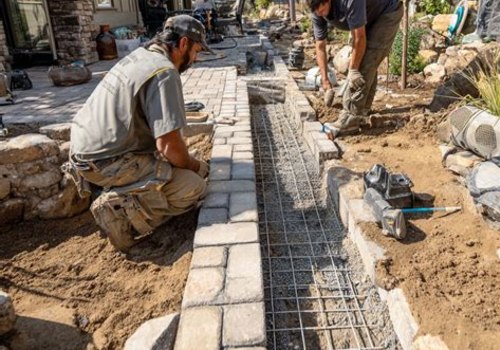
The process of installing pavers typically involves several key steps:- Planning: Determine the area to be paved and select the type of paver that suits your design preferences and functional needs.
- Excavation: Remove existing materials and excavate the area to the appropriate depth, ensuring proper drainage.
- Base Preparation: Lay a base of crushed stone or gravel to provide stability and support for the pavers.
- Laying Pavers: Begin placing the pavers in your desired pattern, ensuring they fit snugly together.
- Joint Filling: Fill the joints between pavers with sand or polymeric sand to lock them in place and prevent shifting.
- Compaction: Use a plate compactor to ensure the pavers are set firmly in place.
The Role of Sealers in Paver Installation
When it comes to paver installation, the use of sealers plays a significant role in enhancing the longevity and appearance of your paved surfaces. Sealers are protective coatings applied to pavers after installation, designed to safeguard them from various environmental factors.Why Use Sealers on Pavers?
- Protection Against Stains: Sealers create a barrier that helps prevent stains from oil, food, and other substances that can mar the surface of your pavers.
- Resistance to Weathering: Exposure to rain, snow, and UV rays can lead to fading and deterioration. Sealers help protect against these elements, ensuring your pavers maintain their color and structural integrity.
- Weed Growth Prevention: By sealing the joints between pavers, you can reduce the likelihood of weed growth, which can disrupt the aesthetic and stability of your installation.
Benefits of Sealing Pavers
- Enhanced Aesthetic Appeal: A good sealer can enhance the natural colors of your pavers, giving them a vibrant look that can elevate the overall appearance of your outdoor space.
- Ease of Maintenance: Sealed pavers are easier to clean and maintain.
The protective layer makes it simpler to wipe away dirt and debris without damaging the surface.
- Increased Lifespan: By protecting against wear and tear, sealers can significantly extend the lifespan of your paver installation, making it a worthwhile investment.
Do You Need to Seal the Edges of Paver Installations?
When it comes to paver installation, one common question that arises is whether it is necessary to seal the edges of the pavers. While sealing the entire surface of the pavers can provide numerous benefits, the edges often require special consideration due to their vulnerability.Do You Need to Seal Edges?
Sealing the edges of your paver installation is not strictly necessary, but it can be highly beneficial. The edges are typically more exposed to the elements and can be prone to erosion, weed growth, and shifting.
By applying a sealant specifically designed for pavers, you can enhance their durability and longevity.
Benefits of Sealing Edges
- Protection Against Erosion: Sealing helps prevent soil and sand from washing away, which can lead to uneven surfaces.
- Weed Prevention: A good sealant creates a barrier that inhibits weed growth along the edges.
- Aesthetic Appeal: Sealed edges maintain a cleaner look, preventing dirt and debris from accumulating.
Potential Issues Without Sealing
If you choose not to seal the edges of your paver installation, you may encounter several issues over time:
- Shifting Pavers: Unsealed edges are more susceptible to movement, which can lead to uneven surfaces and trip hazards.
- Increased Maintenance: Without sealing, you may find yourself spending more time on maintenance tasks such as weeding and cleaning.
- Shortened Lifespan: The lack of protection can lead to quicker deterioration of the pavers, necessitating costly repairs or replacements.
Factors Influencing the Decision to Use Sealers
When considering whether to use a sealer on the edges of your paver installation, several key factors come into play. Understanding these factors can help you make an informed decision that enhances the longevity and appearance of your pavers.Climate Impact on Sealers
The climate in your area significantly influences the effectiveness of sealers. In regions with high humidity or frequent rainfall, sealers can help prevent water infiltration, which may lead to mold and mildew growth.Conversely, in arid climates, sealers can protect against UV damage and fading caused by intense sunlight. Therefore, assessing your local weather patterns is crucial when deciding on sealer application.
Maintenance Considerations for Pavers
Another important factor is the level of maintenance you are willing to commit to. Sealers can reduce the frequency of maintenance required for your pavers. For instance, sealed pavers are generally easier to clean and less prone to staining from spills or organic materials.If you prefer a low-maintenance option, applying a sealer may be beneficial.
Type of Paver Material
The type of material used in your paver installation also plays a role in the decision to use sealers. Some materials, like concrete pavers, often benefit from sealing due to their porous nature, which can absorb stains and moisture. On the other hand, natural stone pavers may require specific types of sealers that cater to their unique properties.Aesthetic Preferences
Your aesthetic preferences should not be overlooked. Sealers can enhance the color and finish of pavers, providing a glossy look that many homeowners find appealing.If maintaining a vibrant appearance is important to you, using a sealer could be a wise choice.In summary, the decision to use a sealer on the edges of your paver installation should be based on climate conditions, maintenance preferences, material type, and aesthetic goals. By carefully evaluating these factors, you can ensure that your paver installation remains beautiful and functional for years to come.
Types of Sealers Available for Paver Installations
When it comes to paver installation, choosing the right sealer is crucial for enhancing durability and appearance. There are several types of sealers available, each with unique properties that cater to different needs.- Water-Based Sealers: These sealers are environmentally friendly and easy to apply. They typically dry quickly and have low VOC (volatile organic compounds) levels, making them a safer choice for residential areas.
Water-based sealers provide a natural look and are ideal for those who prefer a matte finish.
- Solvent-Based Sealers: Known for their durability, solvent-based sealers penetrate deeper into the pavers, offering superior protection against stains and weathering. They tend to enhance the color of the pavers, providing a wet look that many homeowners find appealing. However, they require more careful application due to their strong fumes and longer drying times.
- Film-Forming Sealers: These create a protective layer on the surface of the pavers, which can help prevent water infiltration and staining. They are available in both water-based and solvent-based formulations.
Film-forming sealers are excellent for high-traffic areas but may require reapplication every few years.
- Pore-Filling Sealers: Designed to penetrate the surface of the pavers, these sealers fill in the pores and provide a barrier against moisture and dirt. They are particularly effective for porous materials like concrete pavers.
How to Apply Sealers to Pavers Effectively
Applying a sealer to your paver installation can significantly enhance its durability and appearance.Here are some effective steps and tips to ensure a successful application.
Preparation
Before you begin, it’s crucial to prepare the surface of your pavers. Start by cleaning the area thoroughly to remove any dirt, debris, or stains. You can use a pressure washer for this task, ensuring that the pavers are completely dry before applying the sealer. This step is vital as moisture can prevent the sealer from adhering properly.Choosing the Right Sealer
Select a sealer that is appropriate for your specific type of pavers.There are two main types of sealers: film-forming and penetrating. Film-forming sealers create a protective layer on the surface, while penetrating sealers soak into the pavers for deeper protection. Consider factors such as climate and usage when making your choice.
Application Process
- Tools Needed: Gather your tools, including a roller or sprayer, a paintbrush for edges, and protective gear like gloves and goggles.
- Test Area: Before applying the sealer to the entire surface, test it on a small, inconspicuous area to ensure compatibility and desired finish.
- Apply Evenly: Start applying the sealer from one corner of the area and work your way across. Use long, even strokes with your roller or sprayer to avoid puddling.
- Edges and Joints: Use a paintbrush to carefully apply sealer along the edges and in between paver joints.
This ensures complete coverage and protection.
- Drying Time: Allow the first coat to dry completely before applying a second coat if necessary. Follow the manufacturer’s instructions for drying times.
Post-Application Care
After sealing, avoid heavy traffic on the pavers for at least 24 hours to allow the sealer to cure properly. Regular maintenance will help prolong the life of your sealant; consider reapplying every few years depending on wear and environmental conditions.By following these steps, you can effectively apply a sealer to your paver installation, enhancing its longevity and aesthetic appeal.Common Myths About Sealing Pavers
When it comes to paver installation, there are numerous myths and misconceptions about sealing pavers that can lead to confusion. Understanding these myths is crucial for making informed decisions about your outdoor spaces.- Myth 1: Sealing pavers is unnecessary. Many believe that sealing is an optional step in the paver installation process.
In reality, sealing can protect your pavers from stains, moisture, and UV damage, extending their lifespan significantly.
- Myth 2: All sealers are the same. This is a common misconception. There are various types of sealers available, including penetrating and film-forming options. Each type serves different purposes and offers varying levels of protection, so it's essential to choose the right one for your specific needs.
- Myth 3: Sealing will make pavers slippery. While some sealers can create a slick surface, there are non-slip options available. It's important to select a sealer that provides traction, especially in areas prone to moisture.
- Myth 4: Sealing is a one-time job. Many homeowners think that once they seal their pavers, they never have to do it again.
However, sealers wear off over time due to exposure to the elements and foot traffic. Regular maintenance and reapplication are necessary to maintain protection.
Conclusion: Making an Informed Decision on Sealing Edges in Paver Installations
In conclusion, the decision to use a sealer on the edges of your paver installation is not one to be taken lightly. Throughout this article, we have explored various factors that influence this choice, including the type of pavers used, the local climate, and the specific conditions of your installation site. One of the primary benefits of sealing edges is the enhanced protection it offers against moisture infiltration and weed growth.This can be particularly important in areas prone to heavy rainfall or where soil erosion is a concern. Additionally, sealing can help maintain the aesthetic appeal of your pavers by preventing discoloration and fading over time. However, it is essential to consider the potential downsides as well. Sealing can sometimes create a slippery surface, especially when wet, which may not be ideal for all applications. Furthermore, the application process requires careful preparation and maintenance to ensure optimal results.
- Evaluate Your Environment: Assess your local weather patterns and soil conditions to determine if sealing is necessary.
- Consider Aesthetics: Think about how sealing will affect the look of your pavers and whether you prefer a natural or enhanced finish.
- Maintenance Requirements: Be aware that sealed edges may require periodic reapplication to maintain their protective qualities.
Consulting with a professional installer can also provide valuable insights tailored to your unique situation. By taking the time to consider all aspects, you can ensure that your paver installation remains beautiful and functional for years to come.