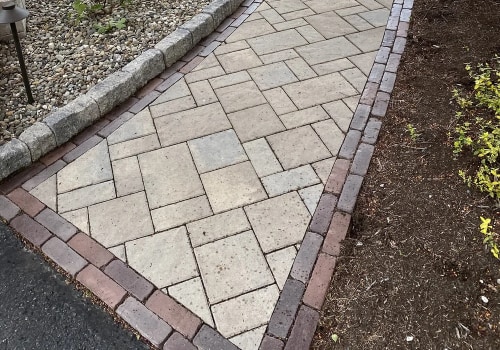
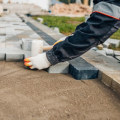
Paver installation is a popular choice for homeowners looking to enhance their outdoor spaces with both functionality and aesthetic appeal. This method involves laying interlocking stones, bricks, or concrete slabs to create durable surfaces for patios, walkways, driveways, and more. The versatility of pavers allows for a wide range of designs, colors, and patterns, making it easy to customize your outdoor area to reflect your personal style. One of the primary benefits of paver installation is its durability. Unlike traditional concrete, which can crack and deteriorate over time, pavers are designed to withstand the elements and heavy foot traffic.
Additionally, if a paver becomes damaged, it can be easily replaced without the need for extensive repairs. This not only saves time but also reduces long-term maintenance costs. Moreover, paver installation offers excellent drainage capabilities. The gaps between the pavers allow water to seep through, reducing runoff and minimizing the risk of puddles or erosion. This feature is particularly beneficial in areas prone to heavy rainfall or flooding.
As you consider your options for outdoor improvements, understanding the advantages of paver installation will help you make an informed decision that enhances both the beauty and functionality of your space.
What is a Compactor and Its Role in Paver Installation?
A compactor is a powerful piece of equipment designed to compress and consolidate materials, making it an essential tool in various construction projects, including paver installation. Its primary function is to ensure that the base material beneath the pavers is adequately compacted, which helps to create a stable and durable surface for the pavers to rest upon.In the context of paver installation, the role of a compactor cannot be overstated. Proper compaction of the base layer minimizes the risk of settling or shifting over time, which can lead to uneven surfaces and potential damage to the pavers. By using a compactor, installers can achieve a solid foundation that supports the weight of the pavers and withstands environmental factors such as rain and freeze-thaw cycles.Types of Compactors
- Plate Compactors: These are the most common type used for paver installation.
They feature a flat plate that vibrates to compact soil or gravel effectively. Plate compactors are ideal for small to medium-sized areas.
- Jumping Jack Compactors: Also known as rammer compactors, these machines are designed for compacting cohesive soils in tight spaces. Their unique design allows them to deliver powerful impacts, making them suitable for trench work or areas where plate compactors cannot reach.
- Roller Compactors: These are larger machines typically used for extensive projects. They can cover large areas quickly and are effective in achieving high levels of compaction on various surfaces.
Factors such as the size of the area, type of soil, and specific project requirements will influence your decision. Regardless of the type chosen, using a compactor will significantly enhance the longevity and stability of your paver installation.
Why You Need a Compactor for Paver Installation
When it comes to paver installation, using a compactor is not just a recommendation; it is a necessity for achieving optimal results. A compactor plays a crucial role in ensuring that the base material is properly compacted, which directly affects the stability and longevity of the pavers.Benefits of Using a Compactor
- Enhanced Stability: Compaction helps to eliminate air pockets and voids in the base material, creating a solid foundation for the pavers. This stability is essential to prevent shifting or settling over time.
- Increased Longevity: Properly compacted bases reduce the risk of erosion and damage from water infiltration.
This means your paver installation will last longer, saving you time and money on repairs.
- Aesthetic Appeal: A well-compacted surface ensures that pavers are level and uniform, enhancing the overall appearance of your outdoor space. Uneven pavers can detract from the beauty of your installation.
The Importance of Compaction
Compaction is vital because it affects how well the pavers interlock and distribute weight. Without adequate compaction, you may experience issues such as:
- Cracking or breaking of pavers due to uneven settling.
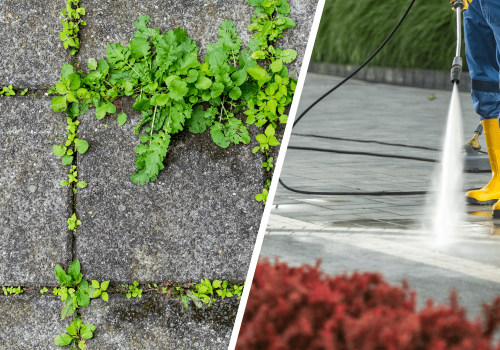
- Weed growth in gaps caused by shifting pavers.
- Puddling or drainage problems due to improper grading.
How to Use a Compactor for Paver Installation
Using a compactor during paver installation is essential for achieving a stable and long-lasting surface.Here’s a step-by-step guide on how to effectively use a compactor:
- Choose the Right Compactor: Select a plate compactor suitable for your project size. For smaller areas, a lightweight model may suffice, while larger installations may require a heavier machine.
- Prepare the Base: Before compacting, ensure that the base material is evenly spread and free of debris. This will help achieve uniform compaction.
- Moisten the Base: Lightly moisten the base material to enhance compaction. This helps reduce dust and allows for better particle interlock.
- Start Compacting: Begin at one corner of the area and work your way across in straight lines.
Overlap each pass by about 30% to ensure even compaction.
- Adjust Speed: Maintain a steady pace while operating the compactor. Too fast can lead to uneven compaction, while too slow may not provide adequate force.
- Check for Levelness: After each pass, check the level of the base with a level or string line. Make adjustments as necessary before proceeding.
- Repeat as Necessary: Depending on the material and depth, multiple passes may be required to achieve optimal compaction.
- Vibratory Compaction: This technique uses vibration to settle particles closer together, ideal for granular materials.
- Pneumatic Compaction: For softer soils, pneumatic compactors can be effective in achieving desired density without over-compacting.
Common Mistakes to Avoid When Using a Compactor
When it comes to paver installation, using a compactor is essential for achieving a stable and long-lasting surface. However, there are several common mistakes that both DIYers and professionals can make when operating this equipment.Understanding these pitfalls can help ensure a successful installation.
1.Not Choosing the Right Compactor
One of the most significant errors is using the wrong type of compactor for the job. For instance, a plate compactor is ideal for smaller areas and granular materials, while a jumping jack compactor is better suited for cohesive soils. Always assess your project requirements before selecting your equipment.2.Inadequate Preparation of the Base
Before compacting, it’s crucial to prepare the base properly. Failing to remove debris, rocks, or organic material can lead to uneven compaction and future settling of the pavers.Ensure that the base is clean and level before you begin.
3.Over-Compacting
While it may seem beneficial to compact the base as much as possible, over-compacting can lead to a hard surface that doesn’t allow for proper drainage. This can cause water pooling and damage over time. Aim for a balance by compacting in layers and checking the density regularly.4.Skipping the Edging
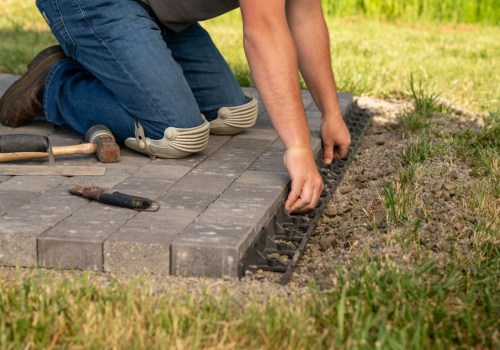
Another common mistake is neglecting to compact around the edges of the paver installation. Edging stones need to be secured just as much as the interior pavers to prevent shifting.Make sure to compact around all edges thoroughly.
5.Ignoring Manufacturer Guidelines
Each compactor comes with specific guidelines regarding its use, including recommended speeds and techniques. Ignoring these instructions can lead to ineffective compaction or even damage to the equipment or pavers themselves.6.Failing to Check for Levelness
After compacting, it’s essential to check that your pavers are level. A quick visual inspection may not be enough; use a level tool to ensure everything is even before proceeding with further installation steps. By avoiding these common errors when using a compactor, you can significantly enhance the quality of your paver installation. Taking the time to understand proper techniques will lead to a more durable and aesthetically pleasing result.Alternatives to Using a Compactor in Paver Installation
While using a compactor is a common practice in paver installation, there are several alternatives that can be effective, especially in specific scenarios or for smaller projects.Understanding these methods can help you achieve a solid base without the need for heavy machinery.
Manual Methods for Paver Installation
For smaller areas or DIY projects, manual methods can be quite effective. Here are some techniques:- Hand Tamper: A hand tamper is a simple tool that can be used to compact the base material manually. It requires more physical effort but is suitable for small areas.
- Rubber Mallet: After laying the pavers, gently tapping them with a rubber mallet can help settle them into place and ensure they are level.
- Watering Technique: Lightly watering the base material before laying pavers can help with compaction as the moisture helps bind the particles together.
When Not to Use a Compactor
There are certain situations where using a compactor may not be necessary or advisable:- Small Projects: For small patios or walkways, manual methods may suffice, saving time and effort in setting up a compactor.
- Sensitive Areas: If you are working in areas with delicate landscaping or existing structures, using a compactor could cause damage.
- Soft Soil Conditions: In cases where the soil is too soft or unstable, compacting may not yield the desired results and could lead to uneven settling.
FAQs About Compactors and Paver Installation
When it comes to paver installation, many homeowners and contractors have questions about the necessity of using a compactor. Here are some frequently asked questions that can help clarify this topic.Why is a compactor important for paver installation?
A compactor is essential in paver installation because it helps to ensure a solid and stable base.By compacting the base material, you reduce the risk of settling and shifting over time, which can lead to uneven pavers and potential damage. A well-compacted base also aids in proper drainage, preventing water from pooling on the surface.
What type of compactor should I use?
There are several types of compactors available, but for paver installation, a plate compactor is often recommended. Plate compactors are effective for compacting granular materials and can easily maneuver around the edges of your project. For larger areas, a ride-on roller may be more efficient.Can I install pavers without a compactor?
While it is technically possible to install pavers without a compactor, it is not advisable.Skipping this step can lead to uneven surfaces and increased maintenance issues down the line. If you want your paver installation to last, investing in a compactor is crucial.
How do I know if my base is properly compacted?
- Sound Test: When you walk on the compacted base, it should sound solid and firm.
- Visual Inspection: Look for any visible signs of settling or soft spots.
- Weight Test: If you can easily leave footprints in the base, it may need more compaction.
Conclusion: The Essential Role of Compactors in Successful Paver Installation
In conclusion, the use of a compactor during paver installation is not just a recommendation; it is an essential step that significantly impacts the durability and aesthetic appeal of your paved surface. Throughout this article, we have explored the various benefits of utilizing a compactor, including:- Enhanced Stability: Compactors help to eliminate air pockets and ensure that the base material is tightly packed, providing a solid foundation for your pavers.
- Improved Longevity: By compressing the base and pavers, you reduce the likelihood of shifting or settling over time, which can lead to costly repairs.
- Better Aesthetics: A well-compacted surface minimizes unevenness and enhances the overall look of your installation, ensuring that your pavers sit flush and level.
Always choose the right type of compactor for your specific project—whether it be a plate compactor or a jumping jack—based on the size and scope of your installation. Additionally, ensure that you compact in layers, especially if you are working with deeper bases, to achieve optimal results.Ultimately, investing time and effort into proper paver installation techniques, including the use of a compactor, will pay off in the long run. Not only will you enjoy a beautiful outdoor space, but you will also benefit from reduced maintenance and increased property value. So, as you embark on your next paving project, remember that a compactor is not just an optional tool; it is a vital component for success.