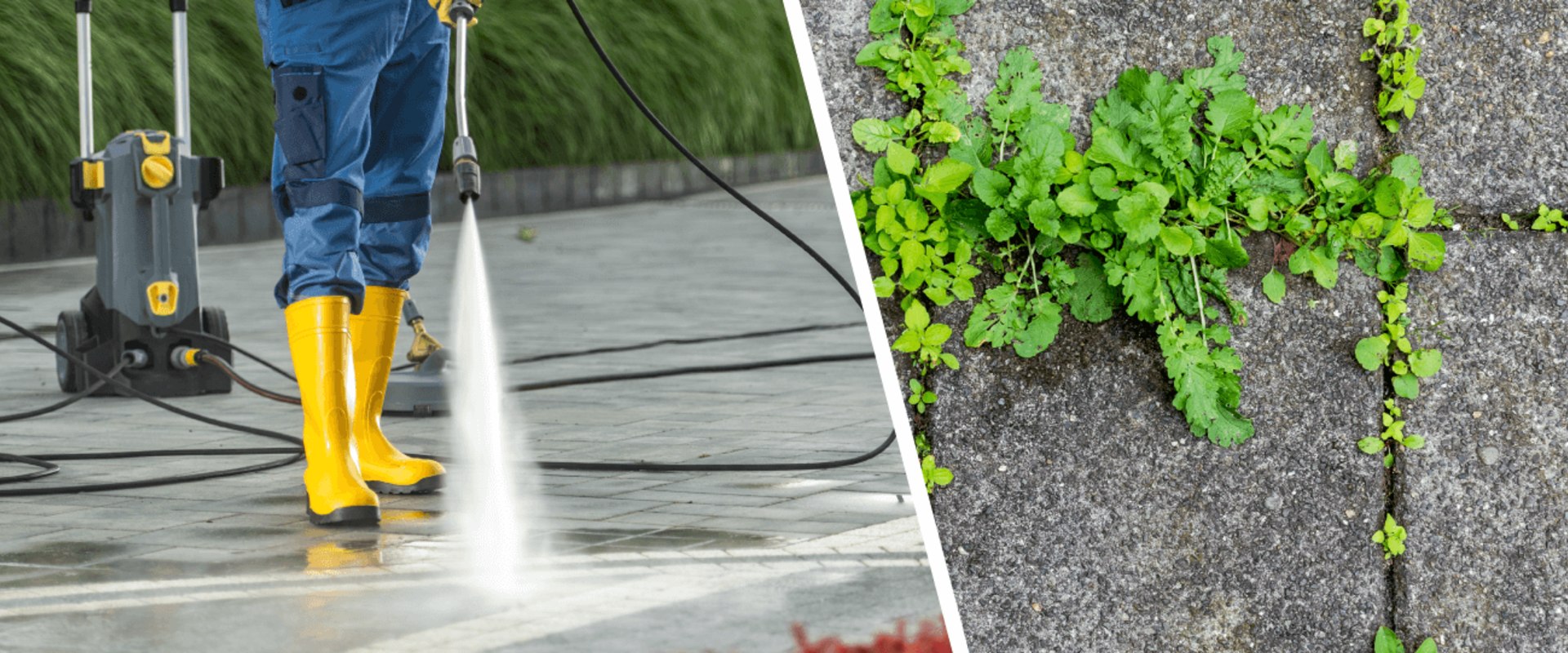
Paver installation is a popular choice for enhancing outdoor spaces, providing both functionality and aesthetic appeal. However, achieving the perfect look and durability requires careful consideration of various factors, including the distance between pavers and any nearby structures. Proper spacing not only contributes to the visual harmony of your landscape but also ensures that the pavers can withstand environmental stresses over time. When planning your paver layout, it’s essential to understand that paver spacing plays a crucial role in preventing issues such as cracking and shifting. Adequate gaps allow for natural expansion and contraction due to temperature changes, as well as drainage during heavy rainfall.
This is particularly important when pavers are installed near structures like patios, walkways, or retaining walls, where improper spacing can lead to water pooling or structural damage. In this article, we will explore the recommended distances for paver installation in relation to nearby structures, ensuring that your outdoor project not only looks great but also stands the test of time. By following best practices for spacing, you can create a beautiful and durable paved area that enhances your property’s value and functionality.
Importance of Proper Spacing in Paver Installation
When it comes to paver installation, the importance of proper spacing cannot be overstated. Adequate spacing between pavers and nearby structures is essential for several reasons, including drainage, structural integrity, and visual appeal.Drainage:
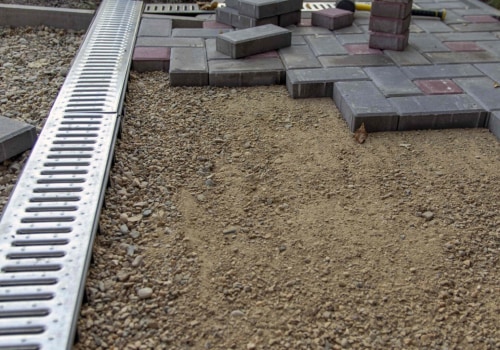
One of the primary functions of spacing is to facilitate effective water drainage. Without sufficient gaps, water can accumulate on the surface, leading to potential erosion and damage to both the pavers and adjacent structures.
Properly spaced pavers allow rainwater to flow through the joints, reducing the risk of pooling and ensuring that water is directed away from foundations and other critical areas.
Structural Integrity:
Spacing also plays a vital role in maintaining the structural integrity of your paved area. When pavers are installed too closely together, they can shift or crack under pressure, especially in areas with heavy foot traffic or vehicular use. By adhering to recommended spacing guidelines, you can help ensure that each paver has room to expand and contract with temperature changes, minimizing the risk of damage.
Visual Appeal:
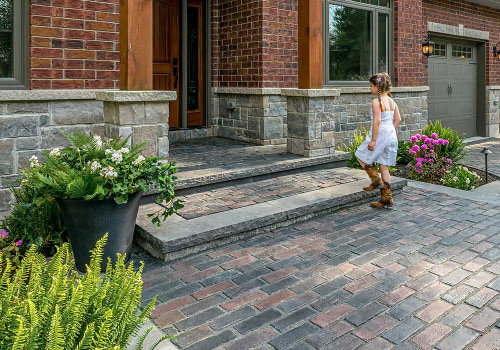
Beyond functionality, proper spacing contributes significantly to the overall aesthetic of your paved surface. Well-spaced pavers create a balanced look that enhances the beauty of your outdoor space.
Uneven or overly tight arrangements can lead to a cluttered appearance, detracting from the design you aim to achieve.In summary, when planning your paver installation, consider these factors carefully. The right distance between pavers and nearby structures not only promotes effective drainage and structural stability but also elevates the visual appeal of your landscape. Investing time in proper spacing will yield long-term benefits for both functionality and aesthetics.
Recommended Distance Between Pavers and Structures
When planning your paver installation, it is crucial to consider the recommended distance between pavers and nearby structures. This spacing not only enhances the aesthetic appeal of your outdoor space but also ensures proper drainage and prevents potential damage to both the pavers and the structures.Generally, the recommended distance between pavers and structures such as walls, fences, and buildings is about 1 to 2 inches.This gap allows for adequate airflow and water drainage, which can help prevent moisture buildup that may lead to mold or structural damage over time.Here are some specific guidelines to follow:
- Walls: Maintain a distance of at least 1 inch from any vertical wall. This space helps accommodate any settling or shifting of the pavers without causing damage to the wall.
- Fences: A gap of 2 inches is advisable between pavers and fence posts. This distance allows for easy maintenance and prevents the fence from being affected by shifting soil or water runoff.
- Buildings: For structures like homes or garages, aim for a distance of 1 to 2 inches. This spacing is essential for proper drainage away from the foundation, reducing the risk of water pooling near the building.
In areas with heavy rainfall or snow, increasing the distance slightly may be beneficial to enhance drainage further. Always consult local building codes or a professional installer for specific requirements in your region.By adhering to these paver installation guidelines, you can ensure a durable and visually appealing outdoor space that stands the test of time.
Factors Influencing Paver Spacing
When planning for paver installation, understanding the various factors that influence the spacing between pavers is crucial for achieving a durable and aesthetically pleasing surface. Here are some key considerations:- Soil Type: The type of soil in your area can significantly affect how pavers settle and how much space is needed between them. For instance, sandy soils tend to drain well but may require closer spacing to prevent shifting.
In contrast, clay soils, which retain moisture, may necessitate wider gaps to allow for expansion and contraction.
- Climate Conditions: The local climate plays a vital role in determining the appropriate spacing for pavers. In regions with extreme temperature fluctuations, pavers may expand and contract more than in milder climates. This means that wider gaps might be necessary in colder areas to accommodate potential frost heave, while warmer climates may allow for tighter spacing.
- Intended Use: The purpose of the paved area also influences spacing. For high-traffic areas such as driveways or walkways, closer spacing can provide a more stable surface, reducing the risk of pavers shifting under pressure.
Conversely, decorative patios may allow for more flexibility in spacing to enhance visual appeal.
Common Mistakes in Paver Installation Spacing
When it comes to paver installation, one of the most critical aspects that can make or break your project is the spacing between the pavers and nearby structures. Many homeowners and DIY enthusiasts make common mistakes in this area, leading to issues that could have been easily avoided.One prevalent error is not allowing enough space between the pavers and adjacent structures such as walls, fences, or landscaping features. This can lead to several problems:- Water drainage issues: Insufficient spacing can cause water to pool near structures, leading to erosion or damage over time.
- Cracking and shifting: As pavers expand and contract with temperature changes, tight spacing can result in cracks or misalignment.
- Weed growth: Close proximity to structures can create a favorable environment for weeds, which can disrupt the aesthetic appeal of your installation.
- Measure carefully: Always measure the distance between your pavers and any nearby structures before installation. A general rule of thumb is to maintain at least a 1-inch gap.
- Use spacers: Employing spacers during installation can help ensure consistent gaps between pavers, preventing overcrowding.
- Plan for expansion: Remember that materials expand and contract; therefore, leaving adequate space allows for this natural movement without compromising the integrity of your installation.
Taking the time to plan and execute proper spacing will save you from costly repairs and maintenance in the future.
FAQs About Paver Installation and Spacing
When it comes to paver installation, understanding the recommended distance between pavers and nearby structures is crucial for both aesthetics and functionality. Here are some common questions regarding this topic:- What is the ideal spacing between pavers?
The ideal spacing between pavers typically ranges from 1/8 inch to 1/4 inch. This gap allows for proper drainage and prevents the pavers from shifting over time. - How close can pavers be to a building?
It is generally recommended to maintain a distance of at least 2 inches from any nearby structures, such as walls or foundations. This space helps prevent moisture buildup against the structure, which can lead to damage. - Should I consider expansion joints?
Yes, if your paver installation covers a large area, incorporating expansion joints every 10 to 15 feet is advisable.These joints accommodate movement due to temperature changes and help maintain the integrity of the installation.
- What about landscaping features?
When installing pavers near landscaping features like flower beds or trees, ensure there is adequate space (at least 6 inches) to allow for root growth and soil expansion.
Conclusion: Key Takeaways on Paver Spacing
In summary, understanding the recommended distance between pavers and nearby structures is crucial for successful paver installation. This spacing not only enhances the aesthetic appeal of your outdoor space but also ensures functionality and longevity of the installation. Here are the key takeaways:- Minimum Spacing: It is generally recommended to maintain a minimum distance of 1 to 2 inches between pavers and any adjacent structures, such as walls, fences, or buildings. This gap allows for proper drainage and prevents water accumulation that could lead to structural damage.
- Consider Expansion: As pavers can expand and contract with temperature changes, leaving adequate space helps accommodate these movements without causing cracks or misalignment.
- Accessibility: Adequate spacing also facilitates easier maintenance and cleaning.
It allows for access to edges and prevents debris buildup that can occur when pavers are too close to structures.
- Aesthetic Considerations: The visual appeal of your paved area can be significantly affected by spacing. A well-planned distance can create a more balanced look, enhancing the overall design of your landscape.