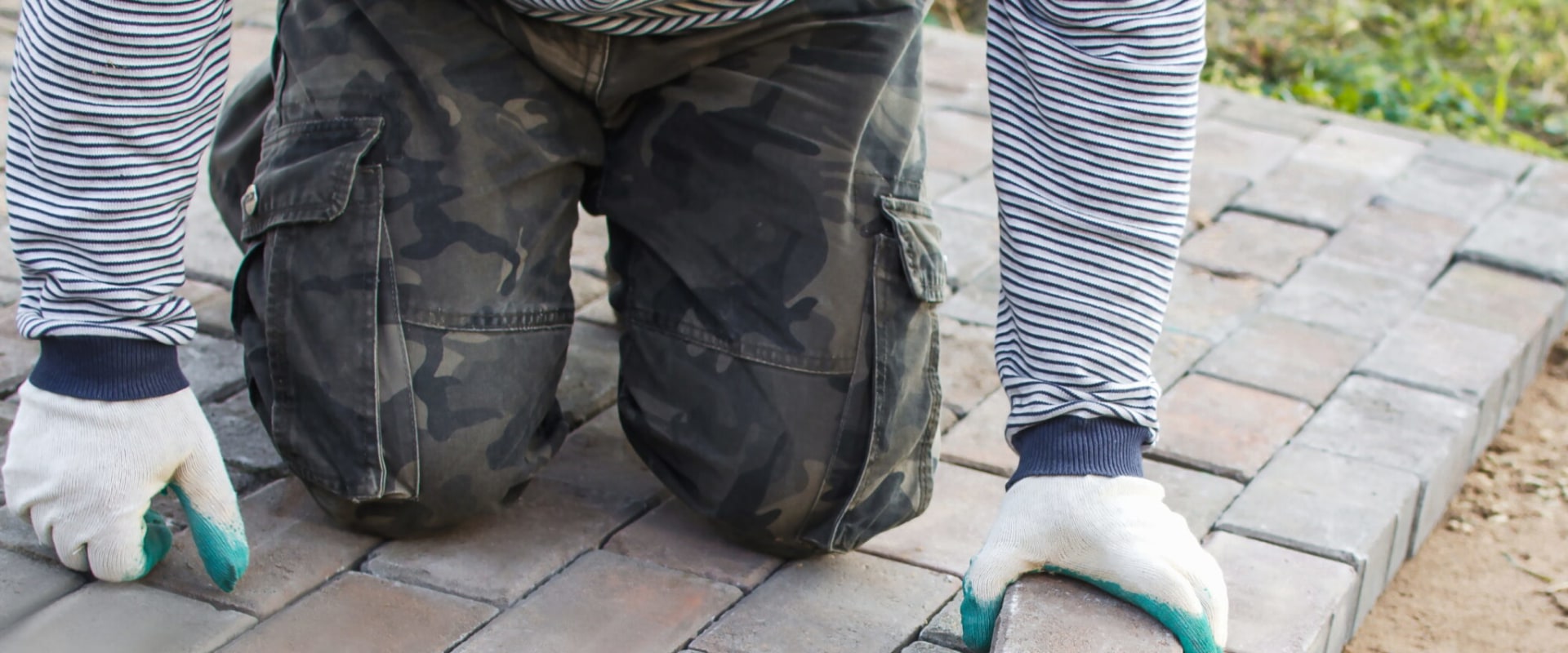
Paver installation is a popular choice for homeowners looking to enhance their outdoor spaces. This method involves laying interlocking stones, bricks, or concrete slabs to create durable and aesthetically pleasing surfaces for patios, walkways, and driveways. The versatility of pavers allows for a wide range of designs and patterns, making them an attractive option for any landscape. However, one crucial aspect that often gets overlooked is the impact of weather conditions on the installation process. Understanding the benefits of paver installation is essential for anyone considering this upgrade.
Pavers are not only visually appealing but also offer practical advantages such as low maintenance, excellent drainage capabilities, and long-lasting durability. Unlike traditional concrete, which can crack under extreme temperatures, pavers can flex slightly without losing their integrity. This resilience makes them a smart investment for homeowners. However, the success of a paver installation project can be significantly influenced by the weather, particularly in colder climates. Cold temperatures can affect the materials used and the overall installation process, leading to potential issues down the line.
Therefore, it’s vital to consider these factors when planning your project. In the following sections, we will delve deeper into how cold weather impacts paver installation and what precautions can be taken to ensure a successful outcome.
The Impact of Cold Weather on Paver Installation
When considering paver installation in cold weather, it is essential to understand how low temperatures can impact both the materials and the installation process. Cold weather can lead to several challenges that may affect the durability and appearance of your pavers.Effects of Cold Weather on Paver Materials
- Concrete Pavers: When temperatures drop below 50°F (10°C), the curing process of concrete slows down significantly. This can result in weaker pavers that are more susceptible to cracking.
- Polymeric Sand: The effectiveness of polymeric sand, often used to fill joints between pavers, can be compromised in cold conditions.
If the sand does not properly set due to low temperatures, it may wash out or fail to bind effectively.
- Adhesives and Sealants: Many adhesives and sealants have specific temperature ranges for optimal performance. Using them in cold weather can lead to improper bonding, which may cause pavers to shift or become loose over time.
Challenges During Installation
- Ground Conditions: Frozen ground can make it difficult to excavate and prepare the site for paver installation. Additionally, if the ground is too soft due to thawing, it may lead to settling issues later on.
- Worker Safety: Cold weather poses safety risks for workers, including slips and falls on icy surfaces. This can slow down the installation process and increase the likelihood of accidents.
- Timing and Scheduling: The shorter daylight hours in winter can limit working time, making it challenging to complete a project efficiently.
Proper planning and adjustments can help mitigate these issues, ensuring a successful installation even in less-than-ideal conditions.
Best Practices for Installing Pavers in Cold Weather
Installing pavers in cold weather can be challenging, but with the right techniques and precautions, you can achieve a durable and aesthetically pleasing result. Here are some best practices to consider when undertaking paver installation during the winter months:- Choose the Right Materials: Opt for pavers that are specifically designed for cold weather. Some materials, like concrete, can crack in freezing temperatures if not properly formulated.
- Check the Weather Forecast: Aim for days when temperatures are consistently above 32°F (0°C) and avoid installation during snow or rain. If temperatures are expected to drop significantly overnight, consider postponing your project.
- Use a Heated Base: If possible, use a heated base or heating mats to keep the ground warm during installation.
This helps prevent the base from freezing and ensures better adhesion of the pavers.
- Prepare the Base Properly: Ensure that the base is well-compacted and free of ice or snow. A solid foundation is crucial for preventing shifting and settling once the pavers are laid.
- Utilize Sand Wisely: When using sand as a joint filler, ensure it is dry. Wet sand can freeze and create gaps between pavers, leading to instability.
- Consider Timing: Plan your installation for midday when temperatures are at their highest. This can help mitigate some of the challenges posed by cold weather.
- Seal Your Pavers: After installation, consider applying a sealant designed for cold weather.
This can protect your pavers from moisture infiltration and freeze-thaw cycles.
Materials and Tools for Cold Weather Paver Installation
When it comes to paver installation in cold weather, selecting the right materials and tools is crucial for ensuring a successful outcome. The harsh conditions can affect both the installation process and the longevity of the pavers.Best Materials for Cold Weather Paving
Choosing the right materials is essential for cold weather paving. Here are some recommendations:- Concrete Pavers: These are often the best choice for cold climates due to their durability and resistance to freeze-thaw cycles.
Look for pavers that are specifically designed for low temperatures.
- Porous Pavers: These allow water to drain through, reducing the risk of ice formation. They can be particularly beneficial in areas with heavy snowfall.
- Polymeric Sand: This type of sand is ideal for filling joints between pavers as it hardens when wet and provides stability, even in cold conditions.
Tools for Winter Paver Installation
The right tools can make a significant difference during installation in colder months. Consider the following:- Paver Lifter: This tool helps to handle heavy pavers without straining your back, especially important when working in colder temperatures.
- Heated Mats: Using heated mats can help keep the ground warm, preventing frost from forming and allowing for easier installation.
- Rubber Mallet: A rubber mallet is essential for adjusting pavers without damaging them, which is particularly important when working with brittle materials in cold weather.
By taking these factors into account, you can ensure a successful and durable paver installation even in challenging winter conditions.
Common Mistakes to Avoid When Installing Pavers in Cold Weather
Installing pavers in cold weather can be challenging, and several common mistakes can lead to poor results. Understanding these pitfalls is essential for achieving a durable and aesthetically pleasing installation.- Ignoring Temperature Guidelines: One of the most significant mistakes is proceeding with installation when temperatures are too low. Most paver materials have specific temperature ranges for optimal installation. Always check the manufacturer's recommendations before starting.
- Neglecting Base Preparation: In cold weather, the ground can freeze, making it difficult to prepare a stable base.
Failing to properly compact the base can lead to shifting and settling once the ground thaws. Ensure that the base is adequately prepared and compacted before laying pavers.
- Using Improper Adhesives: Cold temperatures can affect the performance of adhesives and sealants. Using products not designed for low temperatures can result in weak bonds and premature failure. Always select adhesives that are rated for cold weather use.
- Rushing the Process: Cold weather can create a sense of urgency, but rushing through the installation can lead to mistakes.
Take your time to ensure each paver is placed correctly and that joints are filled properly.
- Overlooking Drainage Considerations: In winter, snow and ice can accumulate on improperly installed pavers. Failing to account for drainage can lead to water pooling, which may freeze and cause damage. Ensure that your design includes adequate drainage solutions.
Frequently Asked Questions About Cold Weather Paver Installation
When it comes to paver installation in cold weather, many homeowners have questions about the feasibility and best practices.Here are some of the most frequently asked questions regarding this topic:
- Can pavers be installed in freezing temperatures?
Yes, pavers can be installed in freezing temperatures, but it requires special considerations. The ground must be thawed, and the materials used should be suitable for cold weather conditions. - What are the risks of installing pavers in winter?
The main risks include potential damage to the pavers due to freezing and thawing cycles, as well as difficulties in achieving proper compaction of the base material. Additionally, if the ground is frozen, it can lead to uneven settling. - How can I prepare for a winter paver installation?
To prepare for a winter installation, ensure that the site is clear of snow and ice. Use heated blankets or tarps to keep the base material warm, and consider using sand or gravel that is less likely to freeze. - Is there a specific temperature range for installing pavers?
Ideally, paver installation should occur when temperatures are above 32°F (0°C).However, with proper precautions and materials designed for cold weather, installations can be successful at lower temperatures.
- What type of mortar or adhesive should be used in cold weather?
Use cold-weather-rated adhesives or mortars that are specifically formulated to cure in lower temperatures. These products help ensure a strong bond even in challenging conditions.
Conclusion: Key Takeaways for Successful Paver Installation in Cold Weather
In conclusion, successfully installing pavers in cold weather requires careful planning and execution. As we have discussed, the temperature can significantly impact the materials and techniques used during paver installation.Here are the key takeaways to ensure a successful project:
- Choose the Right Materials: Opt for pavers that are specifically designed to withstand lower temperatures. Some materials perform better in cold conditions, reducing the risk of cracking or shifting.
- Monitor Weather Conditions: Always check the weather forecast before starting your installation. Aim for days when temperatures are consistently above freezing, and avoid working during snow or rain.
- Use Proper Techniques: Implement techniques such as heating the base materials or using additives in your mortar to enhance performance in cold weather. This can help maintain the integrity of your installation.
- Allow for Adequate Curing Time: Cold weather can slow down the curing process.
Be patient and allow sufficient time for your pavers to set properly before subjecting them to foot or vehicle traffic.
- Consider Professional Help: If you’re unsure about tackling a paver installation in cold weather, consider hiring professionals who have experience with seasonal challenges. Their expertise can save you time and ensure a quality finish.