Paver installation is a popular choice for homeowners and landscapers looking to enhance outdoor spaces with durable and aesthetically pleasing surfaces. This process involves laying interlocking stones, bricks, or concrete slabs to create pathways, patios, driveways, and other hardscaping features. The versatility of pavers allows for a wide range of designs, colors, and patterns, making it easy to customize any outdoor area to fit personal style and functional needs. One of the primary benefits of paver installation is its durability. Unlike traditional concrete slabs, pavers are designed to withstand heavy loads and resist cracking.
They also allow for easy repairs; if a paver becomes damaged, it can be replaced individually without the need to redo the entire surface. Additionally, pavers provide excellent drainage options, reducing the risk of water pooling and erosion. Moreover, paver installation can significantly increase the value of a property. A well-designed outdoor space not only enhances curb appeal but also creates inviting areas for entertaining and relaxation. As more homeowners seek to maximize their outdoor living spaces, investing in quality paver installation can yield substantial returns.
What is Edging in Paver Installation?
In the context of paver installation, edging refers to the materials and methods used to create a defined border around a paved area.This border serves multiple purposes, including maintaining the integrity of the pavers, preventing shifting, and enhancing the overall aesthetic appeal of the installation.
Definition of Edging
Edging can be defined as a physical barrier that helps to keep pavers in place while also providing a clean and finished look to the paved surface. It acts as a support system that holds the pavers together, preventing them from spreading or sinking over time due to pressure or environmental factors.Types of Edging for Pavers
There are several types of edging materials commonly used in paver installation, each with its own advantages:- Plastic Edging: Lightweight and easy to install, plastic edging is often used for residential projects. It is flexible and can be shaped to fit various designs.
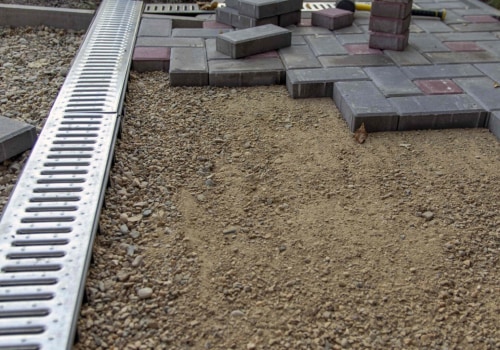
- Metal Edging: Durable and long-lasting, metal edging provides a sleek look and is ideal for modern landscapes. It can withstand harsh weather conditions and heavy foot traffic.
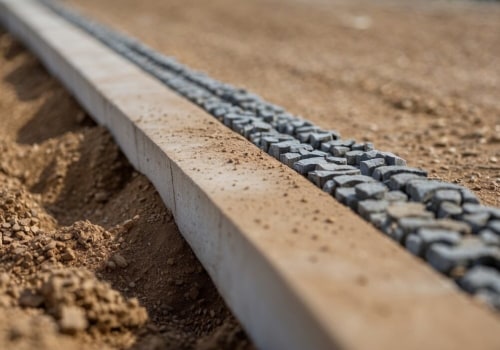
- Concrete Edging: This type involves pouring concrete to create a solid border.
It is highly effective in keeping pavers in place and can be customized in terms of shape and color.
- Wood Edging: Often used in more natural settings, wood edging can blend seamlessly with garden beds. However, it may require more maintenance over time due to rot or insect damage.
The Role of Edging in Paver Installation
When it comes to paver installation, the role of edging cannot be overstated. Edging serves as a crucial component that helps maintain the integrity and appearance of your paved surfaces over time.Without proper edging, pavers can shift, settle unevenly, or even become dislodged, leading to costly repairs and maintenance.
Importance of Edging
- Stability: Edging provides a solid boundary that keeps pavers in place, preventing them from moving due to foot traffic, weather conditions, or soil erosion.
- Visual Appeal: A well-defined edge enhances the aesthetic appeal of your installation, creating a clean and polished look that complements your landscape design.
- Weed Control: Edging can help deter weed growth by creating a barrier that limits the ability of weeds to encroach on your paved area.
Benefits of Using Edging
- Longevity: By providing structural support, edging extends the lifespan of your paver installation, ensuring that it remains functional and attractive for years to come.
- Ease of Maintenance: With proper edging in place, maintenance tasks such as cleaning and repairing become more manageable, as the pavers are less likely to shift out of alignment.
- Cost-Effectiveness: Investing in quality edging materials can save you money in the long run by reducing the need for frequent repairs and replacements.
Is Edging Necessary for All Paver Installations?
When considering paver installation, the question of whether edging is necessary often arises. The answer largely depends on the specific circumstances of the project.When Edging is Essential
Edging plays a crucial role in several scenarios:- High Traffic Areas: In locations where foot or vehicle traffic is frequent, edging helps maintain the integrity of the paver layout, preventing shifting and displacement.
- Sloped Surfaces: On sloped installations, edging is vital to keep pavers in place and to prevent erosion or sliding.
- Complex Designs: For intricate patterns or designs, edging provides a clean border that enhances aesthetics and ensures that the pavers remain aligned.
Situations Where Edging May Not Be Necessary
Conversely, there are instances where edging might not be required:- Small Patios or Walkways: In smaller installations, the weight of the pavers may be sufficient to hold them in place without additional support.
- Stable Ground Conditions: If the ground is particularly stable and well-compacted, the risk of shifting may be minimal, making edging less critical.
- Natural Borders: In some designs, natural elements like grass or gravel can serve as a border, reducing the need for formal edging.
Common Edging Materials and Their Pros and Cons
When considering paver installation, the choice of edging material can significantly impact both the aesthetics and functionality of your project.Here, we explore some common edging materials along with their respective pros and cons.
Plastic Edging
Plastic edging is a popular choice due to its affordability and ease of installation. It is lightweight and flexible, making it suitable for various landscape designs.- Pros: Cost-effective, easy to install, resistant to rot and insects.
- Cons: Can become brittle over time, may not provide the same level of support as heavier materials.
Metal Edging
Metal edging, often made from aluminum or steel, offers a sleek and modern look. It is durable and can withstand harsh weather conditions.- Pros: Long-lasting, provides a clean edge, resistant to rust (especially aluminum).
- Cons: Higher initial cost, can be more challenging to install compared to plastic.
Stone Edging
For a natural and rustic appearance, stone edging is an excellent option. It blends well with outdoor environments and can be very durable.- Pros: Aesthetic appeal, highly durable, can add value to your property.
- Cons: More expensive than other options, requires more labor for installation.
Concrete Edging
Concrete edging is another robust option that can be molded into various shapes.It provides a solid barrier for pavers.
- Pros: Extremely durable, customizable shapes and sizes, effective at preventing grass encroachment.
- Cons: Higher cost, requires professional installation for best results.
How to Install Edging for Pavers
Installing edging for pavers is a crucial step that enhances both the aesthetics and functionality of your paved area. Here’s a detailed guide on how to install paver edging effectively.Materials Needed
- Paver edging stones or plastic edging
- Landscape fabric (optional)
- Gravel or sand
- Rubber mallet
- Level
- Measuring tape
- Shovel
- String line and stakes
Installation Steps
- Plan Your Layout: Before you start, determine the shape and size of your paved area. Use a measuring tape and string line to outline the edges.
- Excavate the Area: Dig a trench along the marked outline, ensuring it is deep enough to accommodate the edging material.
A depth of about 4-6 inches is typically sufficient.
- Add a Base Layer: Pour a layer of gravel or sand into the trench to create a stable base. This will help with drainage and prevent shifting.
- Place the Edging: Begin placing your edging stones or plastic edging into the trench. Ensure they are aligned with your layout and level them using a rubber mallet.
- Secure the Edging: If using plastic edging, drive stakes into the ground at regular intervals to hold it in place. For stone edging, backfill with soil or gravel to secure them.
- Check for Level: Use a level to ensure that all pieces are even.
Adjust as necessary before proceeding.
- Add Finishing Touches: Once everything is in place, fill in any gaps with soil or gravel, and compact it down to ensure stability.
Tips for Installing Edging
- Choose the Right Material: Select edging that complements your pavers and suits your landscape design.
- Consider Drainage: Ensure that your edging allows for proper water drainage to prevent pooling around your pavers.
- Maintain Consistency: Keep the height and alignment consistent throughout the installation for a professional look.
Frequently Asked Questions About Edging and Paver Installation
When considering paver installation, many homeowners and landscapers have questions about the necessity of using edging. Here are some common queries and their answers:- Do I need edging for pavers?
While it is not strictly necessary to use edging for paver installation, it is highly recommended. Edging helps to keep the pavers in place, preventing them from shifting or spreading over time. This is especially important in areas with heavy foot traffic or where vehicles may drive over the pavers. - What types of edging are available?
There are several types of edging materials you can choose from, including:- Plastic edging: Lightweight and easy to install, plastic edging is a popular choice for DIY projects.
- Metal edging: Durable and long-lasting, metal edging provides a clean look and is ideal for more formal landscapes.
- Concrete or stone edging: For a more permanent solution, concrete or stone can be used to create a robust border that complements the pavers.
- How does edging affect drainage?
Properly installed edging can help manage water runoff by directing it away from the paver surface.This is crucial in preventing erosion and maintaining the integrity of your paver installation.
- Can I install pavers without edging?
Yes, you can install pavers without edging; however, doing so may lead to issues such as shifting or uneven surfaces over time. If you choose to forgo edging, ensure that your base is well-compacted and that you regularly maintain the area.
Conclusion: The Bottom Line on Edging for Paver Installation
In conclusion, the use of edging in paver installation is not merely a matter of aesthetics; it plays a crucial role in the overall integrity and longevity of your paved surfaces. Throughout this article, we have explored several key benefits that highlight the necessity of incorporating edging into your installation process.- Stability: Edging provides essential support to pavers, preventing them from shifting or settling unevenly over time.
This stability is vital for maintaining a level surface that can withstand foot traffic and weather conditions.
- Weed Control: By creating a barrier, edging helps to minimize weed growth between pavers, reducing maintenance efforts and enhancing the visual appeal of your installation.
- Defined Boundaries: Edging clearly delineates the paved area from surrounding landscapes, which not only improves aesthetics but also helps to keep mulch and soil in place.
- Drainage Management: Properly installed edging can assist in directing water runoff away from the paved area, thereby reducing the risk of erosion and damage.