Paver installation is a popular choice for homeowners looking to enhance their outdoor spaces. With a variety of materials available, including concrete, brick, and natural stone, pavers offer both aesthetic appeal and functional durability. Each type of paver comes with its own unique characteristics, allowing homeowners to select the perfect option that aligns with their design vision and practical needs. For instance, concrete pavers are known for their versatility and cost-effectiveness, while natural stone pavers provide a luxurious look that can elevate any landscape.The benefits of pavers extend beyond their visual charm.
They are designed to withstand heavy foot traffic and harsh weather conditions, making them an ideal choice for patios, walkways, and driveways. Additionally, pavers allow for efficient water drainage, reducing the risk of flooding and erosion in your yard. This combination of durability and functionality makes paver installation a wise investment for any property owner.However, the journey doesn’t end once the pavers are installed. To maintain their beauty and longevity, proper cleaning and maintenance practices are essential.
Understanding how to care for your pavers will not only preserve their appearance but also ensure they continue to perform well over time. In the following sections, we will explore effective strategies for maintaining and cleaning your newly installed pavers, ensuring they remain a stunning feature of your home for years to come.
Why Maintenance is Important for Pavers
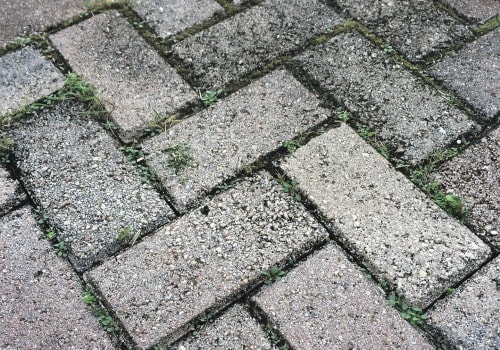
Maintaining and cleaning pavers after installation is crucial for several reasons. First and foremost, regular maintenance significantly extends the lifespan of your pavers. Over time, dirt, debris, and organic matter can accumulate in the joints and on the surface, leading to potential damage.By keeping your pavers clean, you prevent the growth of weeds and moss that can compromise their structural integrity.Another important aspect of paver maintenance is aesthetic appeal. Clean and well-maintained pavers enhance the overall look of your outdoor space. Whether it’s a patio, walkway, or driveway, dirty or stained pavers can detract from the beauty of your landscape. Regular cleaning helps maintain their original color and texture, ensuring that your investment continues to look its best.Moreover, safety is a critical factor in maintaining pavers.
Accumulated debris can create slippery surfaces, especially when wet, posing a risk for slips and falls. By routinely cleaning your pavers, you not only improve their appearance but also ensure a safer environment for family and guests.In summary, the importance of maintaining and cleaning pavers cannot be overstated. It contributes to their longevity, enhances aesthetic appeal, and promotes safety. By investing time in proper care, you can enjoy the benefits of your paver installation for many years to come.
Initial Cleaning After Paver Installation
After the completion of paver installation, it is crucial to perform an initial cleaning to ensure that your pavers look their best and are protected from potential damage.This process not only enhances the aesthetic appeal but also prepares the surface for future maintenance.
Steps for Initial Cleaning:
- Remove Excess Material: Begin by clearing away any excess sand, dirt, or debris that may have accumulated during the installation process. Use a broom or a leaf blower to gently sweep the surface without scratching the pavers.
- Rinse with Water: Using a garden hose, rinse the pavers thoroughly. This will help remove any remaining dust or particles. Ensure that you use a gentle spray to avoid displacing the sand between the pavers.
- Use a Mild Detergent: If there are stubborn stains or residues, mix a mild detergent with water and apply it to the affected areas.
Use a soft-bristle brush to scrub gently, taking care not to damage the surface of the pavers.
- Final Rinse: After scrubbing, rinse the area again with clean water to remove any soap residue. This step is essential as leftover detergent can lead to slippery surfaces.
Post-Installation Care:
Once the initial cleaning is complete, consider applying a sealant after the pavers have fully dried. This will provide an additional layer of protection against stains and weathering. Regular maintenance, including periodic cleaning and resealing, will help keep your pavers in optimal condition for years to come.By following these steps for cleaning pavers after installation, you can ensure that your outdoor space remains beautiful and functional right from the start.
Regular Maintenance Practices for Pavers
Maintaining the beauty and functionality of your pavers after installation is crucial for their longevity.Regular maintenance practices not only enhance the aesthetic appeal but also prevent costly repairs in the future. Here are some essential tips for regular paver maintenance.
- Routine Sweeping: One of the simplest yet most effective ways to maintain your pavers is through regular sweeping. This helps remove dirt, debris, and leaves that can accumulate over time. Aim to sweep your pavers at least once a week, especially during the fall when leaves are more likely to gather.
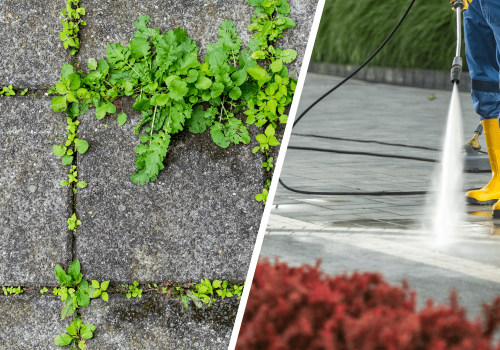
- Weed Control: Weeds can easily find their way between pavers, disrupting their appearance and potentially causing damage.
Regularly inspect your paver surfaces for any signs of weed growth. If you spot any, remove them promptly by hand or use a suitable herbicide to prevent them from spreading.
- Power Washing: Every few months, consider power washing your pavers to remove stubborn stains and grime. Use a pressure washer with a fan tip nozzle to avoid damaging the surface. This method is particularly effective for removing oil stains or moss that may develop over time.
- Sealing Pavers: Applying a sealant is an excellent way to protect your pavers from moisture and stains.
Depending on the type of sealant used, this should be done every 1-3 years. Sealing not only enhances the color of your pavers but also makes cleaning easier.
- Regular Inspections: Make it a habit to inspect your pavers regularly for any signs of shifting or settling. Addressing these issues early can prevent more significant problems down the line. If you notice any loose pavers, re-level them as needed.
By incorporating these practices into your routine, you can ensure that your pavers remain in excellent condition for years to come. Remember, a little effort goes a long way in preserving the quality and appearance of your outdoor spaces.
Cleaning Techniques for Different Types of Pavers
Maintaining the appearance and longevity of your pavers requires understanding the specific cleaning techniques suited for each type. Here, we delve into effective methods for cleaning concrete, brick, and stone pavers.Cleaning Concrete Pavers
Concrete pavers are durable but can accumulate dirt and stains over time. To clean them effectively:- Regular Sweeping: Use a broom to remove debris and prevent dirt buildup.
- Pressure Washing: For deeper cleaning, a pressure washer can be used.
Set it to a low setting to avoid damaging the surface.
- Stain Removal: For oil or grease stains, apply a degreaser specifically designed for concrete. Allow it to sit for 10-15 minutes before scrubbing with a stiff brush.
Cleaning Brick Pavers
Brick pavers offer a classic look but require careful cleaning to maintain their color and integrity:- Gentle Scrubbing: Use a soft-bristle brush with warm soapy water to scrub the surface gently.
- Vinegar Solution: For tough stains, mix equal parts of vinegar and water. Apply it to the stained area, let it sit for a few minutes, then scrub.
- Sealing: After cleaning, consider applying a sealant to protect against future stains and enhance color.
Cleaning Stone Pavers
Stone pavers, while beautiful, can be more susceptible to damage if not cleaned properly:- Avoid Harsh Chemicals: Use mild detergents or stone-specific cleaners to avoid etching the surface.
- Soft Cloths or Mops: Clean with soft cloths or mops rather than abrasive tools that could scratch the stone.
- Regular Maintenance: Regularly check for moss or algae growth and treat with appropriate solutions to prevent slipping hazards.
Dealing with Stains and Tough Spots on Pavers
Maintaining the beauty of your pavers after installation involves addressing stains and tough spots that can detract from their appearance. Common culprits include oil, rust, and algae, each requiring specific methods for effective removal.Removing Oil Stains
Oil stains can be particularly stubborn.To tackle them:
- Act quickly: The sooner you address the stain, the easier it will be to remove.
- Use absorbent materials: Sprinkle baking soda or cornstarch on the stain to absorb excess oil. Let it sit for at least 30 minutes before sweeping it away.
- Apply a degreaser: Use a commercial degreaser or a mixture of dish soap and warm water. Scrub the area with a stiff brush, then rinse thoroughly with water.
Tackling Rust Stains
Rust stains can occur from metal furniture or tools left on pavers. To remove rust:- Use a rust remover: Look for products specifically designed for rust removal on stone surfaces.
- Create a paste: Mix baking soda with water to form a paste.
Apply it to the rust stain and let it sit for 30 minutes before scrubbing and rinsing.
Eliminating Algae and Mold
Algae and mold thrive in damp conditions, leading to slippery surfaces. To keep your pavers clean:- Use a pressure washer: A pressure washer can effectively remove algae buildup. Ensure you use the appropriate nozzle to avoid damaging the pavers.
- Create a vinegar solution: Mix equal parts of white vinegar and water in a spray bottle. Spray the affected areas, let it sit for 15 minutes, then scrub and rinse.
Regular cleaning and prompt attention to stains will ensure your outdoor space remains inviting and beautiful.
Seasonal Maintenance Tips for Pavers
Maintaining and cleaning pavers is essential to ensure their longevity and aesthetic appeal. Seasonal changes can significantly impact the condition of your pavers, so it’s important to adapt your maintenance routine accordingly.Winter Maintenance for Pavers
During the winter months, snow and ice can accumulate on your pavers, leading to potential damage. Here are some tips for winter maintenance:- Shoveling Snow: Use a plastic shovel to remove snow from your pavers. Metal shovels can scratch the surface.
- De-icing Agents: Avoid using rock salt, as it can harm the paver material.
Instead, opt for sand or a pet-safe de-icer.
- Drainage: Ensure that drainage systems are clear to prevent water from pooling and freezing on the surface.
Spring Cleaning Tips for Pavers
As winter fades, it’s time to give your pavers a thorough cleaning:- Power Washing: Use a power washer to remove dirt, grime, and any remaining salt residue. Be cautious with the pressure setting to avoid damaging the pavers.
- Weed Control: Inspect the joints for weeds and remove them manually or with a weed killer designed for paver surfaces.
- Joint Sand Replacement: After cleaning, replenish the joint sand to maintain stability and prevent shifting.
Summer Care for Pavers
The summer heat can also affect your pavers. Here’s how to keep them in top shape:- Regular Sweeping: Sweep away debris regularly to prevent stains and discoloration.
- Stain Removal: Address any spills immediately with a gentle cleaner suitable for your paver type.
- Sealing: Consider applying a sealant every few years to protect against UV rays and moisture.
Frequently Asked Questions About Paver Maintenance
Maintaining and cleaning pavers is essential for preserving their appearance and longevity.Here are some frequently asked questions regarding paver maintenance that can help you keep your outdoor spaces looking their best.
What is the best way to clean pavers?
The best way to clean pavers depends on the type of stains or dirt present. For general cleaning, a mixture of warm water and mild detergent can be effective. Use a stiff-bristled broom or a pressure washer on a low setting to remove dirt and debris. For tougher stains, consider using specialized paver cleaners that are safe for your specific type of paver.How often should I clean my pavers?
It is recommended to clean your pavers at least once a year to prevent the buildup of dirt, algae, and moss.However, if your pavers are in high-traffic areas or exposed to heavy rainfall, you may need to clean them more frequently—every six months is ideal in such cases.
Can I use bleach to clean my pavers?
While bleach can effectively remove mold and mildew, it is not always the best choice for cleaning pavers. Bleach can damage the surface of some pavers and harm surrounding plants. Instead, opt for eco-friendly cleaners that are specifically designed for paver installation surfaces.How do I prevent weeds from growing between my pavers?
To prevent weeds, consider applying a polymeric sand between the joints after installation. This type of sand hardens when wet, creating a barrier against weed growth.Regularly inspecting and maintaining the joints will also help keep weeds at bay.
What should I do if my pavers become uneven?
If you notice unevenness in your pavers, it may be due to settling or shifting over time. To address this issue, you can lift the affected pavers, add or adjust the base material beneath them, and then reset them in place. Regular maintenance checks can help identify these issues early.By addressing these common questions about cleaning pavers, you can ensure that your outdoor spaces remain beautiful and functional for years to come.Conclusion: Key Takeaways on Paver Maintenance and Cleaning
In conclusion, maintaining and cleaning your pavers after installation is essential for ensuring their longevity and aesthetic appeal. By following the right practices, you can keep your paver surfaces looking pristine and functional for years to come.Regular Maintenance
Establishing a routine maintenance schedule is crucial.This includes:
- Regular sweeping: Remove debris, leaves, and dirt to prevent staining and growth of weeds.
- Weed control: Use appropriate herbicides or manual removal to keep your paver joints clear.
- Sealing: Consider applying a sealant every few years to protect against stains and enhance color.
Cleaning Techniques
When it comes to cleaning, the method you choose can significantly impact the appearance of your pavers:- Pressure washing: A powerful tool for deep cleaning, but use it cautiously to avoid damaging the surface.
- Soap and water: For routine cleaning, a mixture of mild soap and water can effectively remove dirt without harsh chemicals.
- Stain removal: Address stains promptly with appropriate cleaners tailored for specific substances like oil or rust.