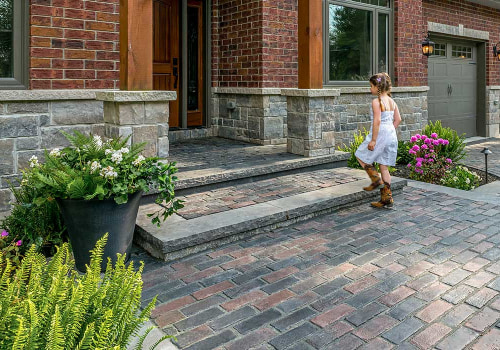
Paver patios have become a popular addition to modern backyards, offering both aesthetic appeal and practical functionality. Unlike poured concrete, pavers provide flexibility in design, allowing homeowners to create customized layouts that suit their lifestyle. Whether used for dining, entertaining, or relaxation, a well-designed paver patio transforms an underutilized yard into a versatile outdoor living space. The interlocking nature of pavers also makes them durable and resistant to cracking, ensuring long-term performance even in changing weather conditions. By clearly defining outdoor zones, paver patios help organize backyard activities and make the space more enjoyable for everyday use.
Improving Functionality Through Smart Design
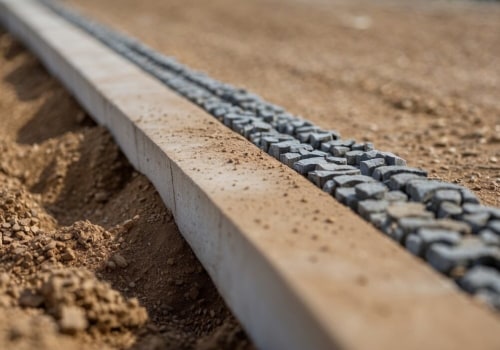
One of the key advantages of paver patios is their ability to enhance backyard functionality through thoughtful design. Homeowners can incorporate features such as seating areas, fire pits, and outdoor kitchens directly into the patio layout. This creates a cohesive environment where different activities can take place without feeling crowded or disorganized. Additionally, pavers can be installed on various terrains, making them suitable for both flat and sloped yards. Proper planning ensures that the patio not only looks appealing but also supports practical needs such as foot traffic, furniture placement, and accessibility. The result is a backyard that feels like a natural extension of the home.
Airflow and Ventilation Considerations
Airflow is an often-overlooked factor when designing outdoor spaces, yet it plays a crucial role in comfort and usability. Paver patios, when designed correctly, can promote better airflow by allowing for strategic placement of open areas and structures. Unlike solid concrete slabs, pavers have small gaps between them that can aid in natural drainage and reduce heat buildup. Positioning the patio to align with prevailing wind patterns can further enhance ventilation, keeping the area cool during warmer months. For covered patios or pergolas, integrating features such as ceiling fan installation in McKinney can significantly improve air circulation, ensuring that the space remains comfortable even on hot days.
Managing Heat and Surface Temperature
Another important consideration is how paver patios affect surface temperature and overall heat management. Certain paver materials, such as lighter-colored stones, reflect sunlight rather than absorbing it, helping to keep the patio cooler underfoot. Additionally, the spacing between pavers allows heat to dissipate more effectively compared to continuous surfaces. Incorporating shade elements like umbrellas, pergolas, or landscaping can further reduce heat exposure and improve comfort. By combining these strategies, homeowners can create a patio that remains usable throughout the day, even during peak sunlight hours.
Drainage and Environmental Benefits
Paver patios also contribute to improved drainage and environmental sustainability. The permeable nature of many paver systems allows water to pass through the surface and into the ground, reducing runoff and minimizing the risk of flooding. This feature is particularly beneficial in areas prone to heavy rainfall, as it helps maintain the integrity of the patio while protecting surrounding landscaping. Proper drainage design ensures that water is directed away from the home’s foundation, preventing potential damage. These environmental benefits make paver patios a practical and eco-friendly choice for backyard improvements.
Creating a Balanced Outdoor Space
Ultimately, paver patios enhance backyard functionality by combining design flexibility, durability, and improved airflow. By considering factors such as layout, ventilation, heat management, and drainage, homeowners can create an outdoor space that is both comfortable and efficient. Thoughtful integration of these elements ensures that the patio serves as a welcoming and functional area for relaxation and entertainment. With the right approach, a paver patio becomes more than just a surface—it becomes a central feature that elevates the entire backyard experience.