Paver installation is a popular choice for homeowners looking to enhance their outdoor spaces, providing both aesthetic appeal and functional durability. Whether you're considering a new patio, driveway, or walkway, understanding the paver installation process is crucial. One of the most common questions that arise during this planning phase is: how long does it typically take to install pavers? The answer can vary significantly based on several factors, including the size of the area, the type of pavers chosen, and the complexity of the design. Generally, a straightforward paver installation can take anywhere from a few days to a week. However, this timeline can be influenced by weather conditions, site preparation requirements, and whether any additional features—such as drainage systems or landscaping—are included in the project.
For instance, if your installation involves intricate patterns or requires extensive excavation, you might find that the paver installation time extends beyond the initial estimates. As we delve deeper into this topic, we will explore the various stages of the paver installation process and provide insights into what you can expect at each step. By understanding these elements, you can better prepare for your project and ensure that your outdoor space is transformed efficiently and effectively.
Factors Influencing Paver Installation Time
When considering paver installation, several key factors can significantly influence the overall duration of the project. Understanding these elements can help homeowners and contractors alike set realistic timelines and expectations.- Site Preparation: The condition of the installation site plays a crucial role in determining how long the process will take. If the area requires extensive grading, excavation, or removal of existing materials, this can add considerable time to the project.
Proper site preparation is essential for ensuring a stable base for the pavers.
- Weather Conditions: Weather can be unpredictable, and adverse conditions such as rain, snow, or extreme heat can delay paver installation. Wet conditions can make it difficult to work with materials, while extreme heat may require breaks to ensure worker safety and material integrity.
- Type of Pavers: The choice of pavers also affects installation time. For instance, larger pavers may cover more area quickly but can be heavier and more challenging to handle. Conversely, smaller pavers might be easier to manage but require more intricate laying patterns, which can extend the installation duration.
- Experience of the Installer: The skill level and experience of the installation team are critical factors.
A seasoned professional will likely complete the job more efficiently than a less experienced crew. Their familiarity with various materials and techniques can streamline the process.
- Design Complexity: The complexity of the design also impacts installation time. Simple patterns may be laid down quickly, while intricate designs with curves or multiple colors require more planning and precision, thus taking longer to complete.
Typical Timeframes for Different Types of Paver Projects
When considering paver installation, understanding the typical timeframes for different types of projects is crucial for effective planning. Each type of paver project has its own unique requirements and timelines.Paver Driveway Installation Time
Installing a paver driveway generally takes between 2 to 5 days, depending on the size and complexity of the design. For a standard two-car driveway, the process typically involves:- Site preparation: This includes excavation and leveling, which can take 1 to 2 days.
- Base installation: Laying down a solid base of gravel or sand usually requires an additional day.
- Paver laying: The actual installation of pavers can take 1 to 2 days, depending on the pattern and size of the area.
Patio Paver Installation Duration
The installation of a patio with pavers usually takes about 1 to 3 days. Factors influencing this timeframe include:- Size of the patio: Larger patios will naturally require more time.
- Design complexity: Intricate patterns or borders may extend the installation time.
Walkway Paver Installation Time
A walkway paver installation is generally the quickest among these projects, taking around 1 to 2 days.The steps include:
- Excavation and leveling: This can be completed in half a day.
- Paver installation: Depending on the length and design, this can take another half to full day.
Step-by-Step Process of Paver Installation
Installing pavers is a meticulous process that involves several key steps to ensure a durable and aesthetically pleasing result. Understanding the paver installation process can help homeowners anticipate the timeline and prepare accordingly.- Planning and Design: The first step in the paver installation process is to plan the layout. This includes selecting the type of pavers, determining the area to be paved, and creating a design that complements your landscape. Considerations such as drainage and accessibility should also be factored in during this phase.
- Site Preparation: Once the design is finalized, the next step is site preparation.
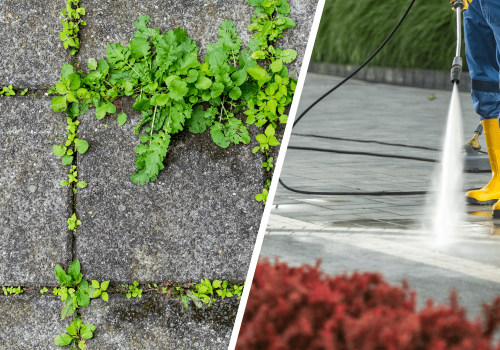
This involves clearing the area of any existing vegetation, debris, or old pavement. The ground must then be leveled and compacted to create a stable base for the pavers.
- Base Installation: A solid base is crucial for the longevity of your paver installation. Typically, a layer of crushed stone or gravel is spread over the prepared area, followed by compaction to ensure stability. This base layer should be about 4-6 inches deep.
- Edge Restraints: To keep the pavers in place and prevent shifting, edge restraints are installed around the perimeter of the paved area.
These can be made from plastic, metal, or concrete and are essential for maintaining the integrity of your design.
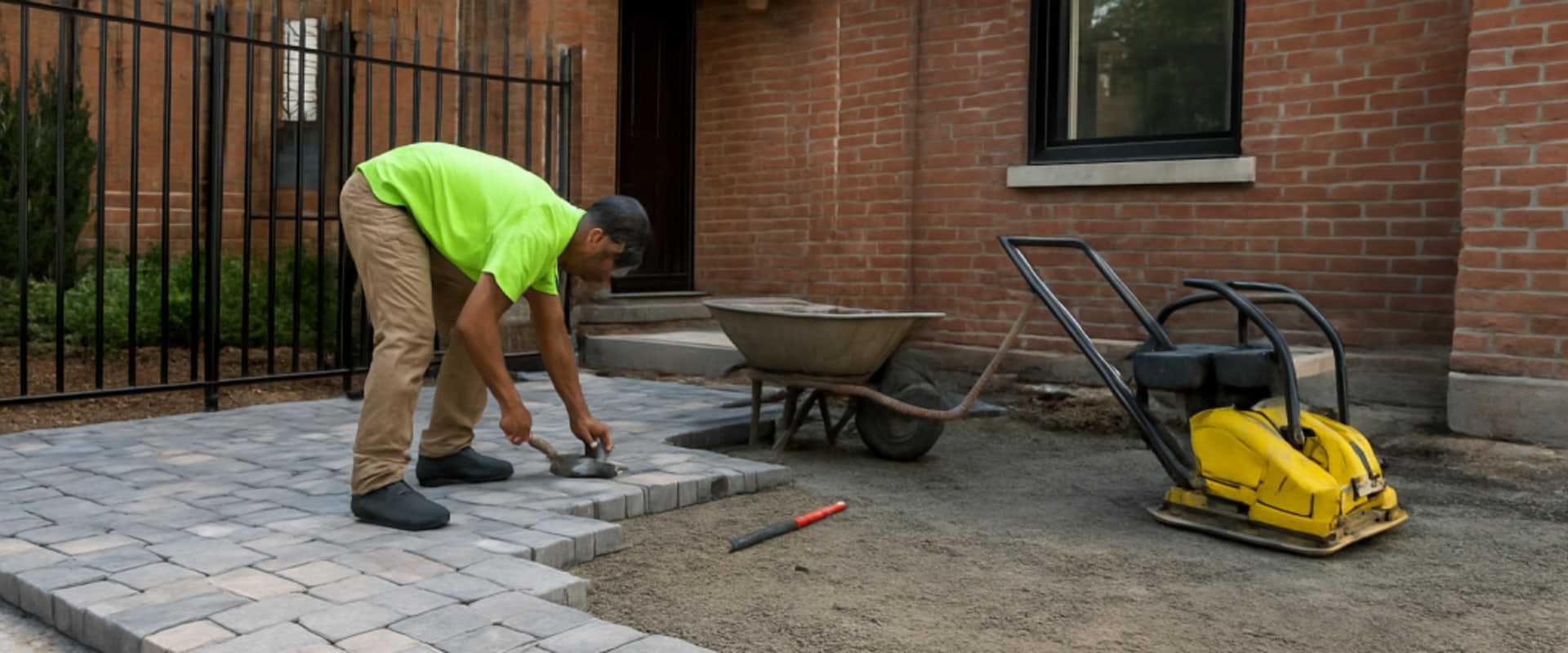
- Paver Placement: With the base and edge restraints in place, it’s time to lay down the pavers. Start from one corner and work your way across, ensuring that each paver is level and fits snugly against its neighbors. Use spacers if necessary to maintain consistent gaps for sand filling.
- Joint Sand Application: After all pavers are laid, joint sand is swept into the gaps between them. This helps lock the pavers in place and prevents weed growth.
It’s important to use polymeric sand for added durability.
- Final Compaction: The last step involves compacting the entire surface with a plate compactor. This ensures that all pavers are securely set in place and helps settle the joint sand into its proper position.
Common Delays in Paver Installation and How to Avoid Them
When planning a paver installation, it's essential to be aware of potential delays that can impact your project timeline. Understanding these common issues can help you take proactive measures to avoid them.- Weather Conditions: Inclement weather, such as rain or extreme heat, can significantly delay the installation process.
It's advisable to check the weather forecast and schedule your project during a season known for stable conditions.
- Site Preparation: Inadequate site preparation can lead to unexpected delays. Ensure that the area is cleared of debris, vegetation, and any existing structures before the installation begins. This may involve excavation or leveling, which should be completed ahead of time.
- Material Availability: Delays in the delivery of pavers or other materials can halt progress. To avoid this, order your materials well in advance and confirm delivery dates with your supplier.
- Labor Issues: If you're hiring a contractor, ensure they have a reliable team available for your project.
Labor shortages or scheduling conflicts can lead to delays. Discuss timelines upfront and consider having a backup plan in case of unforeseen circumstances.
- Create a Detailed Plan: Outline every step of the installation process, including timelines for each phase. A clear plan helps keep everyone on track.
- Communicate Effectively: Maintain open lines of communication with your contractor and suppliers. Regular updates can help identify potential issues before they become significant delays.
- Be Flexible: While it's important to stick to a schedule, being adaptable can help you navigate unexpected challenges without derailing the entire project.
Frequently Asked Questions About Paver Installation Time
When considering paver installation, one of the most common questions is, "how long does it take to install pavers?" The answer can vary significantly based on several factors, including the size of the area, the type of pavers being used, and the complexity of the design. On average, a professional team can complete a standard residential paver installation in about one to three days.This timeframe includes preparation, laying the pavers, and finishing touches. However, larger projects or intricate designs may extend this timeline to a week or more.
Factors Affecting Installation Time
- Site Preparation: Proper site preparation is crucial and can take additional time. This includes clearing the area, leveling the ground, and ensuring proper drainage.
- Paver Type: Different types of pavers (concrete, brick, natural stone) have varying installation times. For instance, interlocking pavers may require more precise placement than standard concrete slabs.
- Weather Conditions: Rain or extreme temperatures can delay installation.
It's best to schedule work during mild weather for optimal results.
- Experience of the Installer: A skilled team will work more efficiently than less experienced workers. Hiring professionals can often speed up the process.
Quick Paver Installation Tips
- Plan Ahead: Have a clear design and layout before starting to minimize delays.
- Choose the Right Materials: Select pavers that are easy to handle and install.
- Consider Pre-Installation Work: Completing any necessary groundwork before the installation day can save time.
Conclusion: Key Takeaways on Paver Installation Timeframes
In summary, understanding the timeframe for paver installation is crucial for planning your outdoor project effectively. Several factors influence how long the installation will take, including the size of the area, the type of pavers chosen, and the complexity of the design. Typically, a straightforward installation can take anywhere from one to three days. However, larger or more intricate projects may extend this timeline significantly.Here are some key takeaways to consider:
- Project Size: Larger areas require more time for preparation and installation. A small patio may be completed in a day, while a driveway could take several days.
- Type of Pavers: Different materials have varying installation times. For instance, concrete pavers might be quicker to install than natural stone due to their uniformity.
- Site Preparation: Proper site preparation is essential and can add to the overall timeline. This includes excavation, grading, and ensuring proper drainage.
- Weather Conditions: Adverse weather can delay installation.
Rain or extreme temperatures may necessitate rescheduling.