Paver installation is a popular choice for homeowners looking to enhance their outdoor spaces. This method involves laying interlocking stones or bricks to create durable and aesthetically pleasing surfaces for patios, walkways, and driveways. The appeal of pavers lies not only in their versatility and design options but also in their ability to withstand various weather conditions while requiring minimal maintenance. One of the key benefits of paver installation is the immediate transformation it brings to any landscape. With a wide range of colors, shapes, and sizes available, pavers can be customized to fit any style, from rustic charm to modern elegance.
Additionally, pavers are designed to allow water drainage, reducing the risk of flooding and erosion in your yard. This makes them an environmentally friendly option that promotes sustainability. However, the success of a paver project heavily relies on proper preparation of the ground before installation. Skipping this crucial step can lead to uneven surfaces, shifting stones, and ultimately costly repairs. Understanding the importance of ground preparation not only ensures a stable foundation but also maximizes the longevity and performance of your paver installation.
In the following sections, we will delve deeper into the necessary steps for preparing your site and how they contribute to a successful paver project.
The Importance of Ground Preparation
When it comes to paver installation, the significance of proper ground preparation cannot be overstated. The foundation upon which your pavers rest plays a crucial role in determining their overall performance and longevity. Here are several reasons why preparing the ground is essential:- Stability: A well-prepared base ensures that the pavers remain stable over time. Without adequate preparation, pavers can shift, crack, or become uneven, leading to an unsightly and unsafe surface.
- Drainage: Proper ground preparation allows for effective drainage.
If the ground is not graded correctly, water can pool on the surface or seep beneath the pavers, causing erosion and instability. A well-drained area helps prevent water damage and extends the life of your installation.
- Longevity: Investing time in ground preparation can significantly enhance the lifespan of your paver installation. By creating a solid foundation, you reduce the risk of future repairs and replacements, saving you both time and money in the long run.
Whether you are laying a patio, walkway, or driveway, investing in proper ground preparation will yield significant returns in durability and appearance.
Steps to Prepare the Ground for Paver Installation
Preparing the ground for paver installation is a crucial step that can significantly impact the durability and appearance of your paved surface. Here are the essential steps to ensure your ground is ready:- Assess the Area: Begin by evaluating the area where you plan to install the pavers. Check for any existing vegetation, debris, or uneven surfaces that need to be addressed.
- Clear the Site: Remove all grass, weeds, and any other organic material from the installation area. This can be done using a shovel or a sod cutter for larger areas.
- Excavate the Ground: Dig down to a depth of at least 6 to 8 inches, depending on the type of pavers you are using and the expected load.
This excavation will create space for a base layer that supports the pavers.
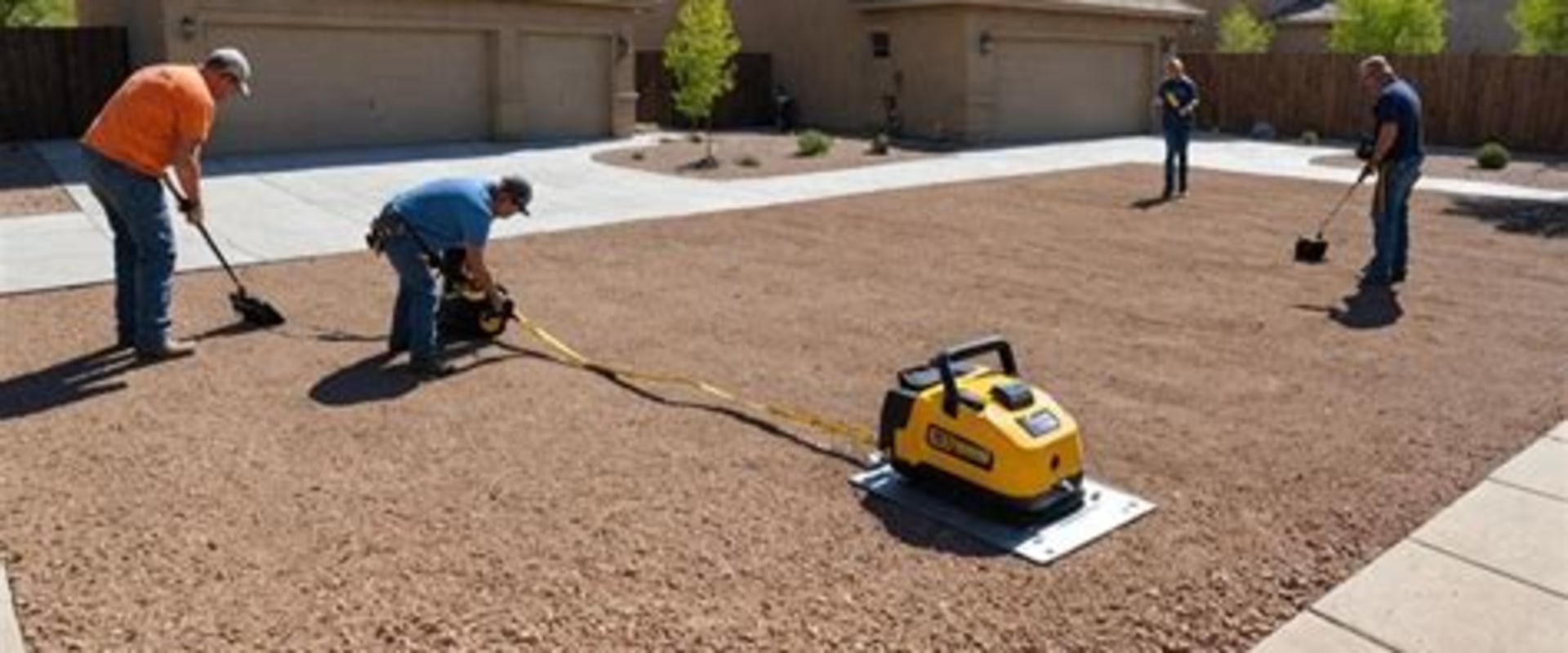
- Install a Base Layer: After excavation, add a layer of crushed stone or gravel. This base layer should be about 4 to 6 inches thick and should be compacted using a plate compactor to create a stable foundation.
- Add a Sand Layer: On top of the compacted base, spread a layer of sand approximately 1 inch thick. This layer will help level the pavers and provide drainage.
- Level the Surface: Use a screed board to level the sand evenly across the area. Ensure that it is smooth and free of any bumps or dips, as this will affect how well your pavers sit.
- Check for Drainage: Ensure that your prepared ground has proper drainage.
The surface should slope away from any structures to prevent water pooling.
Common Mistakes in Ground Preparation
When it comes to paver installation, the groundwork is crucial for ensuring a long-lasting and aesthetically pleasing result. However, many homeowners and DIY enthusiasts make common mistakes during the ground preparation phase that can lead to significant issues down the line.- Neglecting Proper Excavation: One of the most frequent errors is not excavating deep enough. Failing to remove existing grass, roots, or debris can lead to uneven settling and shifting of pavers over time.
- Ignoring Drainage Needs: Proper drainage is essential. Many overlook the need for a slight slope away from structures, which can cause water pooling and damage to both the pavers and the foundation.
- Inadequate Base Material: Using insufficient or inappropriate base material can compromise the stability of your pavers.
A common mistake is not compacting the base layer adequately, which can lead to shifting and cracking.
- Skipping the Leveling Process: Failing to level the ground before laying pavers is another critical error. An uneven surface can result in an unstable installation, making it essential to use a level and ensure a smooth foundation.
- Overlooking Edge Restraints: Not installing edge restraints can lead to paver movement over time. These restraints help keep pavers in place and maintain the integrity of your design.
Additionally, always prioritize drainage solutions and use edge restraints to secure your pavers effectively. By being mindful of these common mistakes, you can achieve a successful installation that stands the test of time.
Tools and Materials Needed for Ground Preparation
Preparing the ground for paver installation is a crucial step that ensures the longevity and stability of your paved surface. To achieve optimal results, having the right tools and materials on hand is essential. Below is a comprehensive list of what you will need.Essential Tools for Ground Preparation
- Shovel: A sturdy shovel is necessary for digging and moving soil.
- Rake: Use a rake to level the ground and remove debris.
- Compactor: A plate compactor or hand tamper is vital for compacting the soil and base material to prevent settling.
- Level: A long level or laser level will help ensure that the ground is even.
- Measuring Tape: Accurate measurements are key to ensuring your pavers fit properly.
- String Line: This helps in marking straight lines for your paver layout.
- Wheelbarrow: Useful for transporting materials like sand and gravel.
Materials Needed for Paver Installation
- Gravel Base: A layer of crushed stone or gravel provides drainage and stability.
- Sand: A layer of sand is used to create a smooth surface for laying pavers.
- Pavers: Choose high-quality pavers that suit your design and functional needs.
- Bedding Material: This can be sand or stone dust, which helps in leveling the pavers.
- Edging Material: To keep the pavers in place, consider using plastic or metal edging.
Proper ground preparation not only enhances the aesthetic appeal but also extends the lifespan of your paved area, making it a worthwhile investment of time and resources.
FAQs About Paver Installation and Ground Preparation
When considering paver installation, many homeowners have questions about the necessity of ground preparation. Here are some frequently asked questions that can help clarify this important aspect:- Why is ground preparation important for paver installation?
Ground preparation is crucial because it ensures a stable and level base for the pavers. Without proper preparation, pavers may shift, crack, or settle unevenly over time, leading to costly repairs. - What does ground preparation involve?
Ground preparation typically involves several steps, including: - Clearing the area of vegetation and debris.
- Excavating the soil to the appropriate depth.
- Compacting the soil to create a solid foundation.
- Adding a layer of gravel or sand for drainage and leveling.
- Can I skip ground preparation if my yard seems level?
Even if your yard appears level, it’s essential to perform ground preparation. Soil can be deceptive; it may have hidden inconsistencies that could affect the stability of your pavers. - How deep should I excavate for paver installation?
The depth of excavation depends on the type of pavers and the intended use of the area.Generally, a depth of 6 to 8 inches is recommended for pedestrian traffic, while driveways may require deeper excavation.
Conclusion: The Key Takeaways on Ground Preparation for Pavers
In conclusion, preparing the ground before paver installation is not just a recommendation; it is a crucial step that can significantly impact the longevity and stability of your paved surface. Here are the key takeaways:- Soil Assessment: Understanding the type of soil in your area is essential. Different soils have varying drainage capabilities and compaction properties, which can affect how well your pavers perform over time.
- Proper Excavation: Removing existing grass, roots, and debris ensures that the base for your pavers is solid.
This step prevents future shifting and settling, which can lead to uneven surfaces.
- Base Material: Installing a proper base layer, typically composed of crushed stone or gravel, provides necessary drainage and support. This layer should be compacted thoroughly to create a stable foundation.
- Leveling: Ensuring that the ground is level before laying pavers is vital. An uneven surface can lead to water pooling and increased wear on the pavers.
- Drainage Considerations: Proper drainage systems should be integrated into your design to prevent water accumulation, which can undermine the integrity of the installation.