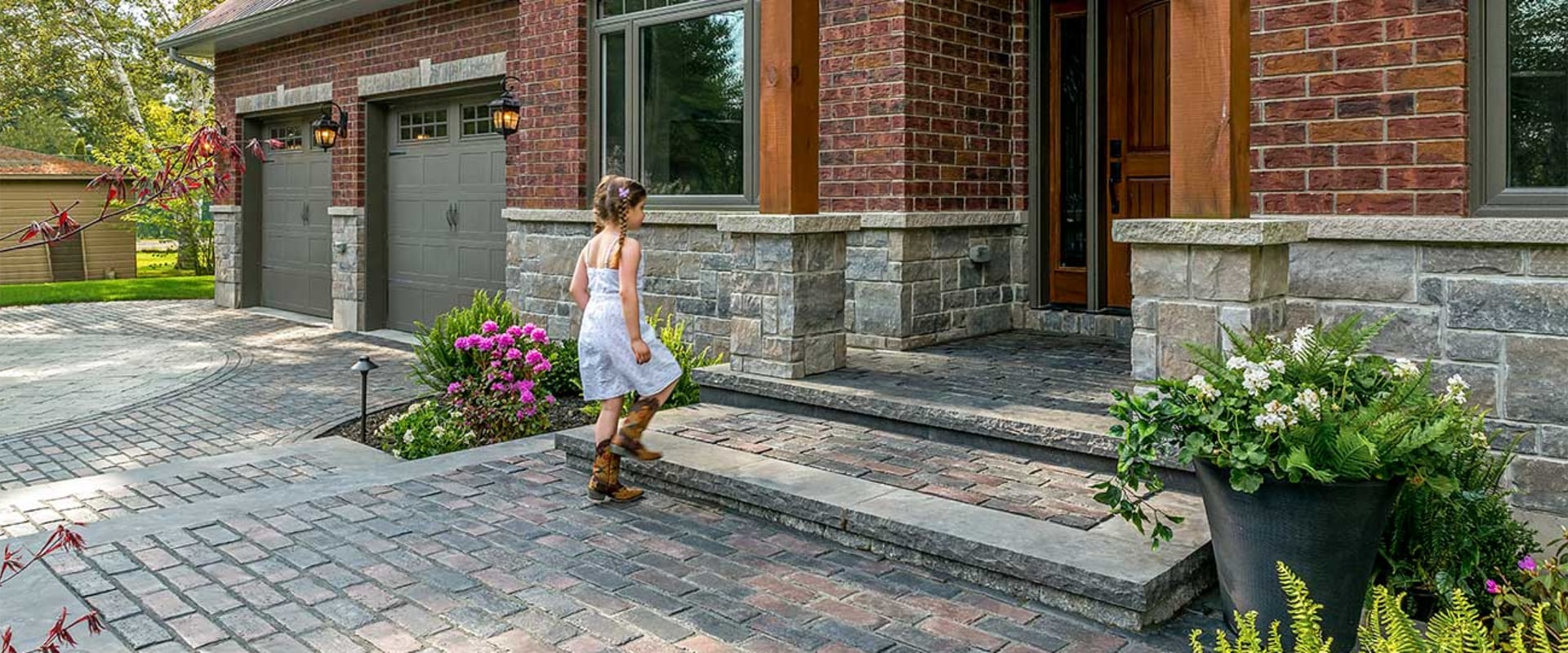
Paver installation is a popular choice for homeowners looking to enhance their outdoor spaces with durability and aesthetic appeal. Understanding the basics of paver installation is essential, especially when dealing with unique surfaces like curves. Pavers come in various materials, including concrete, brick, and natural stone, each offering distinct advantages. For instance, concrete pavers are known for their strength and versatility, while natural stone pavers provide a timeless elegance that can elevate any landscape design. One of the primary benefits of using pavers is their ability to withstand heavy traffic and harsh weather conditions without cracking or fading.
Additionally, they allow for easy repairs; if a paver becomes damaged, it can be replaced individually without disturbing the surrounding area. This flexibility makes pavers an ideal choice for patios, walkways, and driveways. However, the installation process is crucial to ensure longevity and stability, particularly on curved surfaces where precision is key. Properly installed pavers not only enhance the visual appeal of your outdoor space but also contribute to effective drainage and prevent shifting over time. As we delve deeper into the specifics of paver installation, you will discover techniques and tips that will help you achieve a flawless finish on even the most challenging surfaces.
Tools and Materials Needed for Paver Installation
When it comes to paver installation on a curved surface, having the right tools and materials is crucial for achieving a professional finish.Below is a comprehensive list of essential items you will need to ensure a smooth installation process.
Essential Tools
- Rubber Mallet: This tool is vital for gently tapping pavers into place without damaging them. It helps in adjusting the pavers to fit snugly against each other, especially on curves.
- Level: A level ensures that your pavers are installed evenly. For curved surfaces, a long level can help you check the slope and alignment across multiple pavers.
- Measuring Tape: Accurate measurements are key in paver installation. Use a measuring tape to determine the radius of your curve and the spacing between pavers.
- Shovel and Rake: These tools are necessary for preparing the base layer.
A shovel will help you dig out the area, while a rake will level the base material.
- Edge Restraints: Installing edge restraints is essential for maintaining the shape of your curved design. They prevent shifting and keep your pavers in place over time.
Materials Required
- Pavers: Choose pavers that are suitable for your project. Consider materials like concrete, brick, or natural stone, ensuring they can withstand outdoor conditions.
- Base Material: A mixture of crushed stone or gravel is ideal for creating a stable foundation. This material should be compacted to provide a solid base for your pavers.
- Sand: Use sand as a bedding layer beneath the pavers.
It allows for slight adjustments during installation and helps with drainage.
- Jointing Material: After laying the pavers, fill the joints with polymeric sand or another jointing material to lock them in place and prevent weed growth.
Preparing the Site for Paver Installation
Preparing the site for paver installation is a crucial step that can significantly impact the longevity and appearance of your paved surface. Proper site preparation involves several key steps, including clearing the area, leveling the ground, and ensuring adequate drainage.1.Clearing the Area
- Begin by removing any existing grass, weeds, or debris from the area where you plan to install the pavers. This can be done using a shovel or a sod cutter for larger sections.
- Make sure to dig down to a depth of at least 4 to 6 inches to accommodate the base material and pavers.
- If there are any large rocks or roots, remove them as they can interfere with the stability of your paver installation.
2.Leveling the Ground
- Once the area is cleared, it’s essential to level the ground. Use a rake to spread out the soil evenly.
- For curved surfaces, consider using a string line or a level to ensure that your base is even throughout.
This will help maintain a consistent height for your pavers.
- If you find low spots, fill them in with additional soil or gravel and compact it down to create a solid foundation.
3.Ensuring Proper Drainage
- Good drainage is vital for preventing water accumulation under your pavers. Ensure that the ground slopes away from any structures and towards designated drainage areas.
- You may want to install a layer of gravel as a base for better drainage. A depth of 3 to 4 inches of crushed stone can provide excellent support while allowing water to flow through.
Designing Your Curved Paver Layout
Designing a curved paver layout requires careful planning and precision to ensure that the final result is both functional and visually appealing.Here are some essential steps to guide you through the process:
- Measure the Area: Start by measuring the area where you plan to install the pavers. Use a measuring tape to determine the length and width of the space, paying special attention to any curves or angles.
- Mark the Layout: Once you have your measurements, use stakes and string or spray paint to outline the desired shape of your paver installation. This will serve as a visual guide during the installation process.
- Choose Your Paver Pattern: Consider different paver patterns that complement the curves of your layout. Common options include herringbone, basketweave, or running bond.
Each pattern can create a unique look, so choose one that enhances the overall design.
- Use a Flexible Edge Restraint: For curved installations, using a flexible edge restraint can help maintain the shape of your layout. This will prevent shifting and ensure that your pavers stay in place over time.
Planning your paver layout
effectively not only enhances aesthetics but also contributes to the durability of your installation. By taking the time to measure accurately and mark your layout clearly, you set a solid foundation for a successful paver installation on curved surfaces.Step-by-Step Guide to Installing Pavers on Curved Surfaces
Installing pavers on a curved surface can be a rewarding project that enhances the aesthetic appeal of your outdoor space.Follow this step-by-step guide to ensure a successful paver installation.
- Plan Your Design: Before you begin, sketch out your design on paper. Consider the radius of the curve and how the pavers will fit together. This will help you visualize the final look and determine the number of pavers needed.
- Gather Materials: You will need pavers, a base material (like crushed stone), sand, a rubber mallet, a level, and edging materials. Ensure you have all tools ready to avoid interruptions during installation.
- Prepare the Base: Excavate the area where you will install the pavers.
The depth should be about 6-8 inches to accommodate the base material and pavers. Make sure to create a slight slope for drainage.
- Add Base Material: Fill the excavated area with crushed stone or gravel, compacting it as you go. This layer should be about 4-6 inches deep. Use a level to ensure it is even.
- Install Edging: To keep your pavers in place, install edging along the perimeter of your curved area.
This will help maintain the shape and prevent shifting over time.
- Lay Pavers: Start laying your pavers from one end of the curve to the other. Use a rubber mallet to tap them into place gently. For curves, you may need to cut some pavers to fit snugly against the edge. A wet saw or angle grinder can be used for this purpose.
- Add Sand: Once all pavers are laid, spread a layer of sand over the surface and sweep it into the joints between the pavers.
This helps lock them in place and prevents weed growth.
- Compact the Surface: Use a plate compactor to press down on the pavers, ensuring they are firmly set in place. This step is crucial for stability.
- Final Touches: Inspect your work for any uneven areas and make adjustments as necessary. Finally, clean off any excess sand from the surface of the pavers.
Common Mistakes to Avoid During Paver Installation
When it comes to paver installation on curved surfaces, even seasoned DIYers can make mistakes that lead to unsatisfactory results. Here are some common errors to watch out for:- Neglecting Proper Planning: One of the biggest mistakes is failing to plan the layout before starting.
Curved surfaces require careful measurement and design to ensure that the pavers fit snugly without gaps. Take the time to sketch your design and measure accurately.
- Inadequate Base Preparation: A solid base is crucial for any paver installation. Skipping this step or not compacting the base material properly can lead to shifting and settling over time. Ensure that the base is level and well-compacted to support the pavers.
- Using Incorrect Paver Cuts: When working with curves, it’s essential to make precise cuts.
Many DIYers underestimate the importance of cutting pavers correctly, which can result in uneven edges and an unprofessional look. Invest in a quality wet saw for clean cuts.
- Ignoring Drainage Considerations: Proper drainage is vital for any outdoor installation. Failing to account for water runoff can lead to pooling and damage over time. Ensure that your design includes adequate drainage solutions, such as sloping the surface away from structures.
- Overlooking Joint Sand Application: After laying the pavers, many forget to fill the joints with sand properly.
This step is crucial for stability and preventing weed growth. Use polymeric sand for better results, as it hardens and helps keep the pavers in place.
Maintaining Your Curved Paver Surface
Maintaining your curved paver surface is essential for ensuring its longevity and aesthetic appeal. Curved paver installations can be particularly susceptible to issues such as shifting, settling, and weed growth, so regular maintenance is key.Regular Cleaning
To keep your pavers looking their best, regular cleaning is crucial.Here are some tips:
- Remove debris: Regularly sweep away leaves, dirt, and other debris that can accumulate on the surface.
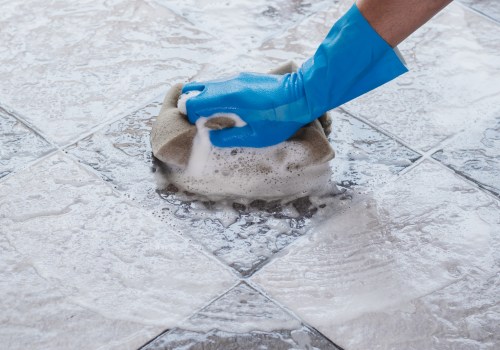
- Power wash: Use a power washer to clean the pavers thoroughly. This helps remove stains and prevents mold or mildew buildup.
- Use appropriate cleaners: For stubborn stains, consider using a paver-safe cleaner that won’t damage the surface.
Weed Control
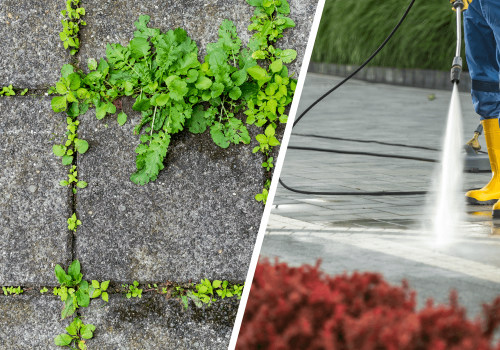
Weeds can easily find their way into the joints of your pavers, especially on curved surfaces. To manage this:- Apply polymeric sand: After installation, fill the joints with polymeric sand to help prevent weed growth.
- Manual removal: Regularly check for and manually remove any weeds that do appear.
Joint Maintenance
The joints between pavers are critical for stability. Here’s how to maintain them:- Replenish joint material: Over time, the sand or polymeric material in the joints may wash away.
Refill as needed to maintain structural integrity.
Seasonal Care
Different seasons can affect your paver surface in various ways:- Winter precautions: In colder climates, avoid using salt for ice melting as it can damage the pavers. Instead, use sand or kitty litter for traction.
- Summer upkeep: Ensure proper drainage during heavy rains to prevent erosion around the curves of your installation.
FAQs About Paver Installation on Curved Surfaces
When it comes to paver installation on curved surfaces, many homeowners and DIY enthusiasts have questions. Here are some of the most frequently asked questions that can help guide you through the process.What types of pavers are best for curved surfaces?
For curved surfaces, flexible pavers such as those made from rubber or certain types of concrete are ideal.These materials can easily conform to the shape of the curve without cracking or breaking. Additionally, interlocking pavers can provide a stable surface while allowing for slight adjustments during installation.
How do I prepare the base for paver installation on a curve?
Preparing the base is crucial for a successful paver installation. Start by excavating the area to a depth of at least 6-8 inches. Then, create a compacted base using crushed stone or gravel.Ensure that the base follows the curve's contour and is level to prevent shifting over time.
Can I use standard installation techniques for curved surfaces?
While many standard techniques apply, you may need to adjust your approach slightly. For instance, when laying pavers on a curve, it’s essential to use a string line or a template to maintain the desired shape. This will help ensure that your pavers fit snugly and maintain their alignment.What tools do I need for installing pavers on a curved surface?
- Paver saw: Essential for cutting pavers to fit curves.
- Trowel: Useful for spreading sand and leveling.
- Rubber mallet: Helps in setting pavers without damaging them.
- Level: Ensures that your installation is even.
- Measuring tape: Important for accurate measurements.
How do I maintain my paver installation on a curved surface?
Regular maintenance is key to preserving your paver installation. This includes:- Weeding: Keep weeds at bay by regularly checking for growth between pavers.
- Sealing: Consider sealing your pavers every few years to protect against stains and weathering.
- Cleaning: Use a pressure washer or mild detergent to clean your pavers periodically.
Conclusion: Key Takeaways for Successful Paver Installation
In conclusion, achieving a successful paver installation on a curved surface requires careful planning and execution.Here are the key takeaways to ensure your project is a success:
- Planning is Essential: Before you begin, take the time to measure and plan your design. Consider the radius of the curve and how it will affect the layout of your pavers.
- Choose the Right Materials: Select pavers that are suitable for curved installations. Flexible pavers or those designed for intricate patterns can enhance both aesthetics and functionality.
- Prepare the Base Properly: A solid base is crucial for any paver installation. Ensure that the ground is well-compacted and level, as this will prevent shifting and settling over time.
- Use a String Line: To maintain a consistent curve, use a string line as a guide during installation.
This will help you keep your pavers aligned and evenly spaced.
- Cutting Pavers: Be prepared to cut pavers to fit the curve. A wet saw or a masonry saw can provide clean cuts, ensuring that your installation looks professional.
- Check for Level: As you lay each paver, regularly check for levelness. This will help avoid uneven surfaces that can lead to water pooling or tripping hazards.
- Finishing Touches: Once all pavers are installed, fill the joints with sand and compact them to lock everything in place. This final step is vital for durability and stability.
Remember, attention to detail during each phase of the process will yield the best results.