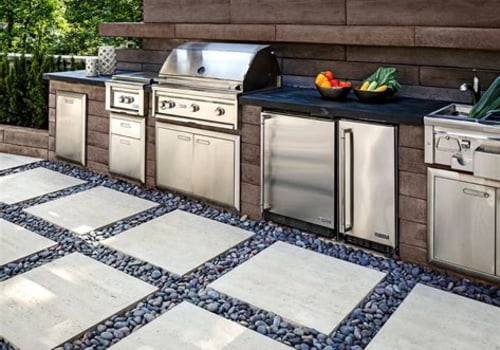
Paver installation is a popular choice for homeowners looking to enhance their outdoor spaces.
Pavers
are versatile, durable, and aesthetically pleasing materials that can transform driveways, patios, and walkways. Made from various materials such as concrete, brick, and natural stone, pavers offer a wide range of styles and colors to suit any design preference. Their interlocking design not only provides a stable surface but also allows for easy repairs and maintenance, making them an ideal option for both new constructions and renovations.One of the significant advantages of paver installation is the ability to install them over existing surfaces like concrete or asphalt.This method can save time and labor costs while minimizing disruption to your property. By laying pavers on top of these solid foundations, homeowners can achieve a fresh look without the need for extensive excavation or removal of the old surface. Additionally, this approach can improve drainage and reduce the risk of cracking that often occurs with traditional concrete.Beyond their practical benefits, pavers also add value to your home. They create inviting outdoor spaces that can be enjoyed year-round, whether for entertaining guests or simply relaxing in your backyard.
With proper installation and care, pavers can last for decades, making them a worthwhile investment for any homeowner looking to enhance their property’s curb appeal and functionality.
Can Pavers Be Installed on Existing Concrete?
Installing pavers on top of existing concrete is a viable option for homeowners looking to enhance their outdoor spaces without the hassle of removing old surfaces. This method not only saves time but also reduces waste, making it an environmentally friendly choice.Before proceeding with concrete paver installation, several preparations and considerations must be taken into account:- Surface Condition: Ensure that the existing concrete is in good condition. Look for cracks, uneven areas, or significant wear. Minor imperfections can often be addressed with a leveling compound.
- Drainage: Proper drainage is crucial.
If the concrete surface does not allow for adequate water runoff, it may lead to pooling and damage over time. Consider installing a drainage system if necessary.
- Height Considerations: Adding pavers will increase the height of the surface. Be mindful of door thresholds, steps, and adjacent landscaping to avoid creating tripping hazards.
- Base Preparation: While pavers can be installed directly on concrete, adding a layer of sand or gravel can improve stability and help with leveling. This base layer also allows for better interlocking of the pavers.
- Aesthetic Appeal: Pavers come in various colors, shapes, and textures, allowing for greater design flexibility compared to traditional concrete.
- Durability: Pavers are designed to withstand heavy loads and resist cracking, making them a long-lasting option.
- Easy Repairs: If a paver becomes damaged, it can be easily replaced without affecting the surrounding stones.
With proper preparation and consideration of drainage and height issues, homeowners can achieve a beautiful and functional outdoor space that enhances their property value.
Can Pavers Be Installed on Existing Asphalt?
When considering paver installation, many homeowners wonder if they can install pavers directly over existing asphalt. The good news is that it is indeed possible, but there are several factors to consider to ensure a successful installation.Installing pavers on asphalt
can be a practical solution, especially if the asphalt surface is in good condition. Here are some key points to keep in mind:- Surface Condition: Before proceeding, inspect the asphalt for cracks, holes, or significant wear. Minor imperfections can often be repaired, but extensive damage may require resurfacing or removal of the asphalt.
- Preparation: Clean the asphalt thoroughly to remove any debris, oil, or dirt.
This step is crucial as it ensures proper adhesion and stability for the pavers.
- Base Layer: While pavers can be installed directly on asphalt, adding a layer of sand or gravel can enhance drainage and provide a more stable base. This additional layer helps prevent shifting and settling over time.
- Edge Restraints: Installing edge restraints is essential to keep the pavers in place and prevent them from moving. This is particularly important when installing on a flexible surface like asphalt.
They also provide better drainage options compared to traditional asphalt surfaces, reducing the risk of water pooling and potential damage. Additionally, if a paver becomes damaged, it can be easily replaced without needing to redo the entire surface.In conclusion, while asphalt paver installation is feasible, careful planning and preparation are essential for achieving lasting results. By addressing any underlying issues with the asphalt and following best practices for installation, homeowners can enjoy the aesthetic and functional benefits that pavers bring to their outdoor spaces.
Preparation Steps for Installing Pavers Over Existing Surfaces
Before embarking on paver installation over existing concrete or asphalt, it is crucial to ensure that the surface is adequately prepared. Proper surface preparation not only enhances the longevity of the pavers but also ensures a stable and aesthetically pleasing finish.1.Inspect the Existing Surface
- Check for any cracks, holes, or uneven areas in the concrete or asphalt.
These imperfections can affect the stability of the pavers.
- If you find significant damage, consider repairing these areas before proceeding with the installation.
2.Clean the Surface
- Thoroughly clean the existing surface to remove dirt, debris, and any loose materials. A pressure washer can be particularly effective for this task.
- Ensure that any oil stains or other contaminants are treated with appropriate cleaners to prevent them from affecting the adhesion of the pavers.
3.Leveling the Surface
- If there are any low spots, fill them with a suitable leveling compound to create a smooth and even base for your pavers.
- For minor unevenness, a thin layer of sand can be spread over the surface to help achieve a level foundation.
4.Gather Necessary Tools
- A rubber mallet for adjusting paver placement without damaging them.
- A level to ensure that your pavers are installed evenly.
- A trowel for spreading sand or leveling compound.
- A compactor to ensure that the base is solid and well-compacted before laying pavers.
5.Plan Your Layout
- Before laying down your pavers, plan out your design and layout. This will help you visualize how many pavers you need and how they will fit together.
- Consider using a chalk line to mark where your pavers will go, ensuring a straight and organized installation.
Installation Process for Pavers Over Concrete and Asphalt
Installing pavers over existing concrete or asphalt can be a practical solution for enhancing your outdoor space without the need for extensive demolition. Here’s a detailed step-by-step guide to help you through the paver installation process.- Assess the Surface: Before starting, ensure that the existing concrete or asphalt is in good condition.
Look for cracks, uneven areas, or significant damage. If repairs are needed, address these issues first.
- Clean the Surface: Thoroughly clean the area to remove dirt, debris, and any loose materials. A pressure washer can be effective for this task, ensuring a smooth surface for the pavers to adhere to.
- Install a Geotextile Fabric (Optional): To prevent weeds from growing through the pavers, consider laying down a geotextile fabric. This step is optional but can enhance the longevity of your installation.
- Add a Base Layer: Although you are installing over concrete or asphalt, adding a base layer of sand or gravel can help with drainage and provide a more stable foundation.
Spread a layer of sand about 1 inch thick across the surface.
- Lay the Pavers: Begin placing your pavers in your desired pattern. Start from one corner and work your way across the area. Use spacers if necessary to maintain even gaps between pavers.
- Cut Pavers as Needed: For edges and corners, you may need to cut pavers to fit. A wet saw or masonry saw can be used for precise cuts.
- Compact the Pavers: Once all pavers are laid, use a plate compactor to set them into the sand base.
This step ensures that they are secure and helps prevent shifting.
- Add Joint Sand: Finally, sweep polymeric sand into the joints between the pavers. This will help lock them in place and prevent weed growth.
Common Challenges and Solutions in Paver Installation
When considering paver installation over existing concrete or asphalt, several common challenges may arise. Understanding these issues and their solutions can significantly enhance the success of your project.Uneven Surfaces
One of the primary challenges is dealing with uneven surfaces. If the existing concrete or asphalt is cracked or has significant dips, it can lead to an unstable base for the pavers.This instability may cause shifting or settling over time.
- Solution: Before installation, assess the surface thoroughly. Fill in any cracks with a suitable filler and consider using a self-leveling compound to create a smooth base.
Drainage Issues
Another challenge is ensuring proper drainage. Pavers installed over existing surfaces can trap water if not designed with adequate slope, leading to pooling and potential damage.- Solution: Incorporate a slight slope in your paver design to facilitate water runoff. Additionally, consider installing drainage channels or permeable pavers that allow water to pass through.
Adhesion Problems
Adhesion can also be problematic when installing pavers over concrete or asphalt.The bond between the pavers and the existing surface may weaken over time, especially in areas with extreme temperature fluctuations.
- Solution: Use a high-quality adhesive specifically designed for outdoor use. Ensure that both surfaces are clean and free of debris before applying the adhesive.
Weight Considerations
The weight of the pavers themselves can pose a challenge, particularly if the existing surface was not designed to support additional load.- Solution: Evaluate the structural integrity of the existing surface. If necessary, reinforce it before proceeding with paver installation.
Maintenance Tips for Paved Surfaces
Maintaining your newly installed pavers is essential for ensuring their longevity and preserving their aesthetic appeal. With proper care, your paved surfaces can withstand the test of time and continue to enhance your outdoor spaces.Regular Cleaning
- To keep your pavers looking their best, regular cleaning is crucial.
Use a broom or leaf blower to remove debris such as leaves, dirt, and dust.
- For more thorough cleaning, consider using a pressure washer. This method effectively removes stains and grime without damaging the pavers.
Weed Control
- Weeds can be a nuisance in paved areas. To prevent them from sprouting between pavers, apply a polymeric sand during installation, which hardens and helps keep weeds at bay.
- If weeds do appear, remove them promptly by hand or with a weed killer that is safe for use on paver surfaces.
Sealing Pavers
- Consider sealing your pavers after installation. A high-quality sealant can protect against stains, moisture, and UV damage, enhancing the color and finish of the pavers.
- Reapply the sealant every few years to maintain its protective qualities.
Addressing Settling and Shifting
- Over time, pavers may settle or shift due to ground movement or heavy traffic.
Regularly inspect your paved surfaces for any uneven areas.
- If you notice shifting, you may need to lift the affected pavers and re-level them with additional base material before replacing them.
Seasonal Maintenance
- In colder climates, be cautious with de-icing agents as they can damage paver surfaces. Opt for sand or kitty litter for traction instead.
- During fall, ensure that leaves are cleared promptly to prevent staining and mold growth on the pavers.
FAQs About Paver Installation Over Existing Surfaces
When considering paver installation over existing surfaces like concrete or asphalt, several common questions arise. Here are some frequently asked questions to help clarify the process:- Can you install pavers over concrete? Yes, you can install pavers directly over a concrete surface.
This method is often preferred because it provides a stable base, reducing the need for extensive excavation. However, it’s essential to ensure that the concrete is in good condition, free of cracks, and properly cleaned before installation.
- Is it possible to install pavers over asphalt? While it is technically feasible to install pavers over asphalt, it is generally not recommended. Asphalt can shift and settle over time, which may lead to uneven surfaces and potential damage to the pavers. If you choose this route, ensure that the asphalt is level and in good condition.
- What preparation is needed before installation? Proper preparation is crucial for a successful paver installation.
For both concrete and asphalt surfaces, start by cleaning the area thoroughly to remove dirt, debris, and any loose materials. You may also want to consider applying a layer of sand or gravel to improve drainage and provide additional support.
- Will I need a permit for paver installation? Depending on your local regulations, you may need a permit for paver installation. It’s advisable to check with your local building authority to ensure compliance with any zoning laws or regulations.
Conclusion: Key Takeaways on Paver Installation
In conclusion, the feasibility of paver installation over existing concrete or asphalt surfaces is a viable option for many homeowners looking to enhance their outdoor spaces. However, several key considerations must be taken into account to ensure a successful project.- Surface Condition: Before proceeding with paver installation, it is crucial to assess the condition of the existing surface.
Cracks, unevenness, or significant damage may require repairs or even removal of the old surface.
- Drainage: Proper drainage is essential to prevent water pooling and potential damage to the pavers. Ensure that the new paver surface allows for adequate water runoff.
- Base Preparation: A solid base is vital for the longevity of your pavers. If installing over concrete, consider using a sand setting bed to provide a level surface and accommodate any minor imperfections.
- Material Selection: Choose pavers that are suitable for installation over existing surfaces. Some materials may not adhere well or could be prone to shifting if not properly installed.
By doing so, you can achieve a beautiful and durable outdoor area that enhances your property’s value and appeal.