When it comes to paver installation, understanding the foundational elements is crucial for achieving a durable and aesthetically pleasing surface. The process involves more than just laying down stones; it requires careful planning and the right materials to ensure longevity and stability. Among these materials, the choice of base layer is particularly significant, as it directly impacts the performance of the pavers. One material that has gained attention in recent years is geotextile fabric. This innovative solution serves as a barrier between the soil and the base material, providing numerous benefits that can enhance the overall effectiveness of your paver installation.
By preventing soil erosion and allowing for proper drainage, geotextile fabric can help maintain the integrity of the base layer, which is essential for supporting the weight of the pavers and preventing shifting or settling over time. In addition to geotextile fabric, various paver base materials are commonly used, including crushed stone, gravel, and sand. Each of these materials has its own set of advantages and can be selected based on specific project requirements. However, without a proper understanding of how these components work together, even the best materials may not yield the desired results. As we delve deeper into this topic, we will explore whether incorporating geotextile fabric under your base material is necessary and how it can contribute to a successful paver installation.
What is Geotextile Fabric?
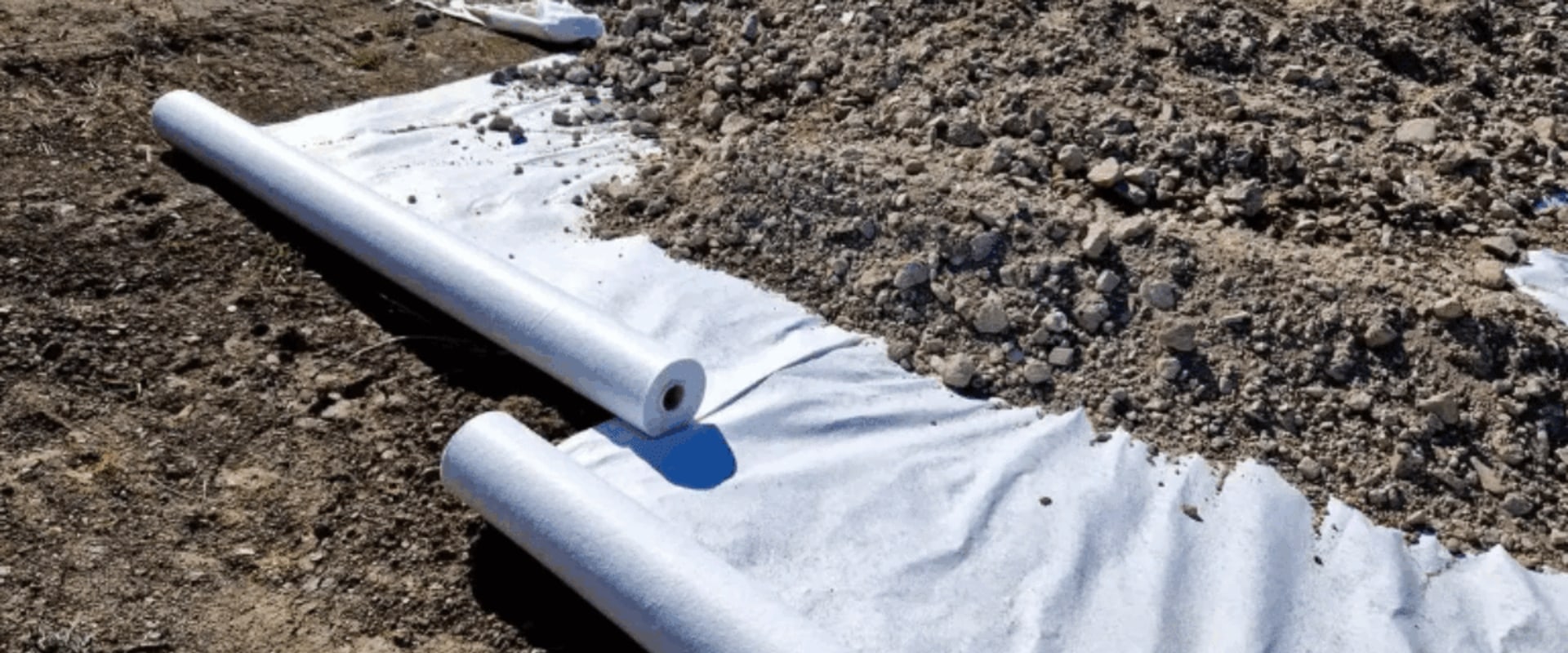
Geotextile fabric is a synthetic material used in various construction and landscaping applications.It is designed to enhance the performance of soil and other materials by providing separation, filtration, drainage, and reinforcement. Typically made from polypropylene or polyester, geotextiles are engineered to withstand environmental stresses while maintaining their structural integrity.
Types of Geotextile Fabric
- Woven Geotextiles: These fabrics are made by weaving together strands of fibers, creating a strong and durable material. They are often used for applications requiring high tensile strength, such as erosion control and road construction.
- Non-Woven Geotextiles: Produced by bonding fibers together through mechanical, thermal, or chemical means, non-woven geotextiles are more flexible and permeable. They are commonly used for drainage and filtration purposes.
- Composite Geotextiles: These combine the properties of both woven and non-woven fabrics, offering enhanced performance for specific applications.
They can provide both strength and filtration capabilities.
Uses of Geotextile Fabric
The uses of geotextile fabric in construction and landscaping are diverse:- Separation: Geotextiles prevent the mixing of different soil layers, which can lead to instability in structures like roads and pavements.
- Filtration: They allow water to pass through while retaining soil particles, making them ideal for drainage systems.
- Erosion Control: By stabilizing soil on slopes and embankments, geotextiles help prevent erosion caused by wind and water.
- Reinforcement: In applications like paver installation, geotextiles can provide additional support to the base material, enhancing the overall durability of the surface.
The Importance of Base Material in Paver Installation
When it comes to paver installation, the choice of base material is crucial for achieving a stable and long-lasting surface. The base material serves as the foundation that supports the weight of the pavers and helps distribute loads evenly, preventing shifting and settling over time.Types of Base Material
- Crushed Stone: This is one of the most common base materials used in paver installation. Crushed stone provides excellent drainage and compaction, making it ideal for supporting pavers.
- Gravel: Similar to crushed stone, gravel allows for good drainage.
However, it may not compact as tightly, which can lead to movement if not properly installed.
- Sand: While sand can be used as a base material, it is often recommended as a leveling layer on top of a more stable base like crushed stone. Sand alone may not provide sufficient support.
- Concrete Base: In some cases, a concrete slab can be used as a base for pavers. This option offers maximum stability but may require additional drainage considerations.
Additionally, proper drainage is essential to prevent water accumulation, which can lead to erosion and damage over time.In summary, understanding the different types of base materials and their significance in paver installation is vital for any successful project. Investing time in choosing the right base will pay off in the long run by enhancing the durability and appearance of your paved surfaces.
Do You Need Geotextile Fabric Under Base Material?
When considering paver installation, one common question arises: do you need to use geotextile fabric under the base material? The answer largely depends on the specific conditions of your project, including soil type, drainage needs, and the intended use of the paved area.Benefits of Using Geotextile Fabric
- Separation: Geotextile fabric acts as a barrier between the soil and the base material, preventing mixing. This separation helps maintain the integrity of the base layer, ensuring that it remains stable over time.
- Drainage: The fabric allows water to pass through while filtering out soil particles. This drainage capability is crucial in preventing water accumulation, which can lead to erosion or shifting of pavers.
- Weed Control: By using geotextile fabric, you can reduce weed growth beneath your pavers.
This not only enhances the aesthetic appeal but also minimizes maintenance efforts.
When to Use Geotextile Fabric
While geotextile fabric offers several advantages, it may not be necessary in every situation. Here are some scenarios where its use is recommended:
- If you are installing pavers on unstable or loose soil, geotextile fabric can provide additional support and prevent settling.
- In areas with high moisture levels or poor drainage, using geotextile can help manage water flow and reduce potential damage.
- If your project involves heavy traffic or load-bearing applications, incorporating geotextile fabric can enhance the durability of the installation.
Benefits of Using Geotextile Fabric in Paver Installation
When it comes to paver installation, the choice to use geotextile fabric can significantly enhance the overall performance and longevity of your project. Here are some key benefits of incorporating geotextile fabric into your installation process:- Improved Drainage: Geotextile fabrics allow water to flow through while preventing soil particles from washing away.
This characteristic helps maintain proper drainage beneath the pavers, reducing the risk of water pooling and potential damage.
- Soil Stabilization: By acting as a barrier between the soil and the base material, geotextile fabric helps stabilize the ground. This stabilization is crucial in preventing shifting or settling of the pavers over time, ensuring a level and durable surface.
- Weed Control: One of the common issues faced in paver installations is weed growth between the stones. Geotextile fabric can inhibit weed germination by blocking sunlight and creating a physical barrier, thus reducing maintenance efforts.
- Cost-Effectiveness: While there is an initial investment in geotextile fabric, its benefits can lead to long-term savings. By minimizing repairs and maintenance due to improved drainage and stabilization, homeowners can save money over time.
- Environmental Benefits: Using geotextile fabric can also contribute to environmental sustainability.
It helps manage stormwater runoff effectively, promoting better water quality and reducing erosion.
Potential Drawbacks of Using Geotextile Fabric
While geotextile fabric can offer several benefits during paver installation, there are also potential drawbacks that should be considered. Understanding these disadvantages can help you make an informed decision about whether to use this material in your project.Cost Considerations
One of the primary drawbacks of using geotextile fabric is the additional cost it incurs. The fabric itself can be expensive, and when combined with other materials needed for paver installation, it may significantly increase the overall budget.For smaller projects or DIY installations, this added expense might not be justifiable.
Installation Complexity
Incorporating geotextile fabric into your paver installation can complicate the process. Proper installation requires careful handling to ensure that the fabric is laid out correctly and does not shift during the placement of pavers. This added complexity may deter some homeowners or contractors from using it, especially if they are inexperienced.Soil Type and Conditions
Another important factor to consider is the type of soil and environmental conditions in your area. In regions with stable, well-draining soils, the benefits of geotextile fabric may be minimal.If the soil does not experience significant erosion or shifting, using geotextile may not provide any substantial advantage. In such cases, it could be more effective to focus on proper base preparation without the added layer of fabric.
Potential for Water Retention
Geotextile fabrics can sometimes trap water beneath the pavers, especially if they are not permeable. This can lead to issues such as mold growth or uneven settling over time. If your installation area is prone to heavy rainfall or flooding, using geotextile fabric without proper drainage solutions could exacerbate these problems.Conclusion
Ultimately, while geotextile fabric can enhance certain aspects of paver installation, it is essential to weigh these potential drawbacks against your specific project needs.Assessing factors such as cost, installation complexity, soil conditions, and water management will help you determine whether incorporating geotextile fabric is a wise choice for your paver project.
Best Practices for Paver Installation with or without Geotextile Fabric
When it comes to paver installation, understanding whether to use geotextile fabric can significantly impact the longevity and stability of your project. Here are some best practices to consider:- Assess the Soil Type: Before deciding on the use of geotextile fabric, evaluate the soil conditions. If you have sandy or well-draining soil, you may not need geotextile. However, for clay or silty soils, using geotextile can help prevent mixing of the base material with the soil.
- Choose the Right Fabric: If you opt for geotextile, select a fabric that is appropriate for your specific application.
Non-woven fabrics are often recommended for drainage, while woven fabrics provide additional strength.
- Prepare the Base Properly: Regardless of whether you use geotextile, ensure that the base is compacted and level. This step is crucial for preventing shifting and settling of pavers over time.
- Install Edging: To maintain the integrity of your paver installation, consider installing edging materials. This will help keep the pavers in place and prevent them from spreading.
- Use a Proper Base Material: A well-graded base material, such as crushed stone or gravel, is essential. If using geotextile, lay it down before adding your base material to enhance stability.
- Plan Your Layout: Before starting, plan your paver layout to minimize cuts and waste.
This will also help in visualizing how the finished project will look.
- Check for Level: As you lay each paver, continuously check for level and alignment. This ensures a professional finish and prevents future issues.
- Compact After Installation: Once all pavers are laid, use a plate compactor to settle them into place. This step helps lock them in and reduces movement.
FAQs About Geotextile Fabric and Paver Installation
When considering paver installation, many homeowners and contractors have questions about the necessity of using geotextile fabric. Here are some frequently asked questions that can help clarify its role:What is geotextile fabric?
Geotextile fabric is a permeable textile material used in construction and civil engineering projects.It serves various purposes, including separation, filtration, drainage, and reinforcement. In the context of paver installation, it can help prevent soil erosion and maintain the integrity of the base material.
Do I need geotextile fabric for paver installation?
The use of geotextile fabric is not always mandatory for paver installation, but it is highly recommended in certain situations. If you are installing pavers on a site with unstable soil or where drainage is a concern, using geotextile fabric can enhance the longevity and stability of your paver project.What are the benefits of using geotextile fabric?
- Soil stabilization: It helps to keep the base material separate from the soil, preventing mixing that can lead to settling.
- Improved drainage: The fabric allows water to flow through while filtering out fine particles, reducing the risk of water pooling.
- Erosion control: It minimizes soil erosion by providing a barrier against wind and water.
Can I install pavers without geotextile fabric?
Yes, you can install pavers without geotextile fabric, especially on stable ground with good drainage. However, omitting it may lead to issues such as shifting or settling over time.If you choose not to use it, ensure that your base material is compacted properly and that you have adequate drainage solutions in place.
How do I install geotextile fabric for pavers?
- Prepare the area by excavating to the required depth.
- Lay down the geotextile fabric over the excavated area, ensuring it overlaps at seams.
- Add your base material on top of the fabric, compacting it as you go.
- Proceed with your paver installation as usual.
Conclusion: Making an Informed Decision on Geotextile Fabric for Pavers
In conclusion, the decision to use geotextile fabric under the base material during paver installation is not one to be taken lightly. Throughout this article, we have explored various factors that influence this choice, including soil type, drainage needs, and the specific application of the pavers.When considering whether to incorporate geotextile fabric, it is essential to weigh the following key points:- Soil Stability: If your installation site has unstable or loose soil, geotextile fabric can provide additional support and prevent shifting.
- Drainage Improvement: Geotextiles can enhance drainage by allowing water to flow through while filtering out fine particles, which is crucial for maintaining the integrity of your paver installation.
- Weed Control: Using geotextile fabric can help inhibit weed growth beneath your pavers, reducing maintenance efforts in the long run.
- Cost vs. Benefit: While there is an initial cost associated with purchasing geotextile fabric, the long-term benefits of durability and reduced maintenance can outweigh these expenses.
By taking these factors into account, you can achieve a successful outcome that meets both aesthetic and functional needs.