When it comes to paver installation, one of the most critical aspects that often gets overlooked is the importance of proper drainage. Without an adequate drainage system, even the most beautifully laid pavers can suffer from a host of issues, including erosion, shifting, and cracking. Understanding the drainage slope is essential not only for the aesthetic appeal of your outdoor space but also for its longevity and functionality. The recommended slope for effective drainage during paver installation typically ranges from 1% to 2%, which translates to a drop of 1 to 2 inches for every 10 feet of paver surface. This slight incline ensures that water flows away from structures and prevents pooling, which can lead to significant damage over time.
By adhering to these paver slope requirements, you can create a durable surface that withstands the elements while maintaining its visual charm. Moreover, understanding the nuances of proper drainage can save you from costly repairs in the future. Water accumulation not only affects the integrity of your pavers but can also lead to issues with underlying soil and base materials. Therefore, investing time in planning your drainage slope during the initial stages of paver installation is crucial for achieving a successful and lasting outdoor project.
The Importance of Proper Drainage in Paver Installation
When it comes to paver installation, the significance of proper drainage cannot be overstated. A well-planned drainage system is essential for ensuring the longevity and functionality of your paved surfaces.Without adequate drainage, water can accumulate, leading to a host of problems that can compromise both the aesthetics and structural integrity of your installation.
Importance of Drainage
- Prevents Erosion: Water pooling around pavers can erode the base material, causing uneven settling and shifting over time.
- Avoids Cracking: Excess moisture can lead to freeze-thaw cycles that crack pavers, especially in colder climates.
- Reduces Weeds: Proper drainage minimizes standing water, which is a breeding ground for weeds that can disrupt the appearance of your paved area.
- Enhanced Durability: Pavers installed with proper slope and drainage are less likely to suffer from damage over time.
- Improved Safety: Adequate drainage reduces the risk of slips and falls caused by wet surfaces.
- Cost-Effectiveness: Investing in proper drainage during installation can save you money on repairs and maintenance in the long run.
Recommended Slope for Paver Installation
When it comes to paver installation, achieving the correct slope is crucial for effective drainage and long-term durability. The recommended slope for pavers is typically between 1% to 2%, which translates to a drop of 1/8 inch to 1/4 inch per foot.This gentle incline ensures that water flows away from structures and prevents pooling, which can lead to erosion and damage over time.To adhere to these paver slope guidelines, consider the following best practices:
- Site Assessment: Before installation, assess the natural topography of the area. Identify any low spots where water may accumulate and plan your slope accordingly.
- Base Preparation: Ensure that the base material is compacted properly. A well-prepared base will help maintain the desired slope and prevent settling.
- Use of Screed Boards: During installation, use screed boards to maintain a consistent slope across the entire surface. This technique helps achieve uniformity and prevents uneven settling.
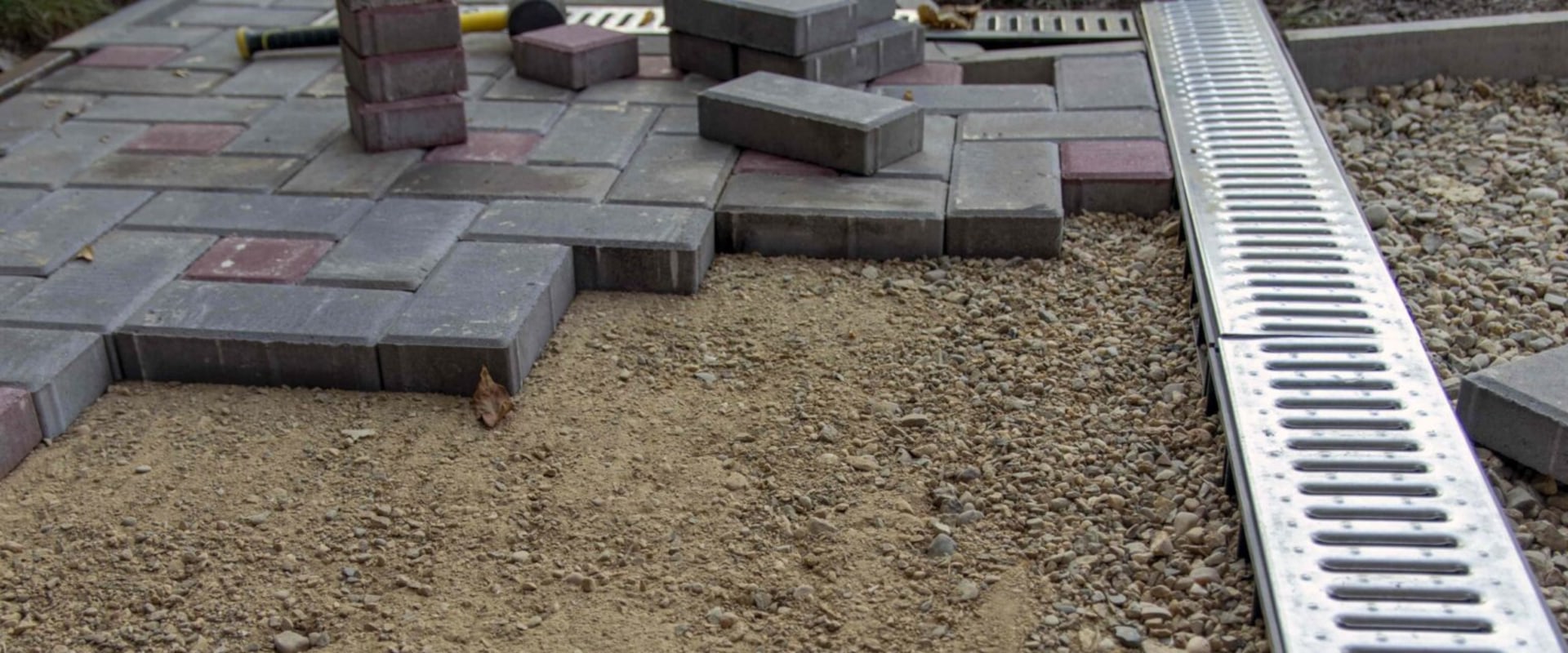
- Drainage Solutions: Incorporate drainage solutions such as French drains or channel drains in areas where water tends to collect.
These systems can enhance the effectiveness of your slope.
Factors Influencing Slope Requirements
When considering paver installation, the required slope for effective drainage is influenced by several key factors. Understanding these factors can help ensure that your installation not only looks great but also functions properly over time.Soil Type
The type of soil in your area plays a significant role in determining the appropriate slope. For instance, sandy soils drain quickly and may require a gentler slope, while clay soils retain water and necessitate a steeper incline to facilitate drainage.It's essential to assess your soil type before deciding on the slope.
Climate Considerations
Your local climate can also impact drainage needs. In regions with heavy rainfall, a steeper slope may be necessary to prevent water pooling and erosion. Conversely, in drier climates, a less aggressive slope might suffice, as there is less concern about water accumulation. Always consider seasonal weather patterns when planning your paver installation.Surface Materials
The materials used for the pavers themselves can affect drainage as well.For example, permeable pavers allow water to pass through, potentially reducing the need for a steep slope. On the other hand, traditional concrete or brick pavers may require a more pronounced incline to ensure proper runoff. Selecting the right materials in conjunction with the slope can enhance overall drainage efficiency. In summary, when planning your paver installation, take into account the soil type, climate conditions, and surface materials to determine the most effective slope for drainage. This tailored approach will help you achieve a durable and functional outdoor space.
Common Mistakes in Paver Installation Drainage
When it comes to paver installation, one of the most critical aspects is ensuring proper drainage.Unfortunately, many homeowners and contractors make common mistakes that can lead to significant issues down the line. Understanding these pitfalls can save time, money, and frustration.
- Insufficient Slope: One of the most frequent errors is not providing an adequate slope for drainage. A minimum slope of 1-2% away from structures is recommended to ensure water flows away from the pavers. Without this slope, water can pool, leading to erosion and damage.
- Poor Base Preparation: Failing to prepare a solid base can result in uneven settling and drainage problems.
A well-compacted base of gravel or sand is essential for effective water management.
- Ignoring Local Drainage Patterns: Each site has unique drainage characteristics. Not considering existing drainage patterns can lead to water pooling in unwanted areas. Always assess the landscape before installation.
- Neglecting Edge Restraints: Edge restraints help maintain the integrity of the paver layout and prevent shifting. Without them, water can seep under the pavers, causing instability and potential damage.
- Overlooking Joint Sand: The sand used in the joints between pavers plays a crucial role in drainage.
Using the wrong type or failing to fill joints properly can lead to erosion and weed growth.
FAQs About Paver Installation and Drainage Slope
When it comes to paver installation, understanding the correct drainage slope is crucial for ensuring longevity and functionality.Here are some frequently asked questions regarding drainage slopes in paver projects:
What is the recommended slope for drainage when installing pavers?
The general recommendation for a proper drainage slope is a minimum of 1% to 2%, which translates to a drop of 1 to 2 inches for every 10 feet of paver surface. This slope helps direct water away from structures and prevents pooling, which can lead to erosion and damage over time.Why is proper drainage important in paver installation?
Proper drainage is essential because it:- Prevents water accumulation: Standing water can weaken the base material and lead to shifting or settling of pavers.
- Avoids mold and mildew: Excess moisture can create an environment conducive to mold growth, which can be harmful to both the pavers and surrounding vegetation.
- Enhances durability: A well-drained surface extends the lifespan of your pavers by reducing freeze-thaw cycles that can cause cracking.
What are common concerns about drainage with paver installations?
Some common concerns include:- Poor water flow: If the slope is not adequate, water may flow towards your home or other structures, leading to potential flooding.
- Soil erosion: Inadequate drainage can erode soil beneath the pavers, causing them to become uneven or unstable.
- Paver shifting: Without proper slope, heavy rains can wash away the base material, resulting in shifting or sinking pavers.
Conclusion: Key Takeaways on Slope and Drainage for Pavers
In summary, achieving the correct slope during paver installation is crucial for ensuring effective drainage and longevity of your paved surfaces. Here are the key takeaways to consider:- Recommended Slope: A slope of at least 1-2% (or 1/8 to 1/4 inch per foot) is generally recommended to facilitate proper water runoff.
- Drainage Considerations: Always assess the surrounding landscape and existing drainage systems to determine the best slope direction. Water should be directed away from structures and into designated drainage areas.
- Base Preparation: Ensure that the base material is compacted and graded correctly before laying pavers.
This foundational work supports the slope and prevents future settling.
- Regular Maintenance: After installation, monitor the paved area for any signs of pooling or inadequate drainage. Regular maintenance can help address issues before they become significant problems.