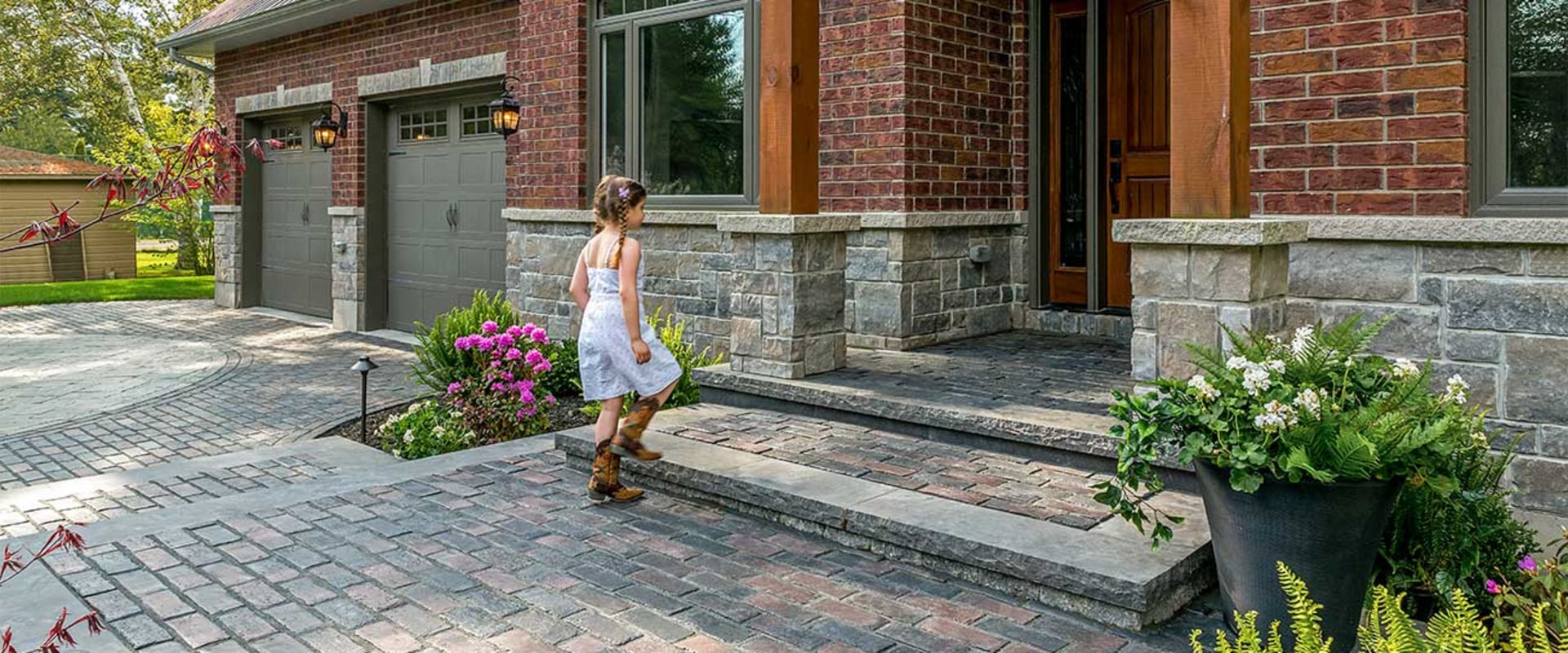
Paver installation is a popular choice for homeowners looking to enhance their outdoor spaces. This method involves laying interlocking stones or bricks to create durable and aesthetically pleasing surfaces for patios, walkways, and driveways. The appeal of paver installation lies not only in its versatility and design options but also in its long-lasting nature when executed correctly. However, the success of any paver project begins with one crucial step: proper ground leveling. Understanding the importance of ground preparation cannot be overstated.
When the ground is uneven or improperly leveled, it can lead to a host of issues, including shifting pavers, drainage problems, and an overall unsightly appearance. By taking the time to ensure a solid foundation, you set the stage for a successful installation that will stand the test of time. The benefits of paver installation extend beyond mere aesthetics; they include increased property value, reduced maintenance costs, and enhanced safety. In this article, we will delve deeper into the intricacies of paver installation, exploring not only how to achieve a perfectly leveled surface but also the various types of pavers available and their unique advantages. Whether you're a DIY enthusiast or planning to hire professionals, understanding these fundamentals will empower you to make informed decisions that elevate your outdoor living experience.
Preparing the Site for Paver Installation
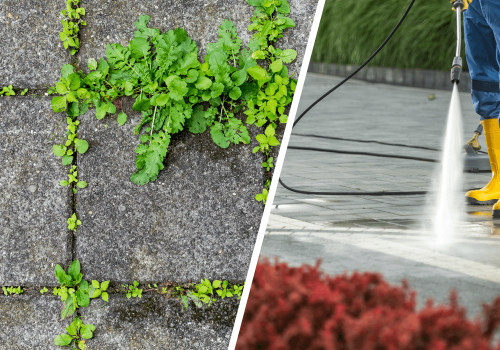
Proper site preparation for pavers is crucial to ensure a stable and long-lasting installation.The first step in this process is to clear the area for pavers. This involves removing any existing grass, plants, or debris that may interfere with the installation. Use a shovel or a sod cutter to effectively remove the top layer of soil and vegetation. Make sure to dispose of this material properly, as it can hinder the leveling process.Once the area is cleared, it’s essential to assess the ground for any large rocks or roots that could disrupt the paver installation.
These should be removed as well, ensuring a smooth surface for your project.Next, you will need to gather the necessary tools for site preparation. Here’s a list of essential tools:
- Sod Cutter: For removing grass and sod efficiently.
- Shovel: Useful for digging and moving soil.
- Rake: To level the ground and spread materials evenly.
- Compactor: A plate compactor is ideal for compacting the base material.
- Level: To ensure that the ground is even and properly graded.
- Tape Measure: For measuring dimensions accurately.
It’s important to create a slight slope away from any structures to prevent water pooling. This can be achieved by adjusting the base material accordingly before laying down your pavers.By following these steps for site preparation, you will set a solid foundation for your paver installation, leading to a durable and aesthetically pleasing result.
Assessing the Ground Conditions
Before embarking on paver installation, it is crucial to thoroughly assess the ground conditions. This evaluation will help ensure a stable and long-lasting surface for your pavers.Understanding Soil Type
- Clay Soil: This type of soil retains water and can become compacted, leading to drainage issues. If your site has clay soil, consider adding a layer of gravel to improve drainage.
- Sandy Soil: Sandy soil drains well but may not provide adequate support for pavers.
It’s advisable to mix in some loam or clay to enhance its stability.
- Loamy Soil: This is the ideal soil type for paver installation, as it balances drainage and compaction, providing a solid foundation.
Evaluating Drainage Considerations
Proper drainage is essential to prevent water pooling and damage to your pavers. Here are some key points to consider:
- Check for any low spots in the area where water might accumulate. These should be filled or graded to promote proper runoff.
- If your site has existing drainage systems, ensure they are functioning correctly and not obstructed by debris or vegetation.
- Consider installing a French drain or similar system if you anticipate significant water flow in the area.
Techniques for Leveling the Ground
Achieving a perfectly level surface is crucial for successful paver installation.Here are some effective techniques to ensure your ground is properly leveled:
- Site Preparation: Begin by clearing the area of any debris, grass, or existing materials. This will provide a clean slate for your leveling process.
- Excavation: Depending on the type of pavers and the intended use, you may need to excavate the ground to a depth of 6 to 8 inches. This allows for a proper base layer.
- Base Layer Installation: After excavation, add a base layer of crushed stone or gravel. This layer should be compacted using a plate compactor to create a solid foundation.
Using a Level
To ensure your surface is level, utilize a leveling tool.A long level or a laser level can help you check the evenness of the ground:
- Long Level: Place the level on top of a straight board laid across the area. Adjust the base material until the bubble in the level is centered.
- Laser Level: Set up a laser level at one end of your project area. Mark the height on stakes around the perimeter and adjust the base material accordingly.
- Lay the screed board across two guides (like pipes or boards) placed at the desired height.
- Drag the screed board across these guides to remove excess material and fill in low spots.
This ensures that any minor adjustments can be made before laying down your pavers, leading to a professional-looking finish that will stand the test of time.
Compacting the Soil: Why It Matters
When it comes to paver installation, one of the most critical steps is compacting the soil. Proper soil compaction ensures a stable foundation, which is essential for preventing future issues such as settling, shifting, or cracking of the pavers. Without adequate compaction, the weight of the pavers and any traffic they bear can lead to uneven surfaces and costly repairs.Importance of Soil Compaction
- Stability: Compacted soil provides a solid base that can support the weight of the pavers and any loads placed on them.
- Drainage: Properly compacted soil helps maintain appropriate drainage, reducing the risk of water pooling and erosion.
- Longevity: A well-compacted base extends the lifespan of your paver installation by minimizing movement and wear over time.
How to Compact Soil Effectively
- Clear the Area: Remove any debris, vegetation, or loose material from the area where you plan to install pavers.
- Add Base Material: If necessary, add a layer of crushed stone or gravel to create a stable base. This material should be at least 4-6 inches deep.
- Moisten the Soil: Lightly moisten the soil before compacting.
This helps achieve better compaction by reducing dust and allowing particles to bind together more effectively.
- Use a Plate Compactor: Rent or purchase a plate compactor for optimal results. Move it in overlapping passes across the area to ensure even compaction.
- Check for Level: After compacting, use a level to ensure that the surface is even. Make adjustments as necessary before proceeding with your paver installation.
Creating a Base Layer for Pavers
Creating a solid base layer is crucial for the longevity and stability of your paver installation.The base layer serves as the foundation that supports the weight of the pavers and helps with drainage, preventing shifting and settling over time.
Materials for Base Layer
- Crushed Stone or Gravel: This is the most common material used for a base layer. It provides excellent drainage and compacts well. A mix of different sizes, typically ranging from 3/4 inch to 1 inch, is ideal.
- Sand: Often used as a leveling agent on top of the crushed stone, sand helps to create a smooth surface for the pavers. However, it should not be the primary base material.
- Geotextile Fabric: This optional material can be laid down before the gravel to prevent weed growth and soil mixing, enhancing the durability of your base layer.
Thickness of Base Layer
The thickness of your base layer is another critical factor.
Generally, a base layer should be at least 4 to 6 inches deep for pedestrian areas and up to 8 inches for driveways or heavier loads. Here’s a simple guideline:
- Paver Patios: 4 inches of compacted gravel followed by 1 inch of sand.
- Paver Walkways: 4 inches of compacted gravel with a thin layer of sand.
- Paver Driveways: 6 to 8 inches of compacted gravel with sand on top.
Final Checks Before Installation
Before you begin your paver installation, it’s crucial to conduct a series of final checks to ensure that the ground is perfectly level and ready for the pavers. These last-minute adjustments can save you time and effort in the long run, preventing issues such as uneven surfaces or drainage problems.- Check for Levelness: Use a long level or a straight board to check the surface.
Place the level on the ground in various locations to identify any low or high spots. If you find any uneven areas, make the necessary adjustments by adding or removing soil.
- Inspect for Compaction: Walk over the area to ensure that the soil is well compacted. If you notice any soft spots, use a plate compactor to firm up those areas. Proper compaction is essential for preventing settling after installation.
- Evaluate Drainage: Ensure that the ground slopes away from any structures to facilitate proper drainage.
A slight slope (about 1-2%) is ideal to prevent water pooling on your new paver surface.
- Remove Debris: Clear the area of any rocks, roots, or debris that could interfere with the paver installation. A clean surface will help ensure that your pavers sit evenly and securely.
- Double-Check Measurements: Re-measure your layout to confirm that all dimensions are accurate. This step is vital for ensuring that your pavers fit together seamlessly and that your design remains intact.
Common Mistakes to Avoid in Paver Installation Preparation
When preparing for paver installation, avoiding common mistakes can save you time, effort, and money.Here are some frequent errors to watch out for:
- Inadequate Ground Preparation: One of the most significant mistakes is not properly clearing the area of debris, vegetation, and topsoil. Failing to do so can lead to uneven settling and shifting of pavers over time.
- Neglecting Drainage: Proper drainage is crucial. Many installers overlook the slope needed for water runoff, which can result in pooling and damage to the pavers. Aim for a slope of at least 1% away from structures.
- Incorrect Base Material: Using the wrong type or insufficient amount of base material can compromise the stability of your pavers.
A solid base typically consists of crushed stone or gravel that is compacted adequately.
- Poor Compaction: Failing to compact the base material thoroughly can lead to uneven surfaces. Use a plate compactor to ensure a solid foundation before laying pavers.
- Ignoring Joint Sand: After installation, many forget to fill the joints with sand. This step is essential for preventing weed growth and stabilizing the pavers.
By being mindful of these common errors, you can achieve a successful and long-lasting paver installation.
Conclusion: Key Takeaways for Successful Paver Installation
In conclusion, achieving a successful paver installation hinges significantly on the proper leveling of the ground. This foundational step not only ensures the aesthetic appeal of your paved area but also enhances its durability and functionality. Here are the key takeaways to remember:- Assess the Site: Before beginning, evaluate the area for any existing vegetation, debris, or uneven surfaces that may affect leveling.
- Excavate Properly: Remove at least 4 to 6 inches of soil to create a stable base. This depth allows for adequate drainage and prevents future settling.
- Use a Compactor: Compact the soil thoroughly after excavation. A well-compacted base minimizes shifting and settling over time.
- Install a Base Layer: Adding a layer of crushed stone or gravel is crucial.
This layer should be leveled and compacted to provide a solid foundation for the pavers.
- Check for Slope: Ensure that the ground slopes away from structures to facilitate proper drainage. A slope of 1-2% is generally recommended.
- Final Leveling: Use a screed board to achieve a smooth, even surface before laying down the pavers. This step is vital for preventing uneven surfaces that can lead to tripping hazards.