Paver installation is a popular choice for homeowners looking to enhance their outdoor spaces. This method involves laying interlocking stones, bricks, or concrete slabs to create durable and aesthetically pleasing surfaces for patios, walkways, and driveways. One of the key aspects of successful paver installation is understanding the surface on which the pavers will be laid. Whether you are working with a flat area or a slope, the preparation and techniques used can significantly impact the longevity and appearance of your project. When considering paver installation, it’s essential to recognize the numerous benefits it offers.
Pavers are not only versatile in design but also provide excellent drainage, reducing the risk of water pooling and erosion. Additionally, they are easy to replace if damaged, making them a practical choice for high-traffic areas. The ability to customize patterns and colors allows homeowners to create unique outdoor spaces that reflect their personal style. However, installing pavers on a slope or uneven surface presents its own set of challenges. Proper grading and base preparation are crucial to ensure stability and prevent shifting over time.
Understanding these factors will help you make informed decisions about your project, ensuring that your investment in paver installation yields beautiful and lasting results.
Can You Install Pavers on a Slope?
Installing pavers on a slope can be a viable option, but it comes with its own set of challenges and considerations. The key to successful paver installation on an incline lies in proper planning and execution.Understanding the Challenges
- Drainage Issues: One of the primary concerns when installing pavers on a slope is ensuring adequate drainage. Water can accumulate on sloped surfaces, leading to erosion and potential damage to the pavers. It’s essential to design a drainage system that directs water away from the installation area.
- Stability: Pavers installed on a slope may shift or settle over time if not properly secured.
Using a solid base material and ensuring that the pavers are interlocked can help maintain stability.
- Accessibility: Steep slopes can make it difficult to access the installation site, complicating the process. Consideration should be given to how materials will be transported and how workers will navigate the area.
Best Practices for Slope Paver Installation
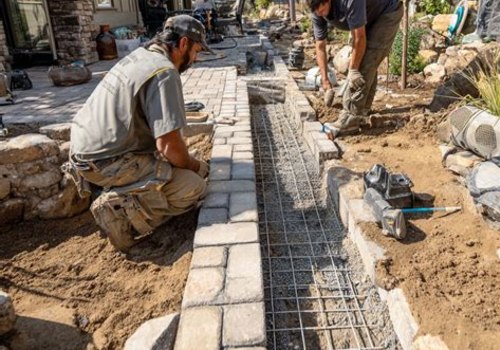
- Prepare the Base: Start by excavating the area to create a stable base. Use gravel or crushed stone to provide proper drainage and support for the pavers.
- Choose the Right Pavers: Opt for pavers designed for sloped applications. Textured or interlocking pavers can provide better grip and reduce the risk of slipping.
- Install with Proper Grading: Ensure that the pavers are installed with a slight slope away from structures to facilitate water runoff.
A grade of 1-2% is typically recommended.
Preparing the Site for Paver Installation on Uneven Surfaces
Preparing the site for paver installation on an uneven surface is crucial to ensure a stable and long-lasting result. Proper site preparation not only enhances the aesthetic appeal but also prevents future issues such as shifting or cracking. Here are the essential steps to follow:- Assess the Area: Begin by evaluating the slope and unevenness of the surface.
Identify high and low points, as well as any drainage issues that may affect the installation.
- Clear the Site: Remove any existing vegetation, debris, or old paving materials. This will provide a clean slate for your new pavers.
- Excavate if Necessary: Depending on the degree of unevenness, you may need to excavate certain areas to create a more level base. Aim for a depth of at least 4-6 inches below the final height of your pavers.
- Add Base Material: Use crushed stone or gravel to fill in low spots and create a stable base. This material should be compacted thoroughly to prevent settling over time.
- Leveling the Ground: Utilize a leveling tool or a long board to ensure that the base is even.
Check for proper slope to facilitate water drainage away from structures.
- Install Edging: To keep your pavers in place, consider installing edging along the perimeter of the area. This will help maintain the shape and prevent shifting.
Techniques for Installing Pavers on Slopes and Uneven Surfaces
Installing pavers on slopes and uneven surfaces can be challenging, but with the right techniques, you can achieve a stable and aesthetically pleasing result. Here are some effective methods to consider:- Grading the Surface: Before laying pavers, it’s essential to grade the area.
This involves leveling out high spots and filling in low areas to create a more uniform surface. Use a shovel and rake to adjust the terrain, ensuring proper drainage away from structures.
- Using a Base Material: A solid base is crucial for paver installation on slopes. Consider using crushed stone or gravel as a base layer. This material provides stability and helps with drainage, reducing the risk of shifting over time.
- Installing Pavers in a Staggered Pattern: For slopes, laying pavers in a staggered pattern can enhance stability.
This technique helps distribute weight evenly and reduces the likelihood of pavers sliding down the slope.
- Incorporating Retaining Walls: If the slope is steep, consider building retaining walls to create level areas for paver installation. These walls can help hold back soil and prevent erosion, making it easier to lay pavers securely.
- Utilizing Edge Restraints: Edge restraints are essential for keeping pavers in place, especially on slopes. They prevent lateral movement and help maintain the integrity of your installation over time.
- Adjusting Paver Thickness: In areas where the ground is uneven, consider using pavers of varying thicknesses. This allows you to fill gaps and create a more level surface without compromising the overall look.
- Using Sand as a Filler: For minor unevenness, sand can be used as a filler between pavers.
This not only helps level the surface but also allows for slight adjustments during installation.
Common Mistakes to Avoid When Installing Pavers on Slopes
Installing pavers on a slope can be a rewarding project, but it also comes with its own set of challenges. To ensure a successful installation, it’s crucial to avoid common mistakes that can lead to structural issues or aesthetic problems.- Neglecting Proper Drainage: One of the most significant errors is failing to account for drainage. Water pooling can undermine the integrity of your paver installation. Always plan for adequate drainage solutions, such as sloping the base material away from structures and incorporating drainage channels.
- Inadequate Base Preparation: A solid foundation is essential for any paver installation, especially on slopes.
Skipping the compaction of the base material can lead to shifting and settling over time. Ensure that the base is well-compacted and level before laying pavers.
- Ignoring Slope Gradients: Not all slopes are created equal. Installing pavers on a steep incline without considering the gradient can result in sliding or shifting. It’s important to assess the slope and adjust your installation technique accordingly, possibly using retaining walls or edging to secure the pavers.
- Using Incorrect Paver Types: Some paver materials are better suited for sloped areas than others.
Avoid using smooth, slippery pavers that may not provide adequate traction. Opt for textured or interlocking pavers that can better withstand the forces of gravity.
- Overlooking Jointing Material: The choice of jointing material can significantly impact the stability of your paver installation. Using sand alone may not be sufficient on slopes; consider polymeric sand or gravel that can help lock the pavers in place and prevent erosion.
Maintenance Tips for Pavers Installed on Slopes or Uneven Surfaces
Maintaining pavers installed on slopes or uneven surfaces requires a tailored approach to ensure their longevity and functionality.Here are some essential maintenance tips to keep your pavers in optimal condition:
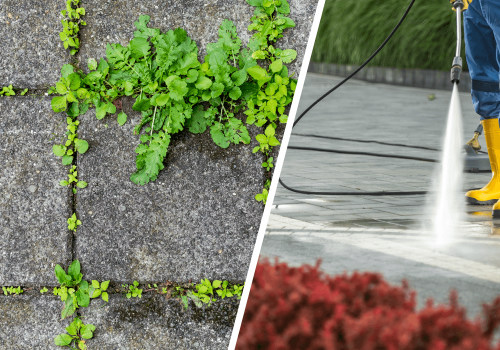
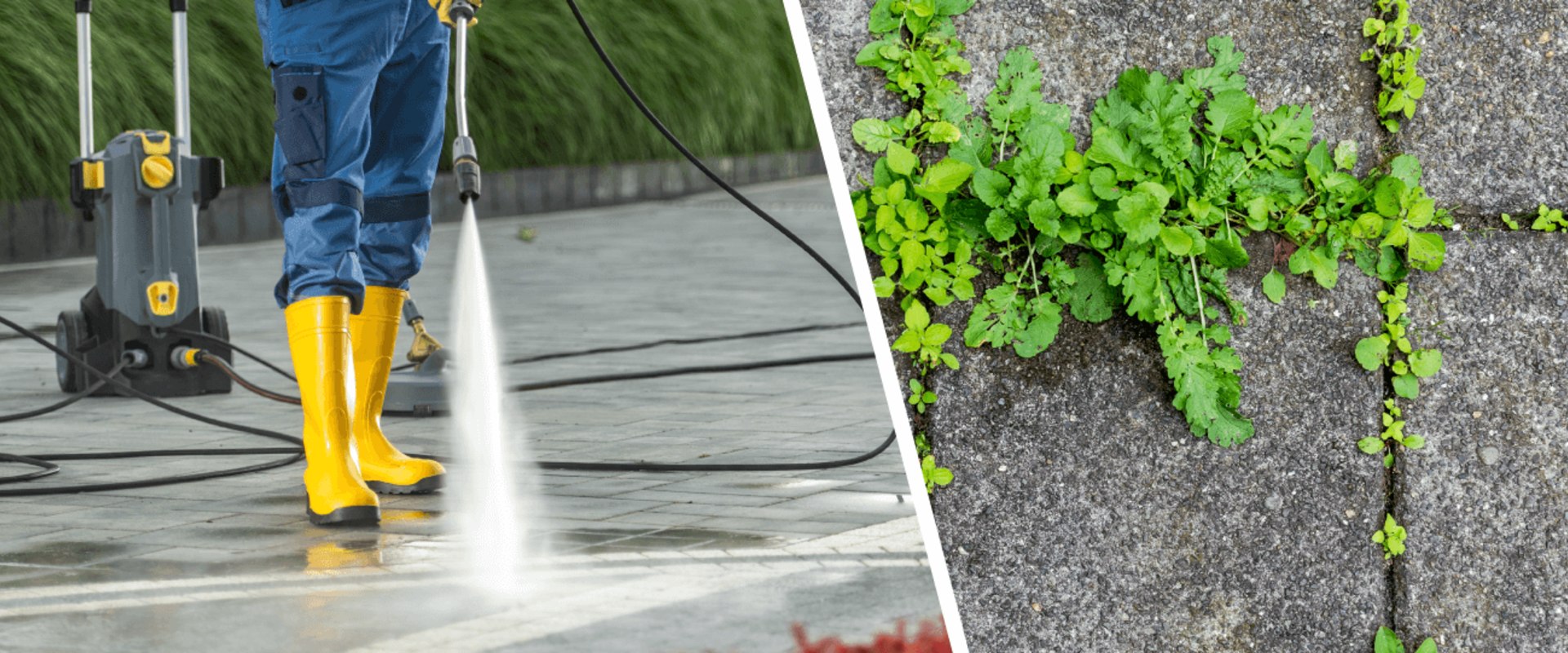
- Regular Cleaning: Keep your pavers free from debris, leaves, and dirt. Use a broom or leaf blower to remove loose materials. For stubborn stains, a pressure washer can be effective, but be cautious not to dislodge the pavers.
- Weed Control: Weeds can grow between pavers, especially on sloped surfaces. Regularly inspect for weeds and remove them by hand or use a natural herbicide to prevent them from taking root.
- Joint Sand Maintenance: The sand between pavers is crucial for stability.
Over time, it may wash away due to rain or erosion. Replenish joint sand as needed to maintain the integrity of the installation.
- Sealing Pavers: Consider applying a sealant to your pavers every few years. This helps protect against stains and weather damage, particularly on slopes where water runoff can be more aggressive.
- Inspect for Shifting: Regularly check for any shifting or settling of the pavers. If you notice any movement, it may be necessary to reset the affected pavers to maintain a level surface.
Ensure that water flows away from the paver area to prevent pooling, which can lead to erosion and damage over time. Installing drainage solutions like French drains or channel drains can help manage water flow effectively. By following these maintenance tips, you can ensure that your paver installation remains functional and visually appealing for years to come, even on challenging terrains.
FAQs About Paver Installation on Slopes and Uneven Surfaces
When considering paver installation on slopes or uneven surfaces, several common questions arise. Here are some frequently asked questions that can help clarify your concerns:- Can pavers be installed on a steep slope? Yes, pavers can be installed on steep slopes, but it requires careful planning and execution. It is essential to use proper techniques such as installing a retaining wall or using interlocking pavers to prevent shifting.
- What type of base is needed for pavers on uneven ground? A solid base is crucial for paver installation on uneven surfaces.
Typically, a compacted gravel base is recommended, which helps to level the surface and provides drainage.
- How do I ensure proper drainage when installing pavers on a slope? To ensure proper drainage, it’s important to create a slight slope away from structures. Additionally, incorporating drainage channels or permeable pavers can help manage water runoff effectively.
- Are there specific paver types better suited for slopes? Yes, some paver types are better suited for slopes.
Interlocking pavers
are often recommended as they provide stability and reduce the risk of movement. - What maintenance is required for pavers installed on slopes? Regular maintenance includes checking for shifting or settling of the pavers, ensuring that joints are filled with sand, and maintaining proper drainage to prevent erosion.
Conclusion: Key Takeaways for Successful Paver Installation
In conclusion, successful paver installation on a slope or uneven surface requires careful planning and execution. Here are the key takeaways to ensure your project is both aesthetically pleasing and structurally sound:- Assess the Site: Before beginning, evaluate the slope and overall condition of the area.
Understanding the degree of incline and any drainage issues is crucial for effective installation.
- Choose the Right Materials: Select pavers that are suitable for sloped surfaces. Heavier, interlocking pavers can provide better stability compared to lighter options.
- Prepare the Base: A solid base is essential. Use compacted gravel or crushed stone to create a stable foundation that can handle the weight of the pavers and prevent shifting over time.
- Implement Proper Drainage: Ensure that water can flow away from the paver surface. This may involve installing drainage channels or grading the area to direct water runoff effectively.
- Use Edge Restraints: Installing edge restraints will help keep your pavers in place, especially on slopes where gravity can cause them to shift.
- Consider Professional Help: If you're unsure about tackling a sloped installation, consulting with a professional can save time and prevent costly mistakes.