Paver installation is a popular choice for homeowners looking to enhance their outdoor spaces.
Pavers
are versatile, durable materials that can be used for driveways, patios, walkways, and more. Made from various materials such as concrete, brick, and natural stone, pavers offer a wide range of styles and colors, allowing homeowners to create unique designs that complement their property. Understanding the benefits of pavers is essential when considering your options for outdoor flooring. One of the primary advantages of using pavers is their durability.Unlike traditional concrete slabs, pavers are designed to withstand heavy loads and resist cracking. This makes them an ideal choice for high-traffic areas. Additionally, pavers are easy to maintain; if one becomes damaged, it can be replaced without having to redo the entire surface. Furthermore, pavers allow for better drainage compared to solid surfaces, reducing the risk of water pooling and erosion. As you explore the possibilities of paver installation, you may wonder about the feasibility of laying pavers over an existing concrete slab.
This method can save time and resources while providing a fresh look to your outdoor area. In the following sections, we will delve deeper into the specifics of installing pavers over concrete, ensuring you have all the information needed to make an informed decision.
Can You Install Pavers Over a Concrete Slab?
Installing pavers over a concrete slab is not only possible but can also be a practical solution for enhancing your outdoor space. However, there are several factors to consider before proceeding with concrete slab paver installation.First and foremost, the condition of the existing concrete slab is crucial. If the slab is cracked or uneven, it may require repairs or leveling to ensure a stable base for the pavers.A well-prepared surface will help prevent future issues such as shifting or settling.Here are some key considerations when installing pavers over concrete:
- Drainage: Proper drainage is essential to avoid water pooling on the surface. Ensure that the paver installation allows for adequate water runoff.
- Type of Pavers: Choose pavers that are suitable for installation over concrete. Thinner pavers may be more appropriate, as they can be set in sand or mortar.
- Adhesive Options: Using a high-quality adhesive can help secure the pavers to the concrete slab, providing additional stability.
- Jointing Material: Consider using polymeric sand or another jointing material that can help lock the pavers in place and prevent weed growth.
Benefits of Installing Pavers Over Concrete
Installing pavers over a concrete slab offers numerous advantages that can enhance both the functionality and aesthetic appeal of your outdoor space.Here are some key benefits to consider:
- Aesthetic Appeal: Pavers come in a variety of colors, shapes, and textures, allowing homeowners to create a customized look that complements their landscape. Unlike plain concrete, pavers can add character and charm to patios, walkways, and driveways.
- Durability: Pavers are designed to withstand heavy loads and resist cracking, making them a more durable option compared to traditional concrete. They can endure extreme weather conditions without losing their integrity.
- Ease of Maintenance: One of the significant benefits of paver installation is the ease of maintenance. If a paver becomes damaged or stained, it can be easily replaced without the need for extensive repairs.
Additionally, pavers allow for better drainage, reducing the risk of water pooling and erosion.
- Flexibility: Pavers can be installed in various patterns and designs, providing flexibility in design choices. This adaptability allows homeowners to create unique layouts that suit their personal style.
- Eco-Friendly Option: Many pavers are made from sustainable materials and can be recycled at the end of their life cycle. This makes them an environmentally friendly choice for those looking to reduce their carbon footprint.
Preparation Steps for Paver Installation on Concrete
Before you begin paver installation over a concrete slab, it’s crucial to prepare the surface properly to ensure a long-lasting and aesthetically pleasing result.Here are the essential preparation steps:
- Inspect the Concrete Slab: Start by examining the concrete slab for any cracks, chips, or uneven areas. Repair any damage using a concrete patching compound to create a smooth surface.
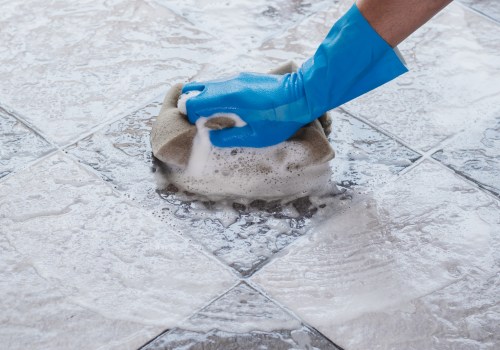
- Clean the Surface: Thoroughly clean the concrete slab to remove dirt, debris, and any existing sealants. A pressure washer can be effective for this task, but ensure the slab is completely dry before proceeding.
- Check for Drainage: Proper drainage is vital to prevent water pooling under the pavers. Ensure that the concrete slab has a slight slope away from structures.
If necessary, consider adding drainage channels or adjusting the slope.
- Apply a Bonding Agent: To enhance adhesion between the concrete and pavers, apply a bonding agent specifically designed for this purpose. Follow the manufacturer’s instructions for application and drying times.
- Lay Out the Pavers: Before permanently installing the pavers, lay them out in your desired pattern on the concrete slab. This step allows you to visualize the final look and make adjustments as needed.
Installation Process for Pavers Over Concrete
Installing pavers over a concrete slab can be a great way to enhance the aesthetic appeal of your outdoor space while providing a durable surface.Here’s a step-by-step guide to help you through the paver installation process.
- Gather Your Tools and Materials:
- Pavers
- Concrete adhesive or thin-set mortar
- Notched trowel
- Rubber mallet
- Level
- Measuring tape
- Joint sand
- Broom
- Prepare the Concrete Surface:Ensure that the concrete slab is clean, dry, and free of any debris. If there are any cracks or uneven areas, repair them before proceeding.
- Apply Adhesive:Using a notched trowel, apply a layer of concrete adhesive or thin-set mortar to the concrete slab. This will help the pavers adhere properly.
- Lay the Pavers:Start placing the pavers on the adhesive, beginning from one corner and working your way out. Use a rubber mallet to gently tap each paver into place, ensuring they are level with one another.
- Check for Level:As you lay each paver, use a level to ensure they are even.
Adjust as necessary by adding or removing adhesive.
- Add Joint Sand:Once all pavers are installed, sweep joint sand into the spaces between them. This helps lock them in place and prevents shifting.
- Cure and Clean:Allow the adhesive to cure according to the manufacturer’s instructions. After curing, sweep away any excess sand and clean the surface of the pavers.
Common Mistakes to Avoid When Installing Pavers Over Concrete
When it comes to paver installation over a concrete slab, avoiding common mistakes can save you time, money, and frustration. Here are some pitfalls to watch out for:- Neglecting Surface Preparation: One of the most critical steps is ensuring the concrete surface is clean and free of debris.
Failing to do so can lead to poor adhesion and uneven settling of the pavers.
- Ignoring Drainage Issues: Proper drainage is essential for the longevity of your paver installation. If water pools on the surface, it can cause shifting and cracking. Always assess the slope of your concrete slab and make adjustments as necessary.
- Using Incompatible Materials: Not all pavers are suitable for installation over concrete. Ensure that the pavers you choose are designed for this purpose to avoid issues with weight and stability.
- Skipping the Sand Layer: A layer of sand between the concrete and pavers helps with leveling and provides a cushion that can absorb movement.
Skipping this step can lead to uneven surfaces and increased wear on your pavers.
- Improper Joint Filling: After laying your pavers, it’s crucial to fill the joints correctly. Using the wrong material or not filling them adequately can lead to weed growth and shifting of the pavers.
Maintenance Tips for Paved Surfaces Over Concrete
Maintaining pavers installed over a concrete slab is essential for preserving their aesthetic appeal and structural integrity. Regular maintenance not only enhances the lifespan of your paved surfaces but also ensures safety and functionality.Routine Cleaning
- Regularly sweep the surface to remove dirt, leaves, and debris that can accumulate over time.
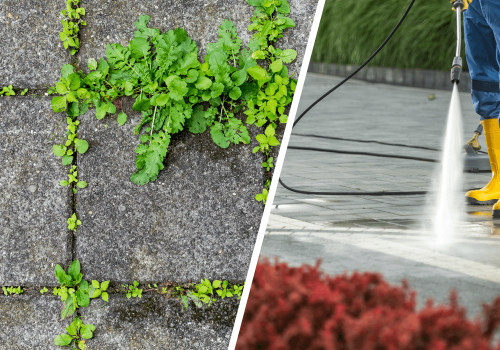
- Use a pressure washer occasionally to eliminate stubborn stains and grime, but be cautious with the pressure settings to avoid damaging the pavers.
Weed Control
- Inspect the joints between pavers for weed growth.
Weeds can compromise the stability of your paved surface.
- Apply a weed killer or manually remove weeds as soon as they appear to prevent them from spreading.
Joint Sand Maintenance
- The sand in the joints between pavers is crucial for stability. Over time, it may wash away due to rain or cleaning.
- Periodically check the joint sand levels and refill them with polymeric sand to maintain proper interlocking and prevent shifting.
Sealing Pavers
- Consider applying a sealant every few years to protect your pavers from stains, moisture, and UV damage.
- A sealant can enhance the color of your pavers and provide a barrier against dirt and grime.
Addressing Damage Promptly
- If you notice any cracks or chips in your pavers, address them immediately to prevent further damage.
- Replace damaged pavers as needed to maintain a uniform appearance and structural integrity.
FAQs About Paver Installation Over Concrete Slabs
When considering paver installation over a concrete slab, many homeowners have questions. Here are some of the most frequently asked questions regarding this process:- Can I install pavers directly on a concrete slab? Yes, you can install pavers directly on a concrete slab.
This method is often preferred because it provides a stable base and can help prevent shifting or settling.
- Do I need to prepare the concrete surface before installation? Absolutely. It's essential to clean the concrete surface thoroughly to remove any dirt, grease, or debris. Additionally, filling in any cracks or holes will ensure a smooth and even surface for the pavers.
- What type of pavers can be used over concrete? Most types of pavers, including brick, stone, and concrete pavers, can be installed over a concrete slab. However, it's important to choose pavers that are suitable for your specific project and climate conditions.
- Is it necessary to use sand between the pavers? While it's not strictly necessary when installing over concrete, using sand can help with drainage and prevent weed growth.
It also allows for slight adjustments during installation.
- Will installing pavers over concrete affect drainage? Yes, it can. Proper drainage is crucial to avoid water pooling. Ensure that the installation is slightly sloped away from structures to facilitate water runoff.
Conclusion: Key Takeaways on Paver Installation Over Concrete
In conclusion, installing pavers over a concrete slab can be a practical and aesthetically pleasing solution for enhancing outdoor spaces. This method not only saves time and labor but also offers several benefits that make it an attractive option for homeowners.Key Takeaways:- Cost-Effectiveness: Utilizing an existing concrete slab can significantly reduce the overall cost of your paver installation.
You avoid the expenses associated with removing old concrete and preparing a new base.
- Quick Installation: The process of laying pavers over concrete is generally quicker than starting from scratch, allowing you to enjoy your new outdoor area sooner.
- Stability and Durability: A concrete base provides a solid foundation for pavers, ensuring they remain stable and durable over time, provided that proper drainage is considered.
- Aesthetic Flexibility: Pavers come in various styles, colors, and patterns, allowing you to customize your outdoor space to match your personal style and landscape design.