Paver installation is a versatile and aesthetically pleasing way to enhance outdoor spaces, providing both functionality and style. Whether you are looking to create a stunning patio, a durable walkway, or an elegant driveway, understanding the basics of paver installation is essential. This process involves careful planning and execution, especially when working around existing structures or obstacles. By mastering the fundamentals, you can ensure a long-lasting and visually appealing result. There are various types of pavers available on the market, each offering unique benefits.
Concrete pavers are popular for their durability and low maintenance, while clay pavers provide a classic look with their rich colors and textures. Natural stone pavers, such as granite or slate, add a touch of luxury but may require more care. Understanding the characteristics of each type will help you choose the right material for your project, ensuring that it complements your landscape and meets your functional needs. The benefits of using pavers extend beyond mere aesthetics. They are designed to withstand heavy loads, resist cracking, and allow for easy repairs if needed.
Additionally, pavers can improve drainage in your yard, reducing water pooling and erosion. As you delve deeper into the installation process, keep these advantages in mind to make informed decisions that will enhance your outdoor living experience.
Planning Your Paver Installation Project
Before diving into paver installation, careful planning is essential to ensure a successful project. This phase involves several key steps, including measuring the area, selecting a design, and considering practical aspects like drainage and accessibility.Measuring for Pavers
- Begin by accurately measuring the area where you intend to install the pavers. Use a tape measure to determine the length and width of the space, and calculate the total square footage.
- Account for any existing structures or obstacles, such as trees, fences, or garden beds.
These will affect both your design and the amount of materials needed.
- Consider creating a scale drawing of your layout. This visual representation can help you better understand how the pavers will fit into the space.
Design Considerations
- Choose a design that complements your existing landscape. Whether you prefer a classic herringbone pattern or a more modern layout, ensure it aligns with your overall aesthetic.
- Think about the color and texture of the pavers. Mixing different styles can create visual interest but should be done thoughtfully to avoid a chaotic appearance.
- Plan for accessibility.
Ensure that pathways are wide enough for foot traffic and that there are no sharp edges that could pose safety risks.
Drainage and Accessibility
- Proper drainage is crucial in any paver installation. Assess the natural slope of your yard and plan for water runoff to prevent pooling around your pavers.
- If your installation area is near existing structures, consider how water will flow away from these areas to avoid damage.
- Accessibility should also be prioritized; ensure that your design allows for easy movement around obstacles while maintaining functionality.
Preparing the Site for Paver Installation
Preparing the site for paver installation is a crucial step that sets the foundation for a successful project. Proper site preparation ensures that your pavers will remain stable and aesthetically pleasing for years to come.1.Clearing the Area
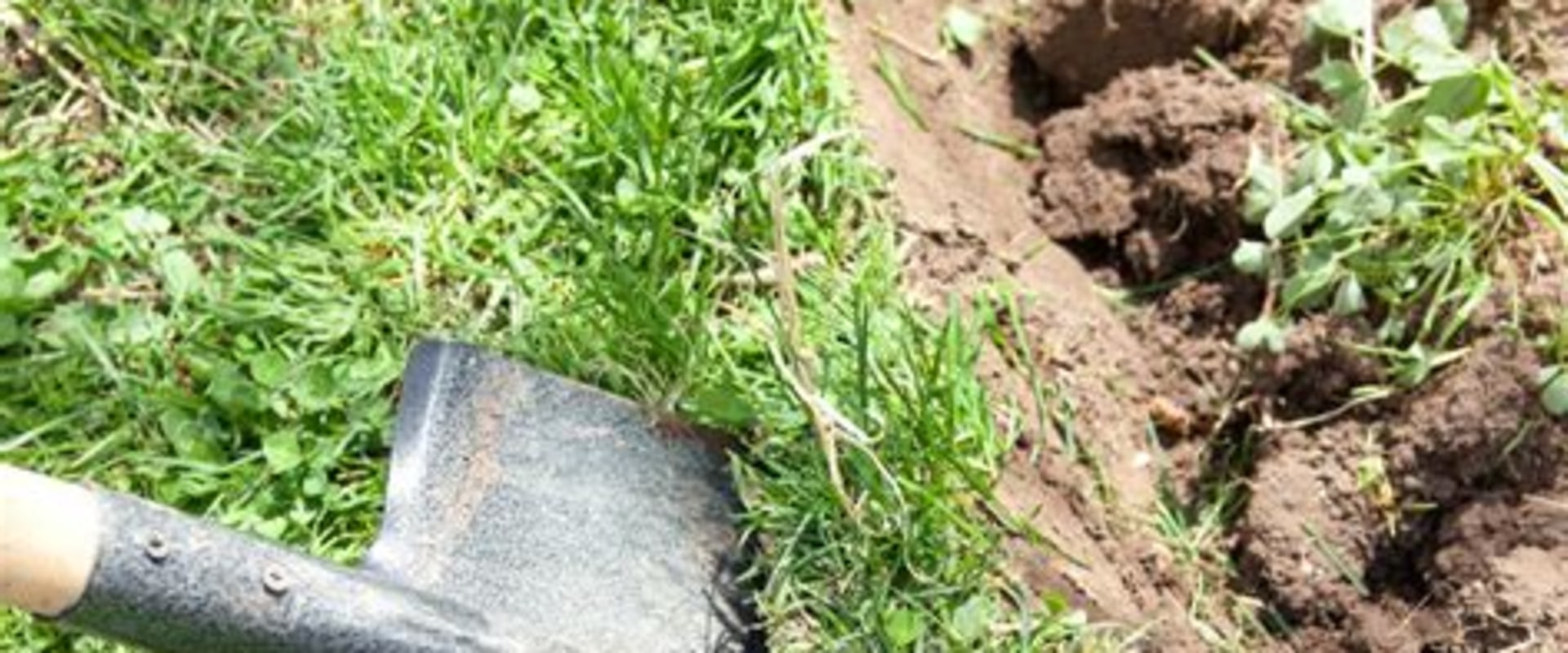
- Begin by removing any existing grass, plants, or debris from the area where you plan to install the pavers. This can be done using a shovel or a sod cutter for larger areas.
- Ensure that you also remove any rocks or large roots that may interfere with the installation process.
2.Excavation for Pavers
Once the area is cleared, the next step is to excavate to the proper depth.
The depth will depend on the type of pavers you are using and the intended use of the surface:
- For pedestrian walkways, aim for a depth of about 4 to 6 inches.
- If you are installing pavers for driveways or areas that will support heavier loads, excavate to a depth of 6 to 8 inches.
3.Selecting Base Material
The choice of base material is vital for ensuring stability and longevity:
- Crushed stone or gravel is commonly used as a base material due to its excellent drainage properties.
- A layer of sand can be added on top of the gravel to create a smooth surface for laying pavers.
Installing Pavers Around Existing Structures
When it comes to paver installation around existing structures or obstacles, precision is key. Whether you are working around trees, posts, or other features, following the right techniques will ensure a professional finish.Measuring and Planning
- Begin by measuring the distance from the edge of the obstacle to where you want the pavers to end. Use a tape measure for accuracy.
- Mark the area with stakes and string to visualize the layout.
This will help you see how the pavers will fit around the obstacle.
Cutting Pavers
To achieve a seamless look, you may need to cut some pavers. Here are some effective methods:
- Wet Saw: This is the most efficient tool for cutting pavers. It provides clean cuts and is ideal for intricate shapes.
- Chisel and Hammer: For smaller adjustments, a chisel and hammer can be used to chip away at the edges of pavers.
- Paver Splitter: This tool is great for making straight cuts quickly and efficiently.
Installation Techniques
Once your pavers are cut, follow these steps for installation:
- Start laying pavers from the edge of the obstacle outward. This ensures that you maintain a consistent pattern.
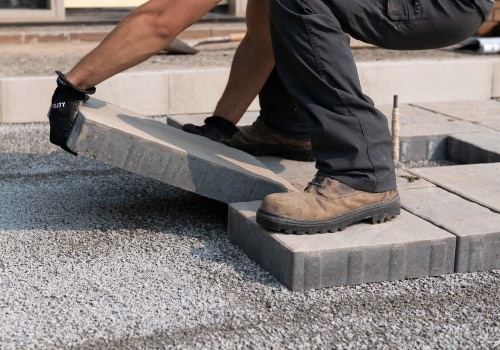
- Use a rubber mallet to tap each paver into place gently.
This helps them settle into the base material without cracking.
- Check for levelness frequently as you work. Adjust as necessary by adding or removing base material beneath the pavers.
Compacting and Leveling the Pavers
Once you have laid the pavers around existing structures or obstacles, the next crucial step in paver installation is compacting and leveling them to ensure a stable and durable surface. Proper compaction helps to eliminate air pockets and provides a solid foundation, while leveling ensures that the surface is even and aesthetically pleasing.Compacting the Pavers
- Use a plate compactor or a hand tamper to compact the pavers.
A plate compactor is more efficient for larger areas, while a hand tamper can be useful for tight spaces.
- Start from one corner and work your way across the area, making sure to overlap each pass slightly to ensure even compaction.
- Be cautious not to apply too much pressure, as this can damage the pavers. Aim for a gentle yet firm compaction that allows the pavers to settle into place without cracking.
Leveling the Pavers
- After compacting, check the level of the pavers using a long level or straight edge. This will help you identify any high or low spots that need adjustment.
- If you find uneven areas, lift the affected pavers and add or remove base material as necessary. Reinsert the pavers and compact them again.
- For optimal results, ensure that the surface slopes slightly away from any structures to facilitate water drainage, preventing pooling and potential damage.
Ensuring Stability in Paver Installation
- To further enhance stability, consider using polymeric sand in the joints between pavers.
This type of sand hardens when wet, helping to lock the pavers in place and prevent shifting over time.
- Regularly inspect your paved area for any signs of movement or settling. Addressing these issues promptly can prolong the life of your installation.
Finishing Touches After Paver Installation
After completing your paver installation, the finishing touches are crucial for ensuring the longevity and aesthetic appeal of your new surface. Two key steps in this process are applying joint sand and sealing the pavers.Applying Joint Sand
Joint sand is essential for stabilizing the pavers and preventing them from shifting over time. Follow these steps for effective application:- Choose the Right Sand: Use polymeric sand, which hardens when wet, providing better stability than regular sand.
- Spread the Sand: Pour the joint sand over the pavers, ensuring it fills all gaps between them.
- Brush it In: Use a broom to sweep the sand into the joints, making sure to fill them completely.
- Compact the Pavers: Lightly compact the pavers using a plate compactor to help settle the sand into place.
Sealing Pavers
Sealing your pavers is an important step that enhances their appearance and protects them from stains and weathering.Here’s how to do it:
- Select a Quality Sealant: Choose a sealant that is appropriate for your type of pavers, whether they are concrete, brick, or natural stone.
- Clean the Surface: Ensure that the pavers are clean and dry before applying the sealant. Remove any debris or leftover joint sand.
- Apply Evenly: Use a roller or sprayer to apply the sealant evenly across the surface, following the manufacturer’s instructions.
Maintenance Tips for Pavers
To keep your pavers looking great and functioning well, consider these maintenance tips:- Regular Cleaning: Sweep or wash your pavers regularly to remove dirt and debris.
- Reapply Sealant: Depending on exposure to elements, reapply sealant every 1-3 years to maintain protection.
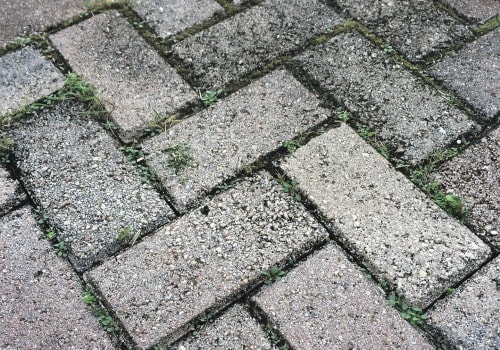
- Address Weeds Promptly: Remove any weeds that may grow in joints to prevent damage to your paver structure.
Common Mistakes to Avoid During Paver Installation
When it comes to paver installation, avoiding common mistakes can save you time, money, and frustration. Here are some pitfalls to watch out for:- Neglecting Proper Base Preparation: One of the most critical steps in paver installation is ensuring a solid base. Failing to compact the soil or using inadequate materials can lead to shifting and settling over time.
- Incorrect Slope and Drainage: A common mistake is not accounting for proper drainage.
Ensure that your pavers are installed with a slight slope away from structures to prevent water pooling.
- Ignoring Joint Spacing: Proper joint spacing is essential for both aesthetics and functionality. Inconsistent gaps can lead to uneven surfaces and make it difficult for sand to settle properly.
- Using the Wrong Type of Pavers: Not all pavers are suitable for every application. Make sure to choose pavers that are designed for the specific area you are working on, whether it's a driveway, patio, or walkway.
- Overlooking Edge Restraints: Edge restraints help keep your pavers in place. Skipping this step can result in shifting and misalignment over time.
- Regularly Check Alignment: As you lay each paver, frequently check for alignment to ensure a straight and even surface.
- Use a Level: A level can help you maintain the correct slope and ensure that each paver is set evenly.
- Fill Joints Promptly: After installation, fill the joints with sand as soon as possible to prevent weeds and stabilize the pavers.
Frequently Asked Questions About Paver Installation
When it comes to paver installation, many homeowners have questions that can help ensure a successful project.Here are some of the most frequently asked questions:
- What is the best base material for pavers? The ideal base material for pavers is typically a mixture of crushed stone and gravel, which provides excellent drainage and stability. A depth of at least 4 to 6 inches is recommended for optimal support.
- How do I prepare the area before installing pavers? Preparation involves clearing the area of any debris, grass, or existing materials. You should also ensure the ground is level and compacted to prevent shifting over time.
- Can I install pavers over existing concrete? Yes, you can install pavers over existing concrete, but it’s essential to ensure that the surface is in good condition. You may need to use a layer of sand or gravel to create a proper base.
- What is the best way to cut pavers around obstacles? Using a wet saw or a masonry saw is the most effective method for cutting pavers.
Measure carefully and mark your cuts before proceeding to ensure a precise fit around any obstacles.
- How do I maintain my paver installation? Regular maintenance includes sweeping away debris, rinsing with water, and applying a sealant every few years to protect against stains and weathering.
Conclusion: Key Takeaways for Successful Paver Installation
In conclusion, achieving a successful paver installation around existing structures or obstacles requires careful planning and execution. Here are the key takeaways to ensure your project is both aesthetically pleasing and structurally sound:- Assess the Area: Before beginning, thoroughly evaluate the site. Identify any existing structures, slopes, or drainage issues that may affect your installation.
- Choose the Right Materials: Select pavers that complement your landscape and are suitable for the intended use. Consider factors such as durability, color, and texture.
- Plan Your Layout: Create a detailed layout plan that accommodates obstacles while maintaining a cohesive design.
Use string lines or stakes to visualize the placement of pavers.
- Prepare the Base: A solid base is crucial for longevity. Excavate the area to the appropriate depth, ensuring proper compaction and drainage.
- Install with Precision: Lay pavers carefully, ensuring they are level and aligned. Use spacers if necessary to maintain consistent gaps between pavers.
- Finishing Touches: After installation, fill joints with sand or polymeric jointing material to prevent weed growth and enhance stability.