Proper planning is the foundation of any durable paver installation, ensuring that the finished surface remains stable, functional, and visually appealing for years to come. Whether designing a patio, walkway, or driveway, careful preparation helps prevent common issues such as shifting, cracking, or uneven surfaces. Planning involves assessing the site, selecting appropriate materials, and creating a layout that meets both practical and aesthetic goals. By investing time in the planning phase, homeowners and contractors can achieve results that stand up to daily use and environmental conditions.
Evaluating Site Conditions and Soil Stability
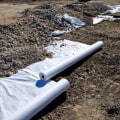
One of the first steps in planning a paver installation is evaluating the site conditions, including soil type, drainage patterns, and overall terrain. Soil stability plays a critical role in supporting the pavers, as weak or poorly compacted soil can lead to movement and settling over time. Proper excavation and base preparation are essential for creating a solid foundation. This includes removing unsuitable soil, adding a stable base material, and compacting it thoroughly to ensure long-term durability.
Designing for Functionality and Aesthetics
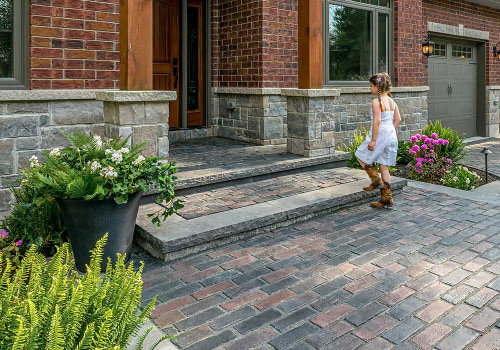
A well-thought-out design enhances both the functionality and appearance of a paver installation. Choosing the right pattern, color, and layout helps create a cohesive look that complements the surrounding environment. Functional considerations, such as traffic flow and load requirements, must also be taken into account to ensure that the installation meets its intended purpose. Homeowners can refer to resources like this page to explore design ideas and gather inspiration for creating a customized outdoor space that balances style and practicality.
Ensuring Proper Drainage and Water Management
Effective drainage is a key factor in maintaining the durability of paver installations. Without proper water management, rainwater can accumulate beneath the surface, leading to erosion and structural instability. Planning for drainage involves incorporating slopes, channels, and permeable materials that allow water to flow away from the installation. These measures help protect the base and prevent damage caused by water infiltration, ensuring that the pavers remain secure and level over time.
Using Quality Materials and Installation Techniques
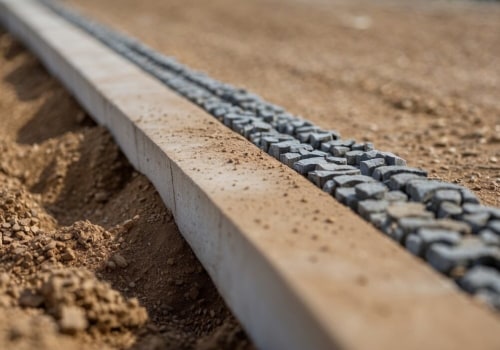
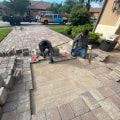
The choice of materials and installation techniques significantly impacts the longevity of a paver project. High-quality pavers, combined with appropriate base materials and jointing sand, provide the strength needed to withstand environmental stress and heavy use. Proper installation techniques, including precise alignment and secure edge restraints, ensure that the pavers remain in place and maintain their appearance. Attention to detail during installation helps prevent issues and supports long-term performance.
Supporting Long-Term Maintenance and Performance
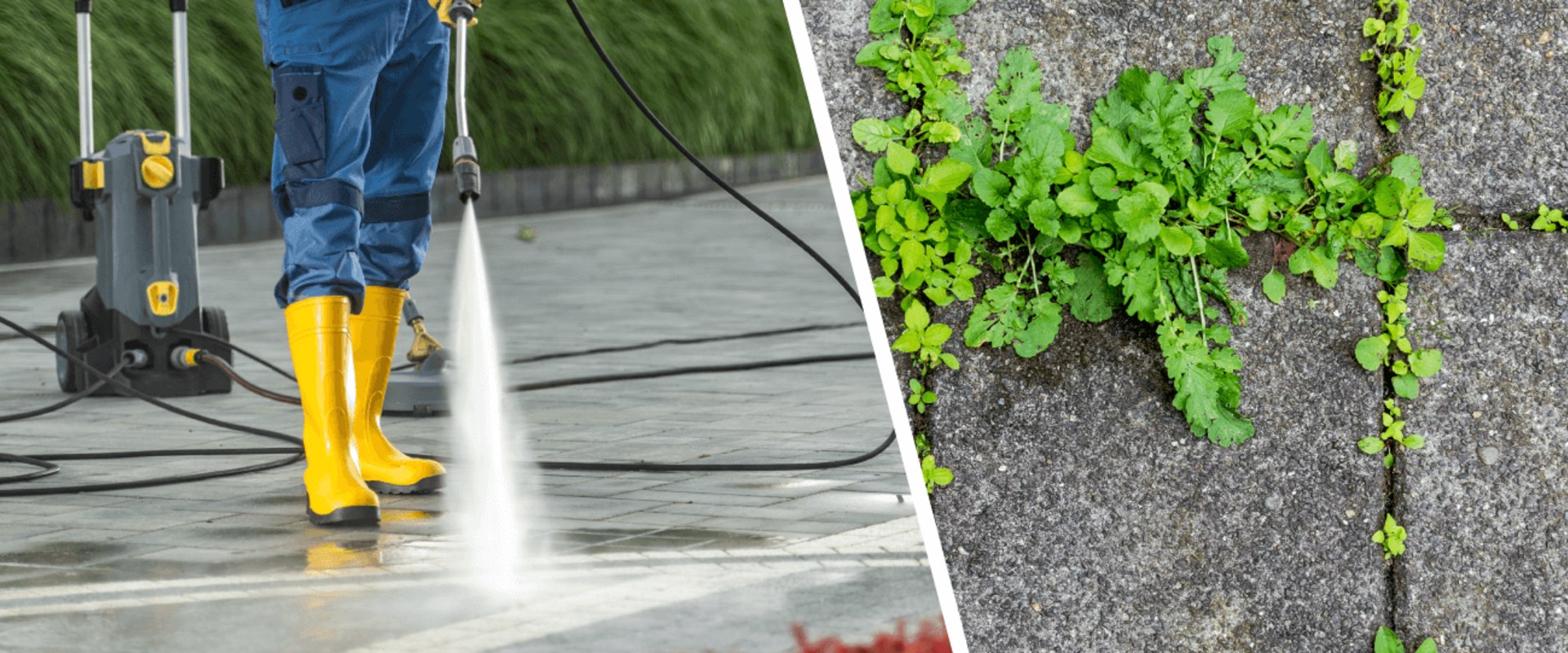
Planning for maintenance is another important aspect of achieving durable paver installations. Regular upkeep, such as cleaning, re-sanding joints, and addressing minor issues promptly, helps preserve the condition of the surface. By considering maintenance requirements during the planning phase, homeowners can create installations that are easier to care for and maintain over time. This proactive approach ensures that the investment continues to provide value and functionality.
Achieving Lasting Results Through Preparation
Ultimately, proper planning is the key to a successful and durable paver installation. By evaluating site conditions, designing thoughtfully, ensuring proper drainage, and using quality materials, homeowners and contractors can create outdoor spaces that are both attractive and resilient. This comprehensive approach highlights the importance of preparation in achieving long-lasting results that enhance both the usability and appeal of the property.