When embarking on a paver installation project, having the right tools is crucial for achieving a professional finish and ensuring the longevity of your work. The process of laying pavers can be intricate, requiring precision and attention to detail. Without the appropriate paver installation tools, even the most skilled DIY enthusiast may find themselves facing challenges that could compromise the quality of their project. From basic hand tools to specialized equipment, each tool plays a vital role in the installation process. For instance, a compactor is essential for preparing the base and ensuring that the pavers are set firmly in place, while a level guarantees that your surface is even and aesthetically pleasing.
Understanding the function of each tool not only enhances efficiency but also minimizes the risk of costly mistakes. This section will delve into the various tools for paver installation, providing insights into their specific uses and benefits. Whether you are a seasoned contractor or a first-time DIYer, equipping yourself with the right paver installation equipment will set you up for success, allowing you to create beautiful outdoor spaces that stand the test of time.
Basic Tools Required for Paver Installation
When embarking on a paver installation project, having the right tools is crucial for achieving a professional finish. Below are some of the basic tools that every installer should have on hand:- Shovel: A sturdy shovel is essential for digging and moving soil or gravel. It helps in preparing the base for the pavers.
- Rake: A landscape rake is useful for leveling the base material and ensuring an even surface before laying the pavers.
- Level: A level tool, whether a traditional spirit level or a laser level, is vital for checking that the surface is flat and properly graded to allow for drainage.
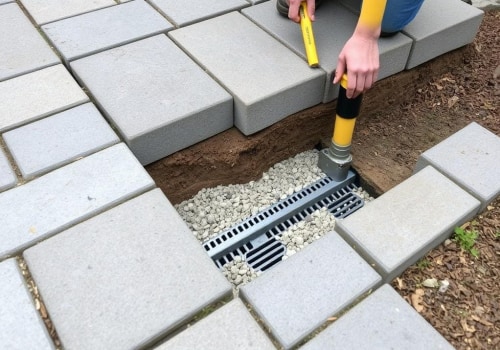
- Tamp: A hand tamper or plate compactor is necessary to compact the base material, providing a solid foundation for the pavers.
- Rubber Mallet: This tool is used to gently tap the pavers into place without damaging them, ensuring they fit snugly together.
- Saw: A wet saw or masonry saw may be required for cutting pavers to fit around edges or obstacles, allowing for a clean and precise installation.
Using them correctly can help prevent common issues such as uneven surfaces or shifting pavers over time. Investing in quality tools not only makes the job easier but also enhances the overall durability and appearance of your paved area.
Advanced Tools for Professional Paver Installation
When it comes to professional paver installation, having the right tools can significantly impact the quality and efficiency of the project. While basic tools are essential, advanced tools can elevate the installation process, ensuring precision and durability.Plate Compactor
A plate compactor is a vital tool for any professional installer. This machine is designed to compact the base material beneath the pavers, ensuring a solid foundation.By using a plate compactor, installers can achieve a level surface that minimizes the risk of shifting or settling over time. The vibration generated by the compactor helps to eliminate air pockets in the base material, which is crucial for long-lasting results.
Wet Saw
For cutting pavers with precision, a wet saw is indispensable. Unlike traditional saws, wet saws use water to cool the blade and reduce dust during cutting. This not only enhances safety but also provides cleaner cuts, which are essential for achieving tight joints and professional-looking edges.A wet saw allows for intricate designs and custom cuts that can elevate the aesthetic appeal of any paver installation.
Laser Level
A laser level is another advanced tool that can greatly improve accuracy during installation. This tool projects a laser beam that helps installers ensure that pavers are laid evenly and at the correct height. By using a laser level, professionals can avoid common pitfalls such as uneven surfaces or improper drainage, which can lead to costly repairs down the line.Paver Lifter
Handling heavy pavers can be challenging, especially when it comes to positioning them accurately. A paver lifter simplifies this task by allowing one person to lift and place pavers with ease.This tool not only reduces physical strain but also enhances efficiency on the job site, enabling quicker installations without compromising on quality.Incorporating these advanced tools into your paver installation process not only boosts productivity but also ensures a high-quality finish that meets professional standards. Investing in such equipment can lead to better outcomes and satisfied clients, making it a worthwhile consideration for any serious installer.
Safety Equipment for Paver Installation
When it comes to paver installation, ensuring the safety of workers is paramount. The installation process can involve heavy materials and equipment, making the right safety gear essential to prevent injuries.- Gloves: A sturdy pair of work gloves is crucial for protecting hands from sharp edges and rough surfaces. Look for gloves that offer both grip and durability.
- Safety Goggles: Protecting your eyes from dust, debris, and potential flying particles is vital.
Safety goggles should fit snugly and provide a clear line of sight.
- Knee Pads: Since paver installation often requires kneeling for extended periods, knee pads can help prevent discomfort and injury. Choose pads that are cushioned and provide adequate support.
- Steel-Toed Boots: Foot protection is essential in any construction environment. Steel-toed boots can protect against heavy materials that may accidentally fall during the installation process.
- High-Visibility Vests: If working in areas with vehicle traffic or low visibility, wearing a high-visibility vest can help ensure that workers are seen by others, reducing the risk of accidents.
This not only protects individuals but also contributes to a more efficient and productive work environment.
Maintenance Tools for Paver Installation Projects
Maintaining your paver installation is crucial for ensuring its longevity and aesthetic appeal. The right maintenance tools can help you keep your pavers in top condition, preventing issues such as weed growth, staining, and erosion.Essential Maintenance Tools
- Pressure Washer: A pressure washer is an effective tool for cleaning pavers. It removes dirt, grime, and algae buildup without damaging the surface. Use a fan spray nozzle to avoid dislodging the pavers.
- Paver Sealer: Applying a high-quality paver sealer protects your installation from stains and UV damage.
Sealers create a barrier that repels water and prevents weeds from taking root in the joints.
- Broom and Dustpan: Regular sweeping helps remove debris and leaves that can trap moisture and promote mold growth. A stiff-bristled broom is ideal for this task.
- Joint Sand: Over time, the sand in the joints between pavers can wash away. Replenishing this sand not only maintains the appearance but also stabilizes the pavers, preventing shifting.
- Weed Killer: To prevent weeds from sprouting between pavers, consider using a non-toxic weed killer or vinegar solution. Regular application can keep your installation looking pristine.
Regular Maintenance Practices
In addition to having the right tools, establishing a regular maintenance routine is essential.Aim to clean your pavers at least twice a year, applying sealer every few years depending on wear and exposure to elements. This proactive approach not only enhances the beauty of your paver installation but also extends its lifespan significantly.By investing in these maintenance tools and practices, you can ensure that your paver installation remains a stunning feature of your outdoor space for years to come.
FAQs About Paver Installation Tools
When it comes to paver installation, having the right tools can make a significant difference in the efficiency and quality of your project. Here are some frequently asked questions regarding the tools needed for this task:What are the essential tools for paver installation?
- Excavator or shovel: For digging and preparing the base.
- Compactor: To compact the base material and ensure stability.
- Level: To check that the surface is even and properly graded.
- Rubber mallet: For adjusting pavers without damaging them.
- Jointing sand: To fill gaps between pavers and prevent shifting.
Do I need specialized tools for cutting pavers?
Yes, cutting pavers often requires specialized tools. A wet saw or a paver splitter is recommended for making precise cuts.These tools ensure clean edges and fit, which is crucial for a professional-looking finish.
Can I rent paver installation tools?
Absolutely! Many home improvement stores offer tool rental services. Renting can be a cost-effective solution, especially if you only need the tools for a short period. Be sure to check the condition of the tools before renting.How do I maintain my paver installation tools?
- Clean after use: Remove any dirt or debris to prevent rust and damage.
- Store properly: Keep tools in a dry place to avoid moisture-related issues.
- Inspect regularly: Check for wear and tear, replacing any damaged parts as needed.
Conclusion: Choosing the Right Tools for Your Paver Project
In conclusion, selecting the right tools for your paver installation project is crucial for achieving a durable and aesthetically pleasing result. The tools you choose not only affect the efficiency of the installation process but also the overall quality of the finished surface. Throughout this article, we discussed various essential tools, including:- Excavation Equipment: Proper excavation tools ensure that you prepare a solid base for your pavers.
- Compactors: A plate compactor or hand tamper is vital for compacting the base material, preventing future settling.
- Cutting Tools: A wet saw or masonry saw is necessary for making precise cuts to fit pavers around edges and obstacles.
- Leveling Tools: Using a level and string line helps maintain an even surface, which is critical for drainage and aesthetics.
- Jointing Tools: Tools like a broom or a jointing tool are essential for filling gaps between pavers with sand or polymeric jointing material.
This not only saves time but also minimizes the risk of errors that could lead to costly repairs down the line. Remember, the right tools can make all the difference in ensuring that your project is completed successfully and stands the test of time. Ultimately, whether you're a DIY enthusiast or a professional contractor, taking the time to gather the appropriate tools will enhance your efficiency and effectiveness in installing pavers. With careful planning and execution, your paved area will not only meet but exceed your expectations.