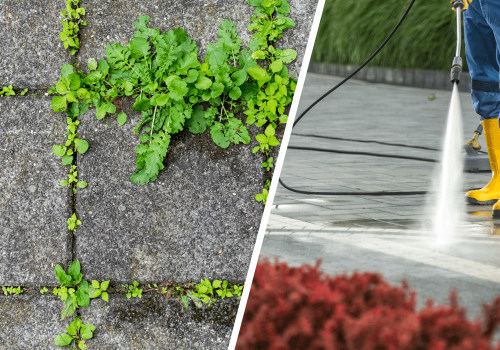
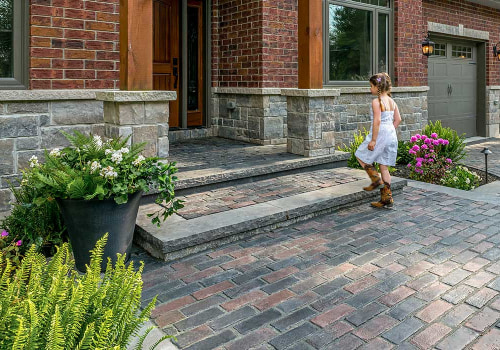
Paver installation is a crucial aspect of landscaping that can transform outdoor spaces into functional and aesthetically pleasing areas. Whether you are creating a patio, walkway, or driveway, the choice of materials and installation techniques can significantly impact the durability and appearance of your project. As homeowners increasingly seek to enhance their outdoor environments, understanding the intricacies of paver installation becomes essential. One of the key considerations in this process is the use of a weed barrier. Weeds can be a persistent problem in landscaped areas, often undermining the beauty and integrity of paver surfaces.
By implementing effective weed control measures, such as a weed barrier, you can prevent unwanted growth that not only detracts from the visual appeal but also compromises the stability of your pavers. In this article, we will explore the necessity of using a weed barrier under the base material during paver installation. We will delve into how this simple addition can enhance the longevity of your outdoor flooring while reducing maintenance efforts. Understanding these elements will empower you to make informed decisions that elevate your landscaping projects to new heights.
What is a Weed Barrier?
A weed barrier, also known as a landscape fabric or weed mat, is a material designed to prevent the growth of unwanted plants while allowing water and nutrients to penetrate the soil. This is particularly important in landscaping and hardscaping projects, such as paver installation, where maintaining a clean and weed-free surface is essential for both aesthetics and functionality.Types of Weed Barriers
- Woven Fabric: Made from interlaced fibers, this type is durable and allows for excellent water drainage.
It is ideal for areas with heavy foot traffic.
- Non-Woven Fabric: This type is made from bonded fibers, providing a more uniform surface. It is effective in preventing weed growth but may not drain as well as woven options.
- Plastic Sheeting: A less permeable option, plastic sheeting can effectively block weeds but may lead to water pooling if not installed correctly.
- Biodegradable Options: Made from natural materials, these barriers break down over time, enriching the soil while still suppressing weeds during their lifespan.
Benefits of Using Weed Barriers
- Weed Control: The primary function of a weed barrier is to inhibit the growth of weeds, which can compete with your pavers for nutrients and moisture.
- Soil Erosion Prevention: By stabilizing the soil beneath your pavers, a weed barrier can help prevent erosion caused by rain or foot traffic.
- Reduced Maintenance: With fewer weeds to manage, you’ll spend less time on upkeep, allowing you to enjoy your outdoor space more fully.
- Improved Aesthetics: A clean, weed-free area enhances the overall appearance of your paver installation, making it more visually appealing.
The Importance of Base Material in Paver Installation
When it comes to paver installation, the choice and preparation of the base material are crucial for ensuring a stable and long-lasting surface. The base material serves as the foundation upon which the pavers rest, and its quality directly impacts the overall durability and performance of the paved area.Base material
typically consists of crushed stone or gravel, which provides excellent drainage and support.This is essential because water accumulation can lead to shifting or settling of the pavers over time. A well-compacted base layer helps distribute weight evenly, reducing the risk of cracks or uneven surfaces.Moreover, the thickness of the base material is equally important. Generally, a depth of 4 to 6 inches is recommended for most residential applications. This depth allows for adequate support while also facilitating proper drainage.
If the base is too shallow, it may not withstand heavy loads, leading to premature failure.In addition to stability, the base material plays a significant role in preventing weed growth. While some may consider using a weed barrier fabric beneath the base material, it’s essential to understand that a properly installed base can naturally inhibit weed growth by providing a dense layer that weeds struggle to penetrate. However, if you live in an area with particularly aggressive weed species, incorporating a weed barrier can offer an extra layer of protection.Ultimately, understanding the importance of base material in paver installation is vital for achieving a successful project. By investing time and resources into selecting and preparing high-quality base materials, homeowners can ensure their paved surfaces remain stable and visually appealing for years to come.
Do You Need a Weed Barrier Under Base Material?
When considering paver installation, one common question arises: is it necessary to use a weed barrier under the base material? The answer is not straightforward, as it depends on various factors including the specific site conditions and personal preferences. On one hand, proponents of using a weed barrier argue that it can significantly reduce the growth of unwanted vegetation.By preventing weeds from penetrating through the base material, a weed barrier can help maintain the aesthetic appeal of your paver installation over time. This can be particularly beneficial in areas with rich soil or where weeds are notoriously persistent. However, there are also valid arguments against the necessity of a weed barrier. Some experts suggest that a properly installed base layer, consisting of compacted gravel or crushed stone, can effectively suppress weed growth on its own. Additionally, using a weed barrier may lead to drainage issues if water cannot flow freely through the layers.
This could potentially result in pooling water and damage to the pavers. Here are some pros and cons to consider:
- Pros of Using a Weed Barrier:
- Reduces weed growth, maintaining visual appeal.
- Simplifies maintenance by minimizing the need for weeding.
- Cons of Using a Weed Barrier:
- Can cause drainage problems if not installed correctly.
- May not be necessary if the base material is properly compacted.
Benefits of Using a Weed Barrier in Paver Installation
When it comes to paver installation, incorporating a weed barrier can significantly enhance the longevity and aesthetic appeal of your hardscaping project. Here are some key benefits of using a weed barrier:- Weed Prevention: One of the primary advantages of a weed barrier is its ability to prevent unwanted vegetation from breaking through the surface of your pavers.
By blocking sunlight and inhibiting seed germination, a weed barrier creates a protective layer that keeps your paved area looking clean and well-maintained.
- Reduced Maintenance: With fewer weeds to contend with, homeowners can enjoy reduced maintenance efforts. This means less time spent pulling weeds or applying herbicides, allowing you to focus on enjoying your outdoor space rather than constantly managing it.
- Soil Erosion Control: A weed barrier can also help in controlling soil erosion beneath your pavers. By stabilizing the soil, it prevents shifting and settling, which can lead to uneven surfaces and costly repairs down the line.
- Improved Drainage: Many modern weed barriers are designed to allow water to pass through while blocking weeds. This feature ensures that your paver installation remains well-drained, reducing the risk of water pooling and potential damage to the pavers.
- Enhanced Aesthetic Appeal: A clean, weed-free surface enhances the overall look of your landscaping.
By using a weed barrier, you can maintain the visual integrity of your pavers, ensuring they remain an attractive feature in your outdoor design.
Potential Drawbacks of Using a Weed Barrier
While using a weed barrier during paver installation can seem like a beneficial choice, there are several potential drawbacks that homeowners and contractors should consider.Water Drainage Issues
One of the primary concerns with weed barriers is their impact on water drainage. If the barrier is not permeable enough, it can trap moisture beneath the pavers, leading to issues such as:- Mold and Mildew Growth: Excess moisture can create an environment conducive to mold and mildew, which can damage both the pavers and the underlying base material.
- Soil Erosion: Water pooling can erode the soil beneath the pavers, causing them to shift or settle unevenly over time.
Weed Growth Through Barriers
Another common misconception is that weed barriers completely eliminate weed growth. In reality, some persistent weeds can still penetrate through or around the edges of the barrier.This can lead to:
- Increased Maintenance: Homeowners may find themselves needing to regularly inspect and maintain their paver surfaces, pulling weeds that manage to break through.
- Barrier Degradation: Over time, UV exposure and natural wear can degrade the barrier itself, making it less effective and potentially allowing more weeds to grow.
Cost Considerations
The initial investment in a weed barrier may seem minimal, but when considering the long-term maintenance and potential replacement costs, it may not be as cost-effective as anticipated. Additionally, if the barrier needs to be removed for any reason, it can complicate future paver installation projects. In conclusion, while a weed barrier might offer some benefits in terms of initial weed prevention, its potential drawbacks—such as drainage issues, ongoing maintenance challenges, and cost implications—should be carefully weighed before deciding to use one in your paver installation.Best Practices for Paver Installation with or without Weed Barriers
When it comes to paver installation, understanding the role of a weed barrier can significantly impact the longevity and appearance of your project. Here are some best practices to consider, whether you choose to use a weed barrier or not.Installing Pavers with Weed Barriers
If you decide to use a weed barrier, follow these tips:- Choose the Right Material: Opt for a high-quality, permeable landscape fabric that allows water to drain while preventing weeds from penetrating.
- Proper Installation: Lay the weed barrier flat and overlap seams by at least 12 inches to ensure complete coverage. Secure it with landscape staples to prevent shifting.
- Layering: Place a layer of gravel or sand over the weed barrier before laying pavers.
This not only provides a stable base but also helps with drainage.
Installing Pavers Without Weed Barriers
If you opt not to use a weed barrier, consider these strategies:- Soil Preparation: Remove all vegetation and roots from the area where you plan to install pavers. This reduces the chances of weeds growing through.
- Use a Base Material: A solid base of crushed stone or gravel is essential. Compact it thoroughly to create a stable foundation that minimizes weed growth.
- Regular Maintenance: Even without a weed barrier, regular maintenance such as applying mulch or using herbicides can help control weed growth in the long run.
Frequently Asked Questions about Paver Installation and Weed Barriers
When considering paver installation, many homeowners and landscapers often wonder about the necessity of using a weed barrier beneath the base material.Here are some frequently asked questions that can help clarify this topic:
- What is a weed barrier?
A weed barrier is typically a fabric or plastic material designed to prevent weeds from growing through the soil. It allows water and nutrients to pass through while blocking sunlight, which is essential for weed growth. - Is it necessary to use a weed barrier under pavers?
While not strictly necessary, using a weed barrier can be beneficial. It helps reduce the growth of weeds that can disrupt the integrity of your paver installation over time. However, proper base preparation and maintenance are also crucial. - What are the benefits of using a weed barrier?
Using a weed barrier can: - Minimize maintenance by reducing the need for weeding.
- Enhance the longevity of your paver installation by preventing soil erosion.
- Improve drainage by allowing water to flow through while keeping soil in place.
- Can I install pavers without a weed barrier?
Yes, you can install pavers without a weed barrier.Many successful installations have been completed without one. However, it may require more frequent maintenance to manage weed growth.
- What should I do if weeds appear after installation?
If you notice weeds growing through your pavers, consider using a non-toxic herbicide or manually removing them. Regular maintenance, such as sweeping and cleaning joints, can also help prevent weed growth.
Conclusion: Making an Informed Decision on Weed Barriers in Paver Installation
In conclusion, the decision to use a weed barrier under the base material during paver installation is not one to be taken lightly.Throughout this article, we have explored various factors that influence this choice, including soil type, local climate, and the specific use of the paved area. One of the primary benefits of installing a weed barrier is its ability to reduce the growth of unwanted vegetation, which can compromise the integrity and appearance of your pavers over time. However, it is essential to consider that not all projects may require this additional layer. For instance, in areas with well-draining soil or where weeds are less prevalent, a weed barrier might be an unnecessary expense.Key considerations include:
- Soil Type: Sandy soils may not need a barrier as much as clay soils, which can retain moisture and promote weed growth.
- Climate: In regions with heavy rainfall or humidity, a weed barrier can help manage excess moisture that encourages weed proliferation.
- Paver Use: High-traffic areas may benefit more from a weed barrier to maintain stability and aesthetics.
By carefully considering whether to incorporate a weed barrier in your paver installation, you can enhance the longevity and functionality of your paved surfaces while minimizing future maintenance efforts.