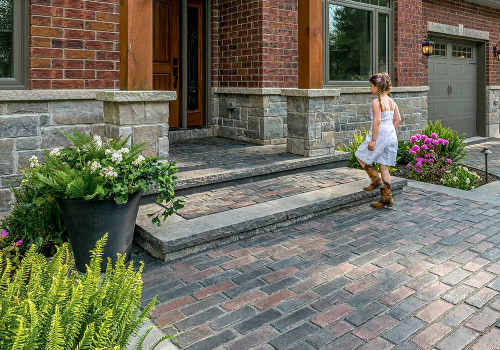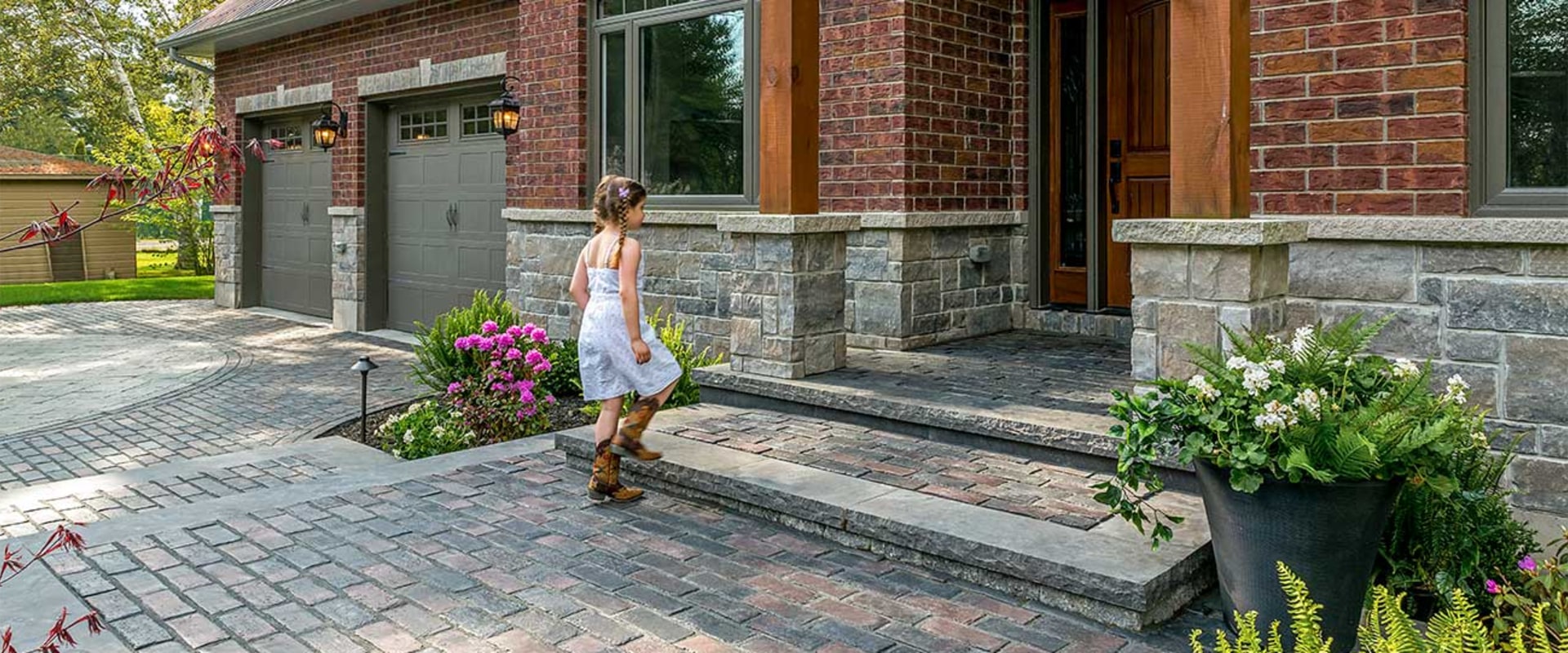
Paver installation is a crucial aspect of both landscaping and hardscaping, transforming ordinary outdoor spaces into visually appealing and functional areas. Whether you are looking to create a stunning patio, a durable driveway, or an inviting walkway, understanding the fundamentals of paver installation is essential. This process involves not just laying down stones but also considering the design, materials, and patterns that will enhance the overall aesthetic and utility of your space. One of the primary benefits of paver installation is its versatility. Pavers come in various shapes, sizes, colors, and materials, allowing homeowners to customize their outdoor areas to reflect their personal style.
Additionally, pavers are known for their durability and low maintenance requirements compared to traditional concrete or asphalt surfaces. This makes them an attractive option for those looking to invest in long-lasting outdoor solutions. As we delve deeper into the world of paver installation, we will explore various patterns that can be employed to maximize both beauty and functionality. From classic herringbone to modern basketweave designs, each pattern offers unique advantages that can complement different architectural styles and landscaping themes. Understanding these patterns not only helps in making informed decisions but also ensures that your outdoor space stands out while serving its intended purpose effectively.
Factors to Consider When Choosing a Paver Pattern
When it comes to paver installation, selecting the right pattern is crucial for both aesthetic appeal and functionality.Here are some key factors to consider when choosing a paver pattern:
- Aesthetics: The visual impact of your paver pattern can significantly influence the overall look of your outdoor space. Consider the architectural style of your home and the surrounding landscape. For instance, a modern home may benefit from sleek, linear patterns, while a rustic setting might be better suited for more traditional designs.
- Functionality: Think about how the area will be used. High-traffic zones may require patterns that provide better traction and stability.
For example, herringbone or basketweave patterns can enhance grip, making them ideal for driveways or walkways.
- Environmental Considerations: Drainage is an essential factor in paver installation. Some patterns allow for better water runoff than others. Permeable paver patterns can help manage stormwater and reduce flooding, making them an eco-friendly choice.
- Maintenance: Different patterns may require varying levels of maintenance. Simpler designs may be easier to clean and repair, while intricate patterns could necessitate more effort to maintain their appearance over time.
- Cost: The complexity of the pattern can also affect the overall cost of paver installation.
More elaborate designs may require additional labor and materials, so it’s essential to balance your budget with your desired aesthetic.
Popular Paver Patterns and Their Applications
When it comes to paver installation, the choice of pattern can significantly influence both the aesthetic appeal and functionality of your outdoor space. Here are some of the most popular paver patterns and their ideal applications:- Herringbone Pattern: This classic design features rectangular pavers arranged in a zigzag pattern. The herringbone layout is not only visually striking but also provides excellent stability, making it perfect for high-traffic areas such as driveways and walkways.
- Basketweave Pattern: Comprising pairs of pavers laid in alternating directions, the basketweave pattern offers a unique texture that can enhance the charm of patios and garden paths.
This pattern is particularly effective in smaller spaces where a more intricate design can create visual interest.
- Running Bond Pattern: One of the simplest and most versatile patterns, the running bond consists of rectangular pavers laid in a staggered formation. This layout is ideal for larger areas like pool decks or commercial spaces, as it allows for easy installation and maintenance.
- Stacked Bond Pattern: Featuring pavers aligned directly on top of one another, the stacked bond pattern creates a clean, modern look. It works well in contemporary settings and is often used for patios or outdoor living areas where a minimalist aesthetic is desired.
Step-by-Step Guide to Installing Pavers in Different Patterns
Installing pavers can transform your outdoor space, and choosing the right pattern is crucial for both aesthetics and functionality.Here’s a step-by-step guide to help you through the process of paver installation using various patterns.
Preparation
Before you start laying pavers, proper preparation is essential:- Choose Your Pattern: Common patterns include herringbone, basketweave, and running bond. Each has its unique appeal and complexity.
- Gather Materials: Ensure you have enough pavers, sand, gravel, and edging materials. A good rule of thumb is to order 10% more pavers than your calculated area to account for cuts and waste.
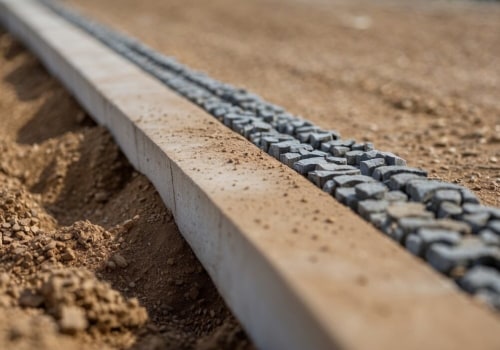
- Prepare the Base: Excavate the area to a depth of about 6-8 inches. Add a layer of gravel for drainage, followed by a layer of sand to create a stable base.
Laying the Pavers
Once your base is ready, it’s time to lay the pavers:- Start from a Corner: Begin laying pavers from one corner or edge of your designated area.
This will help maintain alignment.
- Use a Level: As you lay each paver, check for levelness. Adjust with sand as necessary to ensure a flat surface.
- Follow Your Pattern: For herringbone, lay pavers at a 45-degree angle; for running bond, stagger the joints. Consistency is key!
Finishing Touches
After all pavers are laid, complete your project with these final steps:- Add Joint Sand: Spread polymeric sand over the surface and sweep it into the joints between pavers. This helps lock them in place.
- Compact the Pavers: Use a plate compactor to ensure all pavers are set firmly in place.
- Clean Up: Remove any excess sand from the surface and enjoy your newly installed patio or walkway!
By following these instructions and selecting the right pattern, you can achieve a beautiful and durable outdoor space.
Common Mistakes to Avoid in Paver Installation
When it comes to paver installation, avoiding common mistakes can save you time, money, and frustration. Here are some frequent errors to watch out for:- Inadequate Base Preparation: One of the most critical steps in paver installation is ensuring a solid base. Skipping this step or using insufficient materials can lead to shifting and settling over time. Always excavate to the appropriate depth and use a compacted base of gravel or sand.
- Poor Drainage Planning: Failing to account for drainage can result in water pooling on your pavers, leading to damage and erosion.
Ensure that your installation site has proper grading and drainage solutions in place.
- Incorrect Paver Alignment: Misaligned pavers not only look unprofessional but can also create tripping hazards. Use string lines or a laser level to maintain straight edges and consistent spacing throughout the installation.
- Neglecting Joint Sand: After laying your pavers, it's essential to fill the joints with sand to lock them in place. Skipping this step can lead to weed growth and shifting pavers. Use polymeric sand for added stability and weed resistance.
- Ignoring Weather Conditions: Installing pavers during extreme weather conditions can affect the curing process of the base materials.
Aim for moderate temperatures and avoid rainy days to ensure optimal results.
Maintenance Tips for Paved Surfaces
Maintaining your paved surfaces is crucial for ensuring their longevity and aesthetic appeal. Proper paver maintenance not only enhances the beauty of your outdoor spaces but also prevents costly repairs in the future. Here are some essential tips to keep your pavers in top condition:- Regular Cleaning: Sweep your paved areas regularly to remove dirt, leaves, and debris.
For deeper cleaning, use a pressure washer with a mild detergent to eliminate stains and grime.
- Weed Control: Weeds can grow between pavers, disrupting their appearance and stability. Use a weed killer or pull them out by hand. Consider applying polymeric sand in the joints to prevent weed growth.
- Sealing Pavers: Applying a sealant every few years can protect your pavers from stains, moisture, and UV damage. Choose a sealant that is appropriate for the type of pavers you have installed.
- Repairing Damaged Pavers: Inspect your paved surfaces regularly for cracks or chips.
Replace any damaged pavers promptly to prevent further deterioration.
- Addressing Drainage Issues: Ensure that water drains away from your paved areas to avoid pooling, which can lead to erosion and damage. If necessary, adjust the grading or install drainage solutions.
FAQs About Paver Installation Patterns
When considering paver installation, many homeowners have questions about the best patterns to use. Here are some frequently asked questions that can help clarify your doubts:- What is the most popular paver pattern?
The running bond pattern is one of the most popular choices due to its simplicity and versatility.It involves laying pavers in a staggered formation, which not only enhances stability but also creates a classic look.
- Can I mix different paver patterns?
Yes, mixing patterns can create a unique aesthetic. However, it’s essential to ensure that the patterns complement each other and maintain a cohesive design throughout your space. - What are the benefits of using a herringbone pattern?
The herringbone pattern is known for its strength and durability. This interlocking design distributes weight evenly, making it ideal for driveways and high-traffic areas. - How do I choose the right pattern for my project?
Consider factors such as the size of the area, the intended use, and your personal style. For smaller spaces, simpler patterns like the basketweave may work better, while larger areas can accommodate more intricate designs. - Are there any patterns that are easier to install?
Patterns like the grid or stacked bond are generally easier for DIY enthusiasts to install due to their straightforward layout.These patterns require less cutting and can be laid quickly.
Conclusion: Making the Right Choice for Your Paving Project
In conclusion, selecting the right pattern for your paver installation is crucial for achieving both aesthetic appeal and functional durability. Throughout this article, we have explored various patterns, including the classic herringbone, the versatile running bond, and the intricate basketweave. Each pattern offers unique benefits that can enhance the overall look of your outdoor space while ensuring stability and longevity.When deciding on a pattern, consider the following key factors:- Style: The design of your home and landscape should guide your choice. A modern home may benefit from a sleek running bond, while a traditional setting might be better suited for a herringbone pattern.
- Functionality: Think about how the area will be used.
High-traffic zones may require more robust patterns that provide better interlocking and stability.
- Maintenance: Some patterns may require more upkeep than others. For instance, intricate designs can trap debris, while simpler layouts may be easier to clean.
- Budget: Certain patterns may involve more complex installation techniques, which can increase labor costs. Assess your budget to find a balance between aesthetics and affordability.