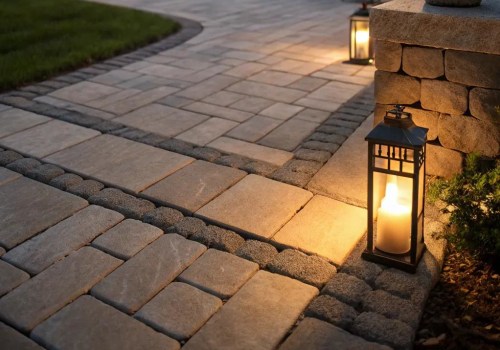
Paver installation is a popular choice for homeowners and landscapers alike, offering a versatile and aesthetically pleasing solution for driveways, patios, and walkways. This method involves laying individual stones or bricks in a specific pattern, creating a durable surface that can withstand the elements and heavy foot traffic. However, the success of any paver project hinges on one critical aspect: proper compaction of the base material and sand or gravel. Understanding the importance of paver installation goes beyond just the visual appeal; it encompasses the structural integrity of the paved area. A well-compacted base ensures that the pavers remain stable over time, preventing issues such as shifting, settling, or cracking.
When the base material is compacted correctly, it provides a solid foundation that supports the weight of the pavers and any loads they may bear. Moreover, proper compaction aids in drainage, reducing the risk of water pooling on the surface. This is particularly crucial in areas prone to heavy rainfall or snowmelt. By ensuring that your base material and sand or gravel are compacted effectively, you not only enhance the longevity of your paver installation but also contribute to a safer and more functional outdoor space.
The Importance of Proper Compaction in Paver Installation
When it comes to paver installation, the significance of proper compaction cannot be overstated. Compaction is the process of densifying the base material and sand or gravel layers, which is essential for creating a stable foundation for your pavers.Without adequate compaction, the risk of shifting, settling, and uneven surfaces increases significantly.
Why Compact Base Material?
- Stability: A well-compacted base provides a solid and stable platform for pavers, ensuring they remain in place over time.
- Longevity: Proper compaction helps to extend the lifespan of your paver installation by reducing the likelihood of wear and tear caused by movement or shifting.
- Prevention of Shifting: Compacted materials are less prone to displacement due to environmental factors such as freeze-thaw cycles or heavy rainfall.
It not only ensures a visually appealing and functional outdoor space but also saves you from potential costly repairs down the line.
Materials Needed for Compaction
When preparing for paver installation, having the right materials and tools for compaction is crucial to ensure a stable and long-lasting surface. Below is a list of essential items you will need:- Base Materials: The foundation of your paver installation typically consists of several layers of base materials. Common options include:
- Crushed Stone: This is often the preferred choice due to its ability to provide excellent drainage and stability.
- Gravel: A well-graded gravel mix can also serve as a solid base, offering good drainage and compaction properties.
- Sand: A layer of sand is usually added on top of the base material to create a smooth surface for laying pavers.
- Compactor: A plate compactor or a jumping jack compactor is essential for compacting the base material. These machines apply force to compress the material, ensuring it is tightly packed.
- Hand Tamper: For smaller areas or tight spots where machinery cannot reach, a hand tamper can be used to manually compact the material.
- Leveling Tool: A long level or straight edge will help ensure that your base is even before laying pavers.
Preparing the Site for Paver Installation
Preparing the site for paver installation is a crucial step that sets the foundation for a successful project.Proper site preparation ensures that the pavers will be stable, level, and long-lasting. Here are the essential steps to follow:
- Clear the Area: Begin by removing any existing grass, plants, or debris from the area where the pavers will be installed. This includes rocks, roots, and any other obstructions that could interfere with the installation process.
- Mark the Layout: Use stakes and string to outline the desired shape of your paver installation. This visual guide will help you maintain straight lines and ensure that your layout is accurate.
- Excavate the Site: Dig down to a depth that accommodates both the base material and the pavers.
Typically, this depth should be around 6 to 8 inches, depending on the thickness of your pavers and the type of base material you plan to use.
- Check for Drainage: Ensure that the area has proper drainage to prevent water pooling. The site should slope away from any structures and towards designated drainage areas.
Compacting Base Material: Step-by-Step Guide
Properly compacting the base material is crucial for a successful paver installation.This process ensures that the foundation is stable, preventing future settling and shifting of the pavers. Follow this step-by-step guide to achieve optimal compaction results.
- Gather Your Tools: Before you begin, make sure you have the necessary tools. You will need a plate compactor, a shovel, a rake, and a level. A garden hose can also be useful for moistening the base material.
- Prepare the Base Material: Start by excavating the area where you plan to install the pavers.
Remove any debris, grass, or topsoil. The depth of your excavation should be at least 6-8 inches to accommodate the base material and pavers.
- Add Base Material: Once the area is cleared, add your base material, typically a mix of crushed stone or gravel. Spread it evenly across the excavated area using a rake.
- Moisten the Base Material: Lightly moisten the base material with water. This helps in achieving better compaction as it reduces dust and allows particles to bind together more effectively.
- Compact in Layers: It’s essential to compact the base material in layers.
Start with a layer no thicker than 4 inches. Use your plate compactor to compact this layer thoroughly. Move the compactor in overlapping passes to ensure even compaction.
- Check for Level: After compacting each layer, use a level to check that the surface is even and at the correct height for your pavers. Adjust as necessary by adding or removing material.
- Repeat as Necessary: Continue adding and compacting additional layers until you reach your desired height.
Each layer should be compacted before adding more material.
Compacting Sand/Gravel: Techniques and Tips
Compacting sand and gravel is a crucial step in paver installation, as it ensures a solid foundation that can withstand the weight and pressure of the pavers. Here are some effective techniques and tips to achieve optimal compaction.Techniques for Gravel Compaction
- Use a Plate Compactor: A plate compactor is an essential tool for compacting gravel. It vibrates and compresses the material, ensuring even distribution and density.
Make sure to operate it in overlapping passes to avoid leaving any loose areas.
- Moisten the Gravel: Before compacting, lightly moisten the gravel. This helps the particles stick together, enhancing compaction. However, avoid over-saturating, as too much water can lead to mud.
- Layering: Compact gravel in layers, ideally no more than 4 inches thick at a time. This method allows for better compaction and prevents air pockets from forming.
How to Compact Sand for Pavers
- Use a Screed Board: After spreading sand over the gravel base, use a screed board to level it out.
This creates a smooth surface for paver placement.
- Vibratory Plate Compactor: Similar to gravel, a vibratory plate compactor can be used on sand. Ensure that you compact the sand evenly to create a stable base.
- Check for Levelness: After compacting, use a level to check that the sand is even. Any high or low spots can lead to uneven paver installation.
Tips for Effective Sand Compaction
- Avoid Over-Compaction: While it’s important to compact sand, over-compacting can lead to a hard surface that doesn’t allow for proper drainage.
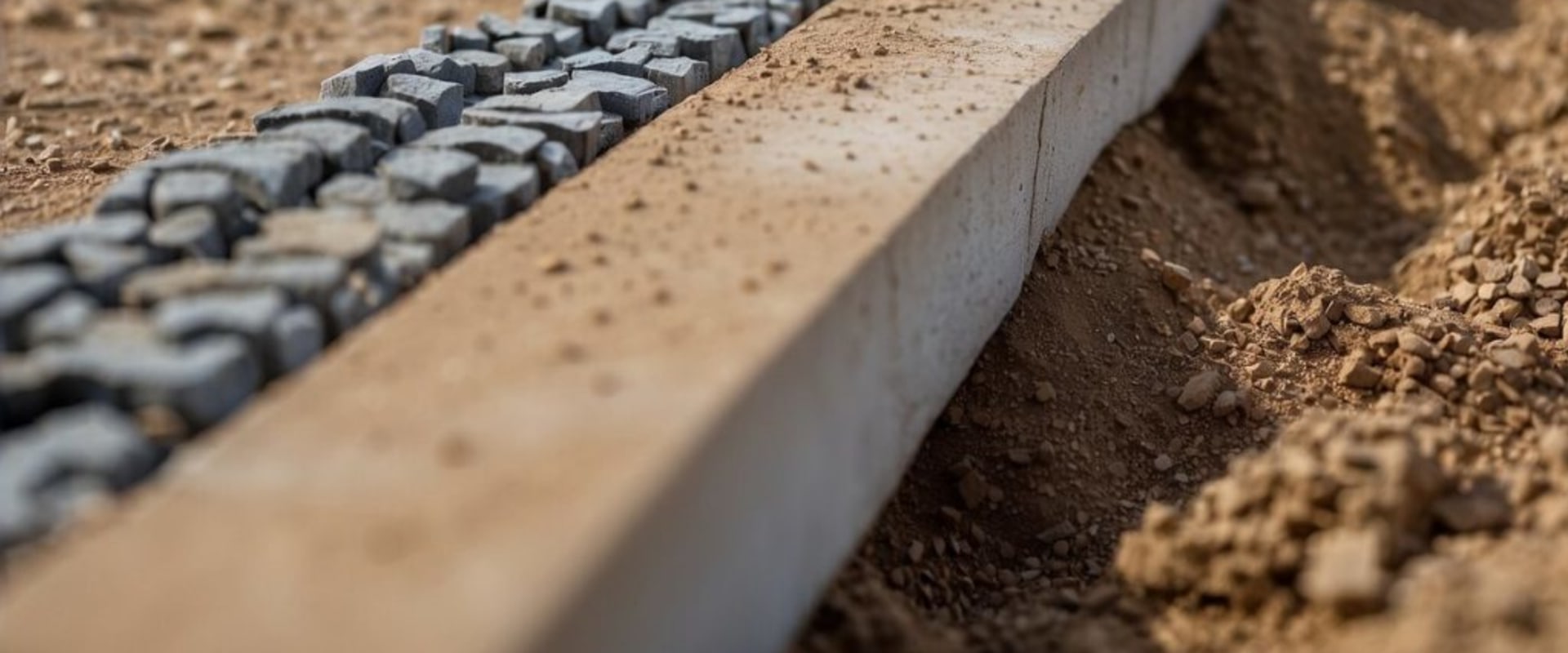
- Use Edge Restraints: Installing edge restraints before compacting can help maintain the shape of your sand bed and prevent shifting during the compaction process.
- Test with Foot Traffic: After compacting, walk on the sand to test its stability. If it feels too soft or gives way underfoot, additional compaction may be necessary.
Common Mistakes to Avoid During Compaction
When it comes to paver installation, the compaction process is critical for ensuring a stable and long-lasting surface.However, several common mistakes can undermine your efforts. Here are some key errors to avoid:
- Inadequate Compaction: One of the most frequent mistakes is not compacting the base material thoroughly. Insufficient compaction can lead to settling over time, causing uneven pavers. Always use a plate compactor or roller to achieve the necessary density.
- Skipping Layers: Compacting in layers is essential.
Many installers make the mistake of trying to compact the entire base at once. Instead, compact in 2-4 inch layers to ensure even distribution and stability.
- Ignoring Moisture Levels: Compaction is more effective when the base material is slightly moist. If the material is too dry, it may not compact properly, while overly wet conditions can lead to clumping. Aim for a damp consistency for optimal results.
- Using Incorrect Equipment: Not all compaction equipment is suitable for every job.
Using a machine that is too light may not provide adequate force, while one that is too heavy can damage the base material. Choose equipment that matches your specific project needs.
- Neglecting Edge Compaction: Many installers focus on the center of the area but forget to compact the edges. This oversight can lead to shifting pavers and gaps over time. Ensure that all areas, including edges, receive proper compaction.
Proper compaction not only enhances durability but also contributes to a visually appealing finish.
Frequently Asked Questions about Paver Installation Compaction
When it comes to paver installation, understanding the compaction process is crucial for achieving a stable and long-lasting surface. Here are some frequently asked questions that can help clarify common concerns regarding compaction.What is the purpose of compaction in paver installation?
Compaction serves to eliminate air pockets and voids in the base material, ensuring a solid foundation for the pavers. This process helps prevent settling and shifting over time, which can lead to uneven surfaces and potential damage.How do I know if my base material is properly compacted?
A well-compacted base should feel solid underfoot and not yield to pressure. You can perform a simple test by walking on the surface; if it feels firm and stable, it’s likely compacted correctly.Additionally, using a plate compactor or roller can help achieve the desired density.
What type of equipment is best for compaction?
- Plate Compactor: Ideal for smaller areas, it provides effective compaction for granular materials.
- Roller: Best suited for larger projects, it offers uniform compaction across extensive surfaces.
- Tamping Rammer: Useful for tight spaces where larger equipment cannot fit.
How many times should I compact the base material?
The number of passes required depends on the type of material used and the thickness of the layer. Generally, 2-4 passes with a plate compactor are recommended for optimal results. Always check the manufacturer's guidelines for specific recommendations.Can I skip compaction if I’m using high-quality materials?
No, even high-quality materials require proper compaction to ensure stability and longevity. Skipping this step can lead to future issues such as shifting or cracking of the pavers.By addressing these common questions about paver installation compaction, you can ensure a more successful project outcome.Proper preparation and understanding of the compaction process will lead to a durable and aesthetically pleasing paved surface.
Conclusion: Key Takeaways for Successful Paver Installation
In summary, achieving a successful paver installation hinges on the meticulous compaction of both the base material and the sand or gravel layer. Proper compaction not only enhances the stability of the pavers but also extends their lifespan, ensuring that your hardscape remains visually appealing and functional for years to come.- Understand the Importance of Compaction: Compaction is crucial for preventing settling and shifting of pavers. A well-compacted base provides a solid foundation that can withstand heavy loads and resist erosion.
- Select the Right Equipment: Using a plate compactor or roller is essential for achieving optimal results. Ensure that the equipment is suitable for the size of your project and the type of base material used.
- Layering Technique: When installing your base material, it’s important to compact in layers.
This means adding material in increments, compacting each layer thoroughly before adding more. This method helps achieve a denser and more stable base.
- Moisture Control: Slightly moistening the base material before compaction can enhance its density. However, avoid over-saturation, as this can lead to instability.
- Final Compaction: After laying the pavers, perform a final compaction to ensure they are set firmly in place. This step is vital for locking the pavers together and preventing movement.
Remember, investing time in proper compaction techniques will pay off in the long run, reducing maintenance needs and enhancing the durability of your outdoor spaces.