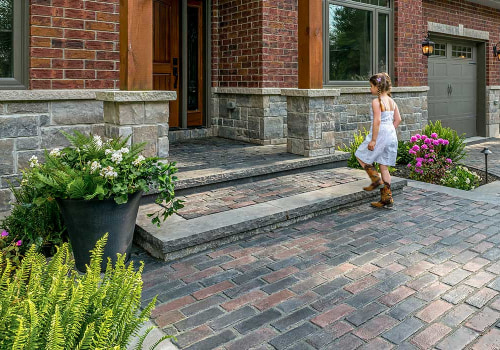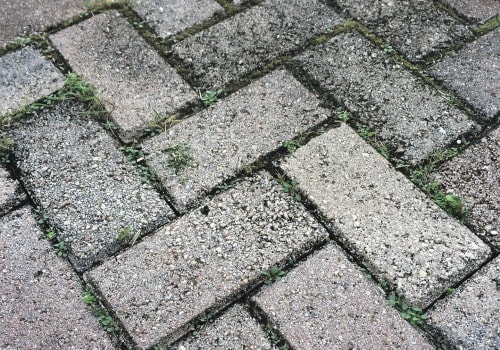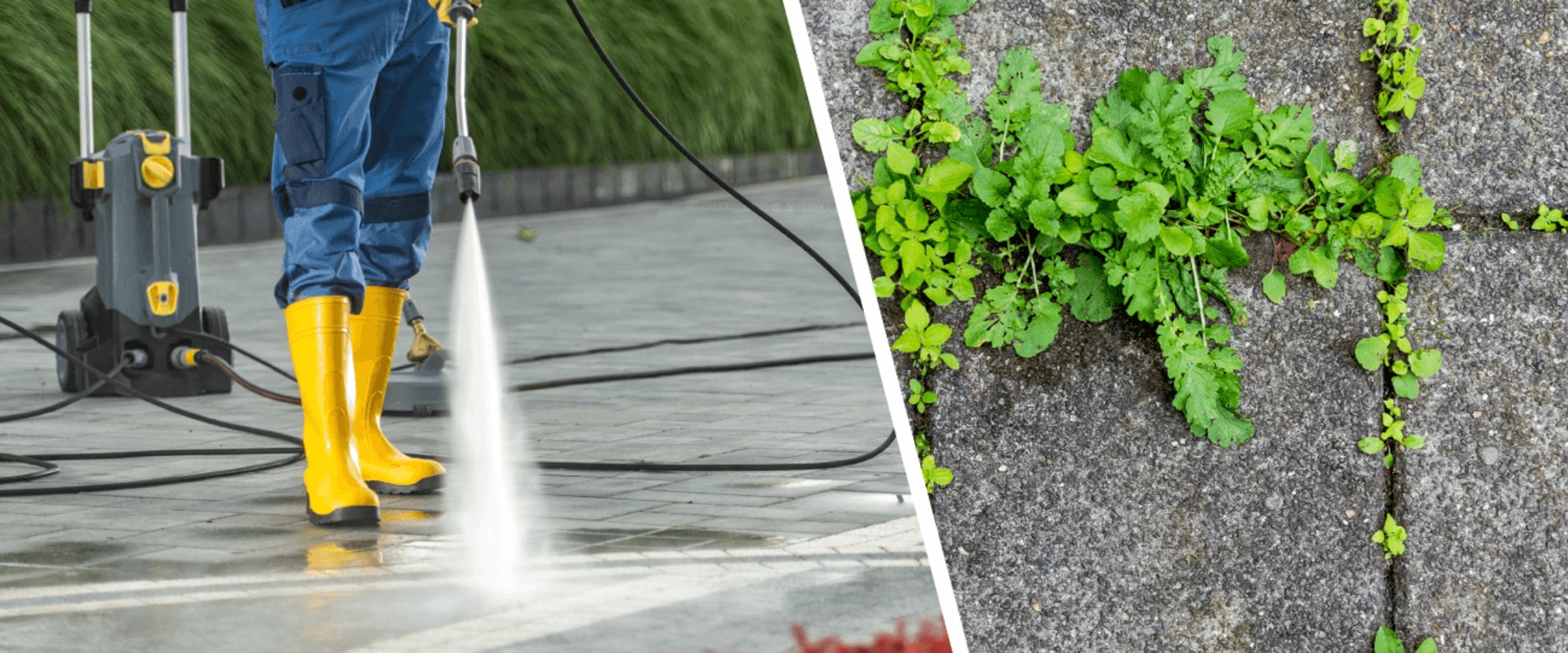
When it comes to paver installation, one of the most persistent challenges homeowners face is the growth of weeds between pavers. These unwelcome plants not only detract from the visual appeal of your outdoor space but can also lead to more significant maintenance issues over time. Weeds thrive in the small gaps between pavers, where they find just enough soil and moisture to establish roots. This problem is particularly common in areas with fluctuating weather conditions, where rain and sun create an ideal environment for weed growth.The presence of weeds can significantly impact the overall aesthetics of your hardscaping.
A beautifully installed patio or walkway can quickly lose its charm when unsightly weeds poke through the joints, creating an unkempt appearance. Moreover, allowing weeds to flourish can lead to further complications, such as shifting pavers or damage to the underlying structure. This not only affects the longevity of your installation but may also require costly repairs or replacements.Understanding the reasons behind weed growth in paver installations is crucial for effective weed prevention. Factors such as poor drainage, inadequate joint filling, and lack of proper maintenance can all contribute to this issue.
By addressing these underlying causes during the installation process and implementing preventive measures, homeowners can enjoy a stunning outdoor space free from the hassle of persistent weeds.
Choosing the Right Paver Materials
When it comes to paver installation, selecting the right materials is crucial not only for aesthetic appeal but also for minimizing weed growth. Certain types of pavers are inherently more resistant to weeds, making them a smart choice for homeowners looking to maintain a clean and tidy outdoor space.Best Paver Materials
- Concrete Pavers: These are among the most popular choices due to their durability and versatility. Concrete pavers can be manufactured with a tight fit, reducing the gaps where weeds can take root.
- Porcelain Pavers: Known for their low porosity, porcelain pavers are less likely to allow weed seeds to settle and germinate. Their smooth surface also makes it harder for weeds to establish.
- Natural Stone Pavers: While often more expensive, natural stone options like granite or slate provide a unique look and can be installed with minimal joints, which helps in preventing weed growth.
Paver Types and Weed Resistance
In addition to material selection, the type of paver you choose can significantly impact weed prevention.
For instance:
- Interlocking Pavers: These pavers fit together tightly, creating a solid surface that discourages weed growth. Their design allows for better stability and reduces the likelihood of shifting that can create gaps.
- Permeable Pavers: While these allow water to drain through, they can be designed with specific aggregates that minimize weed growth. However, regular maintenance is still necessary to keep them clear of debris.
Weed-Resistant Pavers
When considering weed-resistant pavers, look for options that come with built-in features such as anti-weed technology or those treated with herbicides during manufacturing. Additionally, using polymeric sand in the joints during installation can further inhibit weed growth by hardening and filling gaps effectively.Ultimately, investing in the right paver materials not only enhances the beauty of your outdoor space but also significantly reduces the effort required for maintenance, allowing you to enjoy your patio or walkway without the hassle of persistent weeds.
Proper Installation Techniques to Minimize Weeds
When it comes to paver installation, employing the right techniques is crucial not only for aesthetic appeal but also for minimizing weed growth.Here are some essential methods to consider:
- Base Preparation: A solid foundation is key. Begin by excavating the area to a depth of at least 6-8 inches, depending on the type of pavers and soil conditions. This depth allows for a proper base layer of crushed stone or gravel, which should be compacted thoroughly. A well-prepared base prevents weeds from taking root.
- Use of Landscape Fabric: Installing a layer of landscape fabric over the compacted base can act as a barrier against weed growth.
This fabric allows water to drain while blocking sunlight, which is essential for weed germination.
- Joint Filling: After laying the pavers, fill the joints with a high-quality polymeric sand. This type of sand hardens when wet, creating a solid barrier that deters weed growth. Ensure that you sweep the sand into the joints thoroughly and compact it to eliminate any gaps.
- Sealing Pavers: Consider applying a sealant after installation. A good sealant not only enhances the color and finish of your pavers but also provides an additional layer of protection against weeds and other contaminants.
Using Joint Fillers and Sealants Effectively
To effectively prevent weeds from growing between pavers, utilizing joint fillers and sealants is essential.These products not only enhance the aesthetic appeal of your paved surfaces but also create a barrier against weed growth.
Joint Fillers for Pavers
Joint fillers are materials used to fill the gaps between pavers, providing stability and preventing movement. There are several types of joint fillers available:- Polymeric Sand: This is a popular choice for residential paver installations. It contains additives that harden when wet, locking the sand in place and preventing weed seeds from taking root.
- Gravel: Using small gravel as a joint filler can also deter weed growth. It allows for drainage while creating a less hospitable environment for weeds.
- Mortar: For a more permanent solution, mortar can be used to fill joints.
This method is often employed in high-traffic areas where stability is crucial.
Sealants for Pavers
Paver sealants serve as an additional layer of protection against weeds and other environmental factors. They work by sealing the surface of the pavers and the joints, making it difficult for weeds to penetrate. Here are some common types of sealants:- Acrylic Sealants: These are easy to apply and provide a glossy finish, enhancing the color of the pavers while offering some weed prevention.
- Polyurethane Sealants: Known for their durability, these sealants create a strong barrier against moisture and weeds, making them ideal for areas with heavy rainfall.
- Penetrating Sealers: These sealers soak into the paver material, providing long-lasting protection without altering the appearance significantly.
Regular maintenance, including reapplication of sealants as needed, will ensure that your paved surfaces remain weed-free and visually appealing.
Regular Maintenance Practices to Keep Weeds at Bay
To effectively prevent weeds from taking root between your pavers after paver installation, regular maintenance is essential. Here are some practical tips to keep your outdoor space looking pristine:- Regular Cleaning: Sweep the surface of your pavers regularly to remove debris, leaves, and dirt. This not only enhances the appearance but also reduces the chances of weed seeds settling in.
- Inspect for Gaps: Periodically check for any gaps or cracks between the pavers. If you notice any, fill them with sand or polymeric jointing material to create a barrier against weed growth.
- Use a Pressure Washer: A pressure washer can be an effective tool for cleaning pavers.
It helps remove stubborn dirt and algae that can harbor weed seeds. However, use it cautiously to avoid displacing the jointing material.
- Apply Weed Control Products: Consider using eco-friendly herbicides or natural weed control methods, such as vinegar or boiling water, to target any emerging weeds without harming your pavers.
- Mulching: If your pavers are surrounded by garden beds, apply mulch around the edges. This not only suppresses weed growth but also adds an aesthetic appeal to your landscape.
Natural and Chemical Weed Control Solutions
When it comes to controlling weeds that sprout between pavers, both natural and chemical solutions have their merits.Understanding the pros and cons of each can help you make an informed decision that aligns with your gardening philosophy and environmental concerns.
Natural Weed Control Solutions
Natural methods for weed control are often favored for their eco-friendliness and safety. Here are some effective options:- Boiling Water: Pouring boiling water directly onto weeds can effectively kill them without harming the surrounding pavers.
- Vinegar: A solution of vinegar (especially white vinegar) can be sprayed on weeds. The acetic acid in vinegar dehydrates the plants, leading to their demise.
- Mulching: Applying a layer of organic mulch around your pavers can suppress weed growth by blocking sunlight and retaining moisture.
- Salt: Salt can be an effective weed killer, but it should be used sparingly as it can also harm surrounding plants and soil health.
Chemical Weed Killers
Chemical herbicides offer a more aggressive approach to weed control. Here are some common options:- Glyphosate: This systemic herbicide targets the entire plant, making it effective for deep-rooted weeds.
However, it is important to apply it carefully to avoid harming desirable plants.
- Pre-emergent Herbicides: These products prevent weed seeds from germinating and are best applied before weeds appear. They can provide long-lasting protection but may require reapplication.
- Selective Herbicides: These target specific types of weeds while leaving other plants unharmed. They are useful in mixed plantings but should be chosen carefully based on the weed type.
FAQs About Weeds and Paver Installation
When it comes to paver installation, many homeowners have concerns about the potential for weeds to grow between the stones.Here are some frequently asked questions that can help clarify this issue:
- What causes weeds to grow between pavers?
Weeds typically grow in the gaps between pavers due to the presence of soil, moisture, and sunlight. If these conditions are met, seeds can germinate and take root. - How can I prevent weeds from growing after paver installation?
To effectively prevent weeds, consider using a combination of methods such as: - Polymeric sand: This type of sand hardens when wet, filling gaps and creating a barrier against weed growth.
- Weed barriers: Installing a landscape fabric beneath the pavers can help block weed seeds from reaching the surface.
- Regular maintenance: Regularly sweeping and cleaning the joints can help remove any debris that may encourage weed growth.
- Is it necessary to use chemicals for weed control?
While some homeowners opt for chemical herbicides, many prefer natural alternatives. Vinegar or boiling water can be effective in killing weeds without harming the environment. - How often should I check for weeds after installation?
It’s advisable to inspect your paver installation at least once a month. Early detection allows for quick removal before weeds establish deep roots.
Conclusion: Best Practices for Weed Prevention in Paver Installations
In conclusion, preventing weeds from growing between pavers is essential for maintaining the aesthetic appeal and structural integrity of your outdoor spaces.By implementing the best practices discussed throughout this article, you can significantly reduce the likelihood of weed growth and ensure a long-lasting paver installation.Proper Installation is the foundation of effective weed prevention. Ensuring that pavers are laid on a well-prepared base, with adequate drainage and compaction, minimizes the chances of weed seeds taking root. Additionally, using a high-quality jointing material, such as polymeric sand, can create a barrier that inhibits weed growth while allowing for proper water drainage.Regular Maintenance is equally important. Routine inspections and prompt removal of any emerging weeds can prevent them from establishing deep roots.
Consider incorporating a weed barrier fabric beneath your pavers to provide an extra layer of protection against unwanted vegetation. Furthermore, applying a pre-emergent herbicide during the early spring can help control weed seeds before they germinate. This proactive approach, combined with diligent maintenance practices, will keep your paver surfaces looking pristine. Lastly, remember that environmental factors , such as sunlight and moisture levels, play a significant role in weed growth. By choosing the right location for your paver installation and ensuring proper drainage, you can create an environment that is less conducive to weeds. By following these best practices for weed prevention in paver installations, you can enjoy a beautiful outdoor space free from the hassle of persistent weeds.