Paver installation is a crucial aspect of landscaping that can significantly enhance the aesthetic appeal and functionality of outdoor spaces. Whether you are creating a patio, walkway, or driveway, the choice of materials and installation techniques plays a vital role in the durability and appearance of your project. Among the various considerations, the use of sand or gravel between pavers is a topic that often arises, as it can influence both the stability and drainage of your paved surface. Understanding the importance of proper paver installation is essential for achieving long-lasting results. The right materials not only provide a solid foundation but also help prevent shifting and settling over time.
As you embark on your paver project, it’s important to consider how different materials, such as sand and gravel, can affect the overall performance of your installation. Each option has its unique benefits and drawbacks, making it essential to evaluate them based on your specific needs. In this article, we will delve deeper into the role of sand and gravel in paver installation, exploring their functions, advantages, and how they contribute to a successful outdoor design. By understanding these elements, you can make informed decisions that will lead to a beautiful and enduring paved area that complements your landscape.
The Basics of Paver Installation
When embarking on a paver installation project, understanding the fundamentals is essential for achieving a durable and aesthetically pleasing result. The process begins with selecting the right type of pavers, which can significantly influence both the installation method and the final appearance of your outdoor space.Types of Pavers
- Concrete Pavers: These are versatile and come in various shapes, sizes, and colors.
They are known for their durability and low maintenance.
- Brick Pavers: Made from fired clay, brick pavers offer a classic look and are highly durable. They are often used for patios and walkways.
- Natural Stone Pavers: Options like granite, slate, and limestone provide a unique, natural aesthetic. They can be more expensive but add significant value to your property.
- Porcelain Pavers: These are gaining popularity due to their resistance to moisture and stains, making them ideal for pool areas.
Benefits of Using Pavers
Pavers offer numerous advantages that make them a preferred choice for many homeowners:- Durability: Pavers can withstand heavy loads and resist cracking, making them suitable for driveways and high-traffic areas.
- Aesthetic Appeal: With a wide range of colors and designs, pavers can enhance the visual appeal of any outdoor space.
- Easy Repair: If a paver becomes damaged, it can be easily replaced without disturbing the surrounding pavers.
- Permeability: Many paver systems allow water to drain through, reducing runoff and promoting better drainage in your landscape.
The Role of Base Material in Paver Installation
When it comes to paver installation, the significance of a solid base material cannot be overstated.A well-constructed base layer is essential for ensuring the longevity and stability of your pavers. Among various options, gravel stands out as a popular choice due to its numerous benefits.
Importance of Base Layer
- Stability: A gravel base provides a stable foundation that helps distribute weight evenly across the surface. This prevents shifting and settling over time, which can lead to uneven pavers and potential trip hazards.
- Drainage: Proper drainage is crucial in preventing water accumulation, which can erode the base and damage the pavers. Gravel allows water to flow through easily, reducing the risk of pooling and promoting a healthier landscape.
- Weed Control: A well-prepared gravel base can also help deter weed growth.
By creating a barrier between the soil and the pavers, you minimize the chances of weeds pushing through and disrupting the aesthetic appeal of your installation.
Choosing Gravel for Your Base
When selecting gravel for your paver installation, consider using crushed stone or angular gravel. These types interlock better than rounded gravel, providing enhanced stability. Aim for a depth of at least 4 to 6 inches of gravel, compacted properly to create a solid foundation.In conclusion, investing time and resources into a quality base material like gravel is crucial for successful paver installation. Not only does it enhance durability and stability, but it also contributes to effective drainage and weed control, ensuring your outdoor space remains beautiful and functional for years to come.
Sand vs.
Gravel: Which is Better Between Pavers?When it comes to paver installation, choosing the right material to place between pavers is crucial for both aesthetics and functionality. The two most common options are sand and gravel, each offering distinct advantages and disadvantages.
Sand Between Pavers
Using sand as a filler between pavers is a popular choice due to its fine texture and ability to create a smooth surface. Here are some pros and cons:- Pros:
- Stability: Sand can help lock pavers in place, reducing movement over time.
- Aesthetic Appeal: The fine grains of sand can enhance the overall look of the paved area.
- Drainage: Sand allows for good water drainage, preventing pooling on the surface.
- Cons:
- Erosion: Over time, sand can wash away, requiring periodic replenishment.
- Weed Growth: If not properly maintained, sand can promote weed growth between pavers.
Gravel Between Pavers
Gravel is another option that offers a different set of benefits and drawbacks. Here’s what you need to know:- Pros:
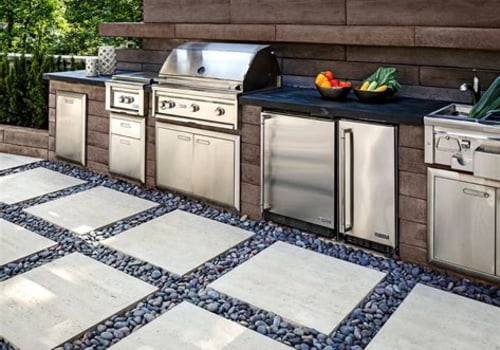
- Diverse Aesthetics: Gravel comes in various sizes and colors, allowing for creative design options.
- Weed Resistance: Larger gravel stones can deter weed growth more effectively than sand.
- Drainage Efficiency: Gravel provides excellent drainage, reducing the risk of water accumulation.
- Cons:
- Movement: Gravel can shift more easily than sand, potentially leading to uneven surfaces.
- Maintenance: It may require more frequent maintenance to keep the gravel in place and looking tidy.
Consider these factors carefully to make an informed decision that will enhance the longevity and appearance of your paved area.
Installation Techniques: Using Sand or Gravel Between Pavers
When it comes to paver installation, the choice between using sand or gravel as a base material can significantly impact the durability and appearance of your paved surface. Each material has its own advantages, and understanding how to use them effectively is crucial for a successful project.Using Sand Between Pavers
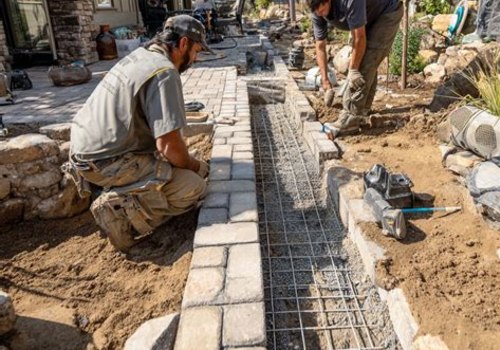
Installing pavers with sand is a popular technique that provides flexibility and ease of adjustment. Here’s a step-by-step guide:- Prepare the Base: Start by excavating the area where you plan to install the pavers. Ensure the ground is level and compacted to prevent shifting.
- Add a Base Layer: Lay down a layer of crushed stone or gravel, about 4-6 inches deep, and compact it thoroughly.
- Install Sand: Spread a layer of coarse sand (about 1 inch thick) over the compacted base.
Use a screed board to level the sand evenly.
- Place Pavers: Begin laying your pavers in your desired pattern, ensuring they fit snugly together. Leave small gaps for sand to fill in later.
- Fill Gaps with Sand: Once all pavers are laid, sweep fine sand into the joints between them. This helps lock the pavers in place and prevents weed growth.
Using Gravel Between Pavers
If you prefer a more stable and drainage-friendly option, using gravel can be beneficial. Follow these steps for installation:- Excavate and Prepare: Similar to the sand method, start by excavating the area and ensuring it is level.
- Create a Gravel Base: Lay down a thicker layer of gravel (around 2-4 inches) as your base.
This will provide excellent drainage and stability.
- Add Pavers: Place your pavers directly on top of the gravel base, ensuring they are aligned properly.
- Fill Gaps with Gravel: Instead of sand, fill the joints between pavers with smaller gravel or stone chips. This allows for better drainage while still keeping the pavers secure.
Common Mistakes to Avoid in Paver Installation
When it comes to paver installation, avoiding common mistakes can significantly enhance the durability and appearance of your project. One of the most frequent errors is neglecting the proper use of sand and gravel.Here are some pitfalls to watch out for:
- Skipping the Base Layer: A common mistake is not using a gravel base. This layer provides essential drainage and stability. Without it, pavers can shift or settle unevenly over time.
- Inadequate Compaction: Failing to compact the gravel properly can lead to future problems. Ensure that the base is well-compacted before laying pavers to prevent sinking.
- Using the Wrong Type of Sand: Not all sand is created equal.
Using coarse sand instead of fine sand for joint filling can lead to gaps and weed growth. Always opt for polymeric sand or fine sand specifically designed for paver joints.
- Paver Placement Without Sand: Some installers mistakenly place pavers directly on gravel without a sand layer. This can cause uneven surfaces and make it difficult to achieve a level finish.
- Neglecting Joint Filling: After installation, failing to fill joints with sand can lead to shifting pavers and weed growth. Make sure to sweep sand into the joints thoroughly.
Taking the time to prepare properly will save you both time and money in the long run.
FAQs About Sand and Gravel in Paver Installation
When it comes to paver installation, many homeowners and DIY enthusiasts have questions about the use of sand and gravel. Here are some frequently asked questions that can help clarify their roles in the process.- Do I need sand between pavers?
Yes, using sand between pavers is essential for stability and drainage. It helps to fill the joints, preventing weeds from growing and allowing water to flow through, which reduces the risk of erosion. - Can I use gravel instead of sand?
While gravel can be used in some cases, it is not typically recommended for filling joints between pavers. Gravel may shift more easily than sand, leading to uneven surfaces over time. - What type of sand is best for paver installation?
The best type of sand for paver installation is polymeric sand.This special type of sand contains additives that help it harden when wet, providing a more durable joint that resists weed growth and insect infestations.
- How deep should the sand layer be?
A layer of 1 to 2 inches of sand is generally recommended for proper leveling before laying the pavers. This depth allows for adequate support while ensuring that the pavers can settle into place. - Is gravel necessary under pavers?
Yes, a base layer of gravel is crucial for proper drainage and stability. A depth of 4 to 6 inches of compacted gravel provides a solid foundation that helps prevent shifting and settling over time.
Conclusion: Making the Right Choice for Your Paver Project
In conclusion, the decision to use sand or gravel between pavers is a critical aspect of your paver installation project that can significantly impact the durability and aesthetics of your outdoor space.Throughout this article, we have explored the advantages and disadvantages of both materials, providing you with the insights needed to make an informed choice.
Key Takeaways:
- Sand offers flexibility and ease of installation, making it a popular choice for many DIY enthusiasts. It allows for slight adjustments in paver positioning and can help with drainage.
- Gravel, on the other hand, provides superior stability and support, reducing the risk of shifting over time. It is particularly beneficial in areas with heavy foot traffic or where pavers are subjected to significant weight.
- The choice between sand and gravel also depends on your local climate and soil conditions. For instance, in regions prone to heavy rainfall, gravel may be more effective in preventing erosion and ensuring proper drainage.
- Ultimately, consider the long-term maintenance and aesthetic appeal of your installation.
While sand may require more frequent replenishment, gravel can create a more robust foundation.