Paver installations are a popular choice for enhancing driveways, patios, walkways, pool decks, and outdoor living spaces because they offer durability, versatility, and timeless visual appeal. While the finished surface often receives the most attention, the long-term performance of a paver installation depends largely on the planning and preparation that take place before the first paver is laid. Factors such as soil conditions, grading, drainage, and load distribution all influence whether a paved surface remains stable or begins to shift, settle, or crack over time. Structural engineers contribute valuable expertise by evaluating these underlying conditions and helping ensure that every component of the installation is designed to perform reliably under expected environmental conditions and daily use.
Understanding the Ground Beneath the Surface
The stability of any paver system begins with the soil supporting it. Different soil types respond differently to moisture, temperature changes, and loading, making site evaluation an important step before construction begins. Weak or poorly compacted soil can lead to uneven settlement that causes pavers to shift out of alignment or develop low spots. Structural engineers evaluate site conditions to determine whether additional excavation, soil stabilization, or reinforced base preparation is necessary to create a dependable foundation. By addressing these issues early, they help contractors minimize future movement while improving the durability and longevity of the finished hardscape.
Managing Load Distribution Effectively
Not every paved surface experiences the same type of loading. A decorative garden walkway has very different structural requirements than a residential driveway that regularly supports multiple vehicles or service equipment. Structural engineers assess anticipated loads and recommend base thickness, compaction requirements, and installation methods that distribute weight evenly across the entire paved area. Proper load distribution helps prevent localized settlement, cracked edging, and surface deformation that can occur when concentrated loads exceed the capacity of the supporting materials. During larger development projects, engineers may also coordinate hardscape planning with broader engineering evaluations, including structural peer review, to help verify that overall site designs support both structural performance and long-term reliability.
Preventing Drainage-Related Failures
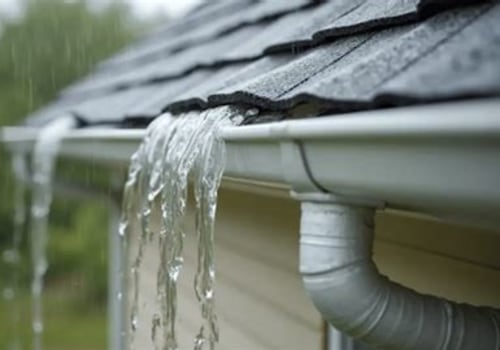
Water is one of the most common causes of paver installation problems. If drainage is not properly managed, water can infiltrate beneath the paver system, wash away bedding materials, weaken the compacted base, and contribute to uneven settlement. Standing water may also accelerate erosion and create slippery conditions that affect both safety and usability. Structural engineers carefully evaluate grading and drainage patterns to ensure that surface water flows away from paved areas and nearby foundations rather than collecting beneath the installation. Proper slopes, drainage systems, and water management strategies help preserve the structural integrity of both the paver system and surrounding property improvements while reducing future maintenance requirements.
Supporting Long-Term Performance
A successful paver installation should remain functional and visually appealing for many years with routine maintenance. Structural engineers contribute to this goal by identifying conditions that may influence long-term performance, including expansive soils, nearby tree roots, adjacent retaining walls, and changing site elevations. Their recommendations help create installations that accommodate normal environmental changes while minimizing the risk of shifting, heaving, or settlement. In addition, thoughtful structural planning makes future repairs or expansions easier because the original installation is built upon a stable, well-prepared foundation designed to support continued use.
Combining Engineering and Craftsmanship for Better Results
High-quality paver installations rely on more than skilled workmanship and attractive materials. They require careful coordination between site evaluation, structural planning, drainage design, and construction practices that address the specific conditions of each property. Structural engineers provide valuable insight into how outdoor surfaces interact with the surrounding landscape and built environment, helping prevent common problems before they occur. By incorporating engineering expertise early in the planning process, homeowners and contractors can create paved spaces that resist settlement, manage water effectively, and maintain their appearance for years to come. This proactive approach results in safer, more durable outdoor environments that deliver lasting value while supporting the overall stability and functionality of the property.