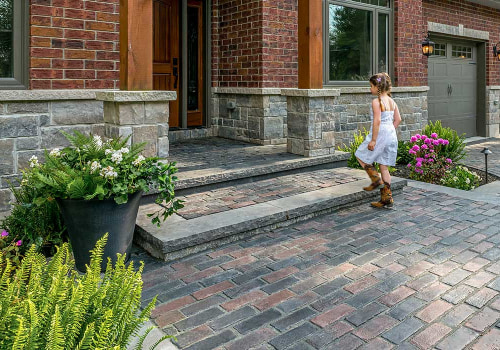
Paver installations are designed to create durable, visually appealing outdoor surfaces for patios, walkways, driveways, and entertainment areas. While many homeowners focus on the style, color, and layout of the pavers themselves, one of the most important factors affecting long-term stability is water management. Roofing drainage systems, particularly gutters and downspouts, play a major role in determining how water moves around these hardscape surfaces. When gutters overflow or fail to direct runoff properly, excess water can gradually weaken the foundation beneath paver installations. This hidden issue often develops slowly over time, making it difficult for homeowners to recognize the connection between roof drainage problems and shifting or uneven paver surfaces.
How Gutter Overflow Affects Soil Stability
Paver systems rely on compacted soil, gravel bases, and leveling materials to remain stable over many years. However, overflowing gutters can repeatedly saturate the soil surrounding these installations, weakening the support structure beneath the surface. During heavy rainfall, clogged or damaged gutters may release concentrated streams of water directly onto nearby patios, walkways, or driveways. Over time, this excess runoff can wash away fine particles within the paver base, causing gradual settling and movement. Areas closest to downspouts or gutter overflow locations are often the first to show signs of instability, including sinking pavers, widening gaps, or uneven walking surfaces.
Water Erosion Quietly Damages Hardscape Foundations
One of the biggest concerns with gutter overflow is erosion occurring below the visible surface. Even when pavers appear intact from above, water may slowly erode the compacted layers supporting the installation underneath. This process creates voids beneath the pavers, reducing structural support and increasing the likelihood of shifting or cracking over time. Sloped properties are especially vulnerable because runoff gains speed as it travels downhill, carrying soil and base materials away from the hardscape area. Roofing professionals understand that proper drainage control is essential not only for protecting the home but also for preserving outdoor structures connected to the property’s water flow system.
Overflowing Gutters Can Lead to Pooling Water
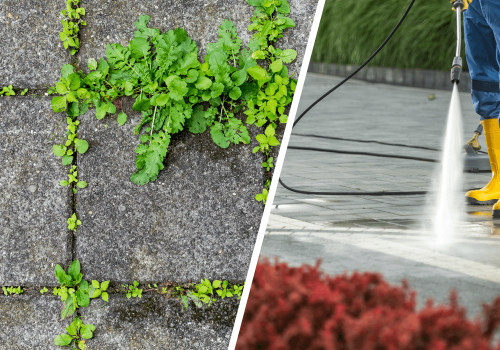
Another hidden effect of poor gutter performance is standing water around paver installations. When gutters overflow repeatedly, water may begin pooling near patios, pathways, or decorative outdoor spaces instead of draining away efficiently. Prolonged moisture exposure can weaken joint sand between pavers, encourage weed growth, and create slippery conditions on the surface. In colder climates, freeze-thaw cycles can make the situation even worse by expanding trapped moisture beneath the pavers and causing additional movement within the base layers. Companies such as A1 Roofing Services Mason City recognize that maintaining functional gutters and roof drainage systems helps reduce long-term moisture stress on paver installations and surrounding hardscape features.
Landscaping Changes May Reveal Existing Drainage Problems
Homeowners often discover gutter overflow issues during landscaping or paver renovation projects because excavation and grading work expose hidden moisture patterns around the property. Contractors may notice soft soil, washed-out edges, or water accumulation near hardscape areas that suggest roof runoff is not being controlled properly. In some cases, the pavers themselves may already show signs of movement caused by years of unnoticed drainage problems. Addressing gutter issues before installing new pavers or redesigning outdoor spaces helps create a more stable foundation and reduces the risk of future repairs.
Preventive Drainage Maintenance Supports Long-Term Stability
Proper roof drainage maintenance is one of the most effective ways to protect paver installations from premature deterioration. Cleaning gutters regularly, repairing damaged downspouts, and ensuring runoff is directed safely away from hardscape areas all contribute to better soil stability and improved water management. Downspout extensions, drainage channels, and proper grading can also help reduce erosion risks around patios and walkways. By understanding the relationship between roofing drainage and paver performance, homeowners can better protect their outdoor investments while creating more durable and stable hardscape surfaces that withstand changing weather conditions over time.