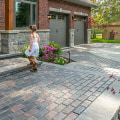
Patio and walkway improvements can enhance the appearance, functionality, and accessibility of an outdoor space, but these projects should not be planned without considering the condition of the home’s foundation. If the foundation has settled, shifted, or required previous repairs, surrounding concrete, pavers, or stone surfaces may also have moved. Cracks, uneven sections, and drainage problems around patios and walkways can sometimes be connected to the same soil conditions affecting the structure. Evaluating these issues before beginning hardscape improvements can help homeowners avoid installing new materials over unstable areas.
Address Foundation Problems Before Final Installation
When foundation movement is active, it may be better to complete structural repairs before investing in finished patio or walkway surfaces. Foundation work can involve excavation, pier installation, soil disturbance, or access around the perimeter of the home. Installing new concrete or pavers too early could block access or result in recently completed sections being removed later. Professionals such as Bats Foundation Repair can help determine whether structural work should be completed before outdoor improvements move forward.
Consider Changes in Surface Elevation
Foundation repair may involve stabilizing or adjusting sections of a home, which can slightly affect the relationship between the building and nearby hardscape surfaces. A patio that previously aligned with a doorway may sit at a different elevation after structural work, while walkways may need adjustments where they meet steps or entrances. Contractors should take final measurements after major foundation work whenever possible so new surfaces can be designed around the stabilized structure.
Improve Drainage Around the Property
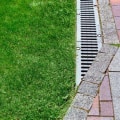
Patios and walkways influence how rainwater moves around a home. Poorly sloped surfaces can direct water toward the foundation, increasing moisture in the surrounding soil. If excess moisture contributed to earlier foundation movement, rebuilding outdoor surfaces provides an opportunity to improve drainage. Contractors can establish proper slopes, add drainage channels, or modify grading so runoff moves away from the structure instead of collecting near exterior walls.
Repair Unstable Soil Before Hardscaping
Soil disturbed during foundation repair may require additional preparation before new patios or walkways are installed. Loose or poorly compacted soil can settle over time, potentially causing concrete to crack or pavers to become uneven. Contractors may need to compact the area properly and install a suitable base before placing finished materials. Taking the time to prepare the ground can improve the durability and appearance of the completed hardscape.
Protect Existing Foundation Repair Components
Previous foundation work may include piers, drainage systems, or other features located beneath or near outdoor surfaces. Patio and walkway contractors should understand where these components are located before excavation begins. Digging too close to repaired areas or covering important drainage access points can create unnecessary complications. Coordination between contractors can help preserve earlier structural work while allowing the outdoor project to proceed efficiently.
Create Safe Transitions and Walking Surfaces
Foundation-related movement can create uneven transitions between walkways, patios, steps, and building entrances. These changes may become tripping hazards or make doors and thresholds harder to access. Once structural conditions are stabilized, hardscape contractors can correct elevations and create smoother transitions. This is especially important around frequently used entrances and outdoor living areas.
Coordinate Improvements for Better Long-Term Results
Foundation repair can influence nearly every stage of patio and walkway improvement, from demolition and grading to drainage and final elevations. By completing structural work first, preparing disturbed soil carefully, and designing new surfaces to direct water away from the home, property owners can reduce the risk of repeated cracking or settlement. Coordinating foundation and hardscape projects creates a stronger starting point for outdoor improvements that remain functional, attractive, and better suited to the long-term condition of the property.